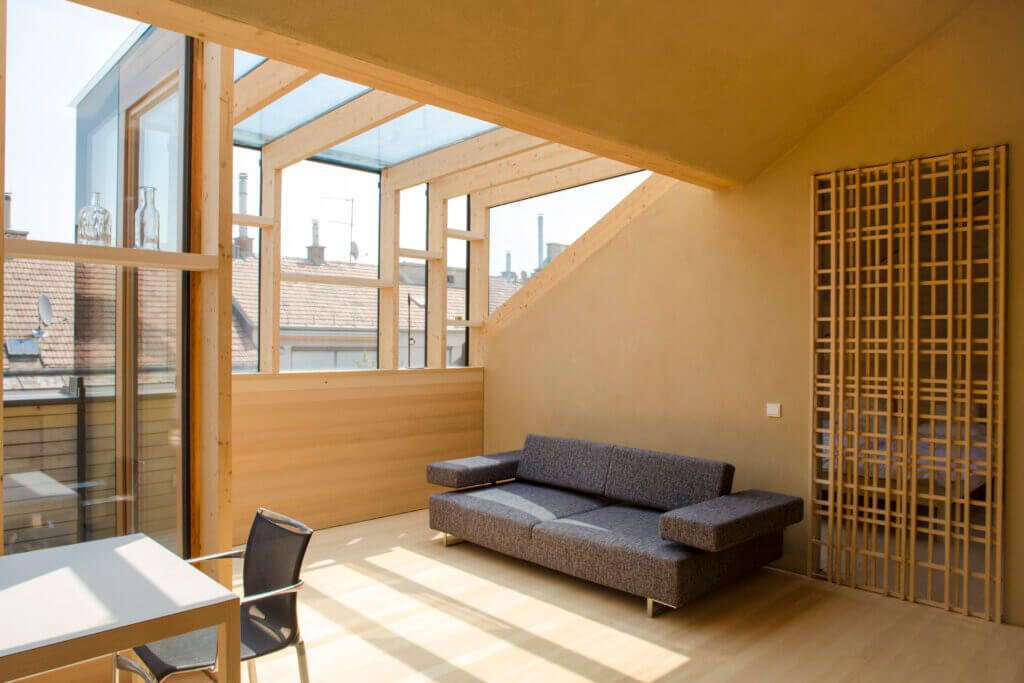
Reducing energy consumption in homes and commercial spaces is a priority for many property owners today. The choice of energy efficient building materials plays a crucial role in minimizing heating, cooling, and lighting costs. By selecting the right products, you can not only lower your monthly utility bills but also enhance comfort and contribute to a more sustainable environment.
Modern construction offers a wide range of solutions, from advanced insulation to innovative roofing and eco-friendly flooring. These materials are designed to reduce energy loss, improve indoor air quality, and often come with the added benefit of being environmentally responsible. Whether you are planning a new build or renovating an existing property, understanding your options is the first step toward a more efficient and cost-effective space.
For those interested in sustainable standards, exploring the BREEAM sustainable materials standards can provide further guidance on globally recognized best practices.
Why Prioritize Sustainable Construction Solutions?
Choosing materials that support energy conservation is not just about saving money—it’s also about reducing your carbon footprint and creating healthier indoor environments. Sustainable construction materials often have lower embodied energy, meaning less energy was used in their production, transport, and installation. This translates into a smaller environmental impact over the life of the building.
Additionally, many eco-friendly products are designed to last longer and require less maintenance, which further reduces costs over time. According to eco-friendly construction experts, integrating these materials can also increase property value and appeal to environmentally conscious buyers.
Types of Energy Saving Materials for Modern Buildings
There is a growing array of options available for those seeking to optimize their building’s energy performance. Here are some of the most effective categories:
- High-performance insulation (fiberglass, cellulose, spray foam)
- Low-emissivity (Low-E) windows and glazing
- Cool roofing materials and reflective coatings
- Thermal mass products (concrete, brick, rammed earth)
- Eco-friendly flooring (bamboo, cork, reclaimed wood)
- Recycled and renewable content products
Let’s look more closely at some of these categories and how they can help you achieve a more efficient building envelope.
Insulation: The Foundation of Energy Conservation
Proper insulation is one of the most cost-effective ways to reduce energy loss. Materials like fiberglass rolls, cellulose, and spray foam trap air and slow down the transfer of heat, keeping interiors warmer in winter and cooler in summer. Upgrading insulation in attics, walls, and floors can lead to significant savings on heating and cooling bills.
When selecting insulation, consider the R-value, which measures thermal resistance. The higher the R-value, the better the material insulates. Fiberglass insulation is popular for its affordability and effectiveness, while cellulose offers a greener alternative made from recycled paper.
Eco-Friendly Flooring Options
Flooring can also impact a building’s energy efficiency. Bamboo is a standout choice due to its rapid renewability and natural insulating properties. Cork is another excellent option, providing both comfort underfoot and resistance to heat loss. Reclaimed wood floors not only reuse existing resources but also add character and warmth to interiors.
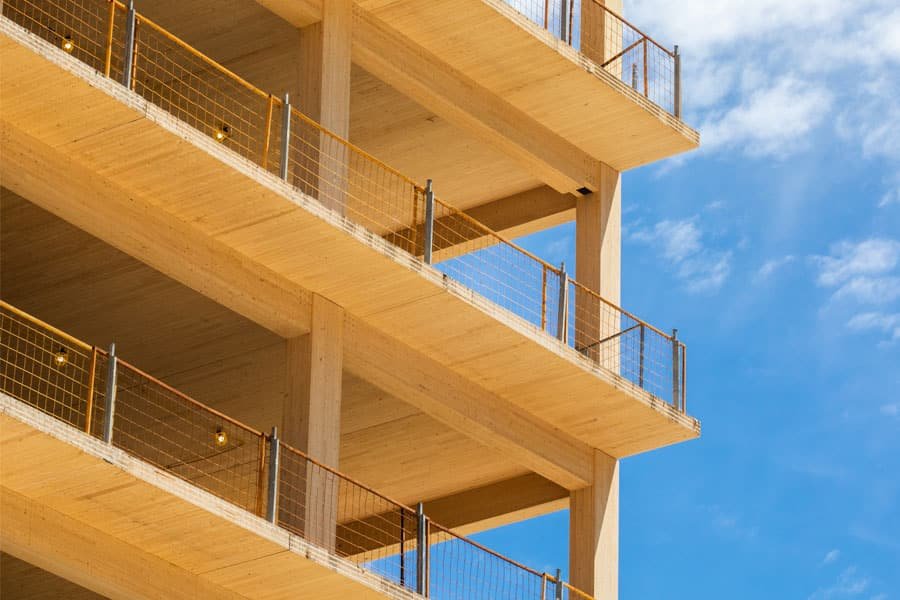
For those seeking to meet green building standards, the LEED certified materials list is a valuable resource for identifying products that contribute to energy savings and sustainability credits.
Windows and Glazing: Minimizing Heat Transfer
Windows are often a major source of energy loss, especially in older buildings. Modern window technologies, such as Low-E coatings and double or triple glazing, help reflect infrared light and reduce unwanted heat gain or loss. This means less reliance on heating and cooling systems, leading to lower utility costs.
Proper installation is just as important as the window itself. Ensure all gaps are sealed and consider window treatments like insulated blinds or curtains for additional efficiency.
Roofing and Exterior Walls: Keeping the Elements Out
The roof and exterior walls form the primary barrier between your indoor space and the weather outside. Cool roofing materials, such as reflective shingles or tiles, can significantly reduce heat absorption and keep interiors cooler during hot months. Green roofs, which use vegetation to insulate and absorb heat, are gaining popularity in urban settings.
For a durable and sustainable option, consider recycled rubber roofing materials. These products offer excellent weather resistance and help divert waste from landfills.
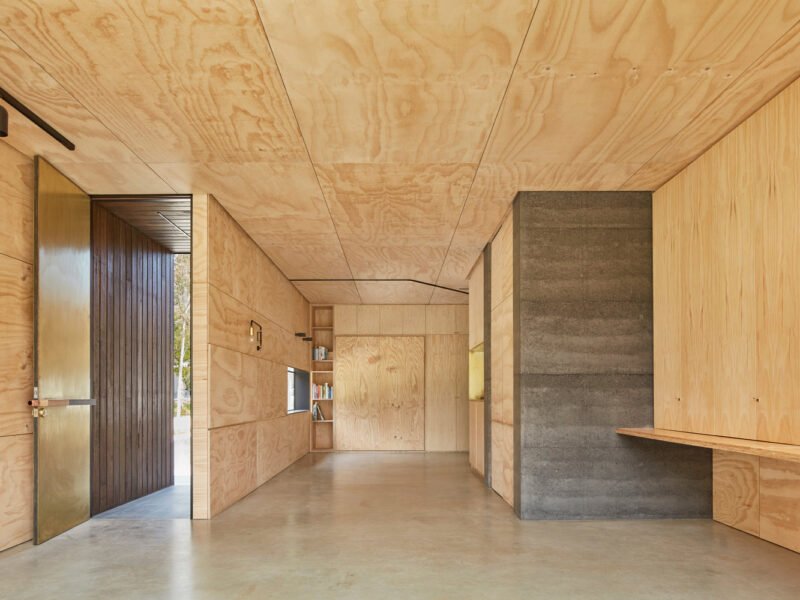
Walls built with insulated concrete forms (ICFs), structural insulated panels (SIPs), or advanced framing techniques can further reduce energy loss. These systems create a tighter building envelope, minimizing air leaks and improving overall performance.
Renewable and Recycled Content Products
Many manufacturers now offer building materials made from recycled or rapidly renewable resources. Examples include recycled steel, glass, and plastic composites, as well as products like straw bale or hempcrete. These materials not only reduce the demand for virgin resources but often provide excellent thermal properties.
Solar-integrated roofing, such as photovoltaic tiles, is another innovative way to generate energy and offset utility costs. For more on this topic, see the article on solar roof tiles benefits for homeowners.
Certifications and Standards for Eco-Friendly Construction
When selecting products, look for certifications that verify their environmental and energy-saving performance. Common standards include ENERGY STAR, LEED, and BREEAM. These certifications ensure that materials meet strict criteria for efficiency, emissions, and responsible sourcing.
For a comprehensive overview of products that help achieve green building credits, visit the green building certification materials guide.
Key Considerations When Choosing Efficient Materials
- Climate suitability: Select materials that perform best in your region’s weather conditions.
- Durability: Longer-lasting products reduce replacement costs and waste.
- Installation quality: Even the best materials require proper installation to deliver full benefits.
- Health impacts: Opt for low-VOC and non-toxic products to improve indoor air quality.
- Lifecycle cost: Consider not just the upfront price, but also maintenance and replacement over time.
By carefully evaluating these factors, you can make informed decisions that maximize both energy savings and long-term value.
Frequently Asked Questions
What are the most effective energy saving materials for homes?
Some of the most effective options include high-R-value insulation (such as fiberglass or spray foam), Low-E windows, cool roofing, and eco-friendly flooring like bamboo or cork. Combining these materials creates a well-insulated, efficient building envelope that significantly reduces utility bills.
How do I know if a building product is truly eco-friendly?
Look for third-party certifications such as ENERGY STAR, LEED, or BREEAM. These standards verify that products meet strict criteria for energy efficiency, emissions, and responsible sourcing. Reading product labels and manufacturer documentation can also help you assess environmental impact.
Can I retrofit existing buildings with efficient materials?
Yes, many solutions are suitable for retrofits. Upgrading insulation, replacing windows, and adding reflective roofing or solar panels are all effective ways to improve an older building’s performance. Consult with a professional to determine the best approach for your property.