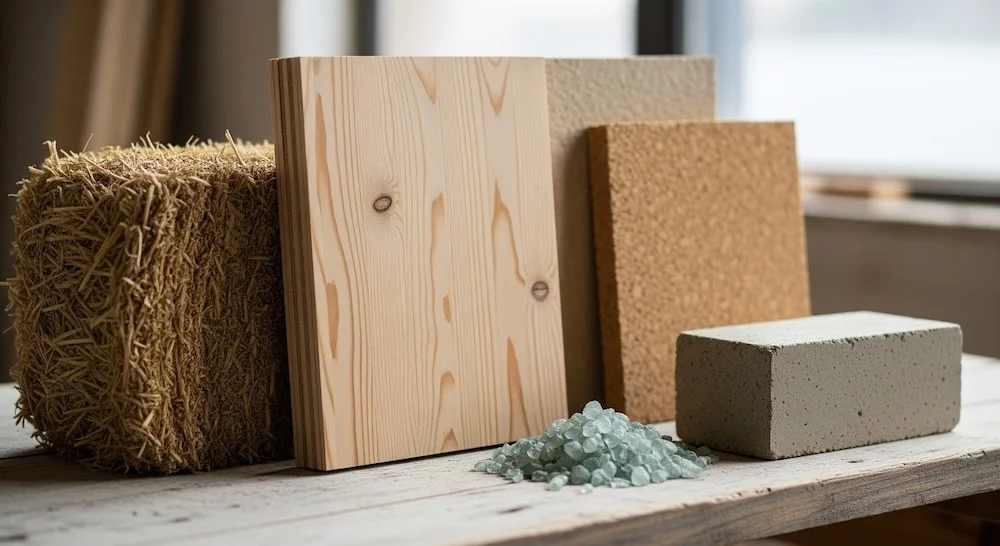
The construction industry is a significant contributor to global waste, accounting for a large portion of landfill material and resource consumption. As environmental concerns grow, the demand for reduced waste building techniques has never been more urgent. These strategies not only minimize the environmental impact of construction projects but also improve efficiency, cut costs, and support long-term sustainability. By adopting smarter methods and materials, builders and developers can play a crucial role in shaping a greener future.
This article explores practical methods for minimizing waste on building sites, highlights innovative materials, and provides actionable guidance for professionals and homeowners alike. For those interested in broader approaches to eco-conscious construction, consider exploring eco friendly urban construction materials for greener cities.
Understanding the Impact of Construction Waste
Construction and demolition activities generate millions of tons of waste each year. This includes materials like concrete, wood, metal, drywall, and packaging. Much of this waste ends up in landfills, where it can take decades or even centuries to decompose. The environmental consequences are significant—wasted resources, increased greenhouse gas emissions, and pollution of soil and water sources.
Implementing reduced waste building techniques is essential for sustainable management. By rethinking traditional practices and embracing innovative solutions, the industry can dramatically cut down on waste generation and resource depletion.
Key Principles of Reduced Waste Construction
Minimizing waste in construction involves more than just recycling. It requires a holistic approach that starts at the design phase and continues through to project completion. The following principles are central to effective waste reduction:
- Design for minimal waste: Architects and engineers can plan buildings to use standard material sizes, reducing offcuts and leftovers.
- Material selection: Choosing durable, recyclable, or renewable materials helps reduce waste both during construction and at end-of-life.
- Efficient procurement: Ordering the right quantities and using just-in-time delivery minimizes excess materials on site.
- On-site sorting and recycling: Separating waste streams enables more materials to be reused or recycled.
- Prefabrication and modular construction: Building components off-site in controlled environments leads to less waste and higher quality.
Innovative Materials and Methods for Waste Reduction
The choice of building materials has a profound effect on sustainability. Many modern products are designed with waste minimization in mind, offering both environmental and performance benefits.
Examples of Sustainable Materials
- Bamboo flooring: Fast-growing and renewable, bamboo is a popular alternative to traditional hardwoods. Its strength and versatility make it suitable for a range of applications.
- Recycled steel: Using steel made from recycled content reduces the need for virgin materials and cuts energy use.
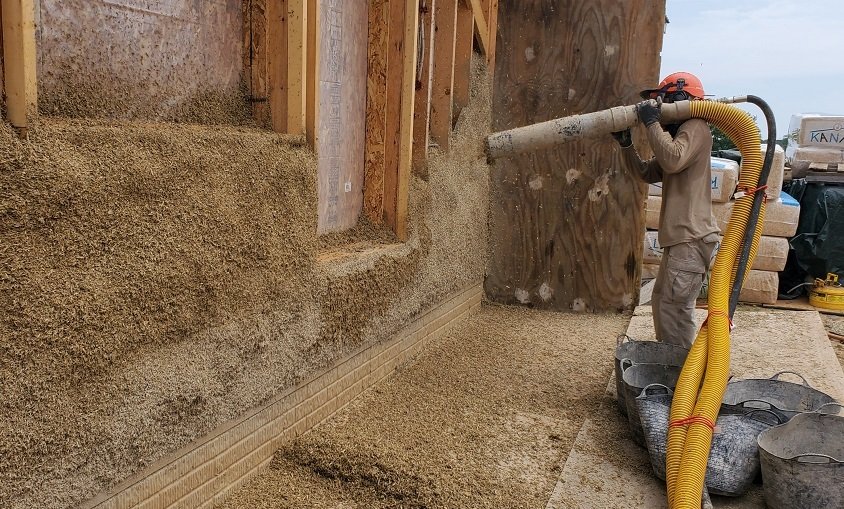
- Hempcrete: Made from hemp fibers and lime, this lightweight material offers excellent insulation and is biodegradable.
- Low-VOC paints and adhesives: These products minimize air pollution and improve indoor air quality.
- Prefabricated panels: Manufactured off-site, these panels reduce on-site waste and speed up construction times.
For a deeper dive into material choices, see this resource on sustainable building materials and their benefits.
Prefabrication and Modular Construction: Cutting Waste at the Source
One of the most effective strategies for minimizing construction waste is the use of prefabricated and modular systems. By manufacturing building components in a factory setting, it’s possible to optimize material use, improve quality control, and reduce errors that lead to waste.
Modular construction also allows for easier disassembly and reuse of components at the end of a building’s life, supporting a circular economy in the built environment.
Best Practices for On-Site Waste Management
Even with the best planning, some waste is inevitable on any construction site. However, there are proven strategies to manage and reduce this waste effectively:
- Segregate materials: Set up clearly labeled bins for wood, metal, concrete, and other materials to facilitate recycling and reuse.
- Train workers: Educate site staff on the importance of waste reduction and proper sorting procedures.
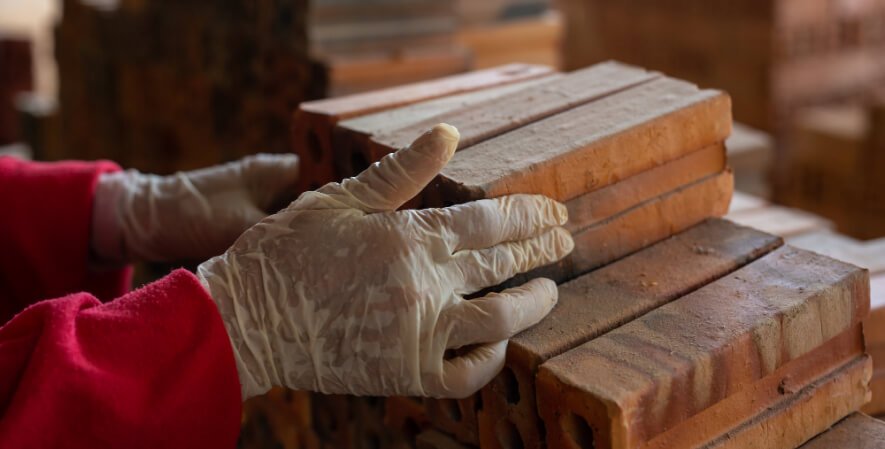
- Reuse on site: Salvage materials like bricks, tiles, or timber for use in landscaping or other projects.
- Partner with recyclers: Work with local recycling facilities to ensure as much material as possible is diverted from landfill.
For more information on healthy and sustainable product choices, see the guide to formaldehyde free building products for better air quality.
Integrating Reduced Waste Approaches into Project Planning
Successful waste minimization starts long before construction begins. Early collaboration between architects, engineers, contractors, and suppliers ensures that sustainability is embedded in every stage of the project. Key steps include:
- Set clear goals: Define waste reduction targets and track progress throughout the build.
- Choose experienced partners: Work with suppliers and contractors who prioritize sustainability and have a track record of minimizing waste.
- Document lessons learned: After project completion, review what worked and share insights to improve future builds.
Advantages of Waste-Minimizing Building Methods
Adopting reduced waste building techniques offers a range of benefits beyond environmental protection:
- Cost savings: Less waste means lower disposal fees and more efficient use of materials.
- Improved reputation: Sustainable practices can enhance a company’s brand and attract eco-conscious clients.
- Regulatory compliance: Many regions now require waste management plans for new developments.
- Healthier environments: Using non-toxic, low-emission materials improves indoor air quality for occupants.
To further reduce environmental impact, consider using water based construction materials for a cleaner build process.
Challenges and How to Overcome Them
While the benefits are clear, implementing waste reduction strategies can present challenges. Common obstacles include lack of awareness, higher upfront costs for sustainable materials, and limited recycling infrastructure in some areas. Overcoming these barriers requires education, investment in new technologies, and collaboration across the supply chain.
Government incentives, green building certifications, and growing consumer demand are helping to drive change. By staying informed and committed to continuous improvement, the construction sector can lead the way in sustainable development.
Frequently Asked Questions
What are the most effective ways to reduce waste on a construction site?
The most effective methods include careful planning, using prefabricated components, selecting recyclable and renewable materials, and setting up on-site recycling systems. Training workers and collaborating with experienced partners also play a key role.
How do reduced waste techniques impact project costs?
While some sustainable materials may have higher upfront costs, overall project expenses are often reduced through lower waste disposal fees, efficient material use, and improved productivity. Long-term savings and regulatory compliance add further value.
Can these techniques be used in both residential and commercial projects?
Yes, waste reduction strategies are applicable to all types of construction, from single-family homes to large commercial developments. The principles of smart design, material selection, and efficient site management can be tailored to any scale.
Conclusion
Adopting reduced waste building techniques is essential for a sustainable future in construction. By rethinking traditional approaches, choosing innovative materials, and integrating best practices throughout the project lifecycle, builders can minimize environmental impact while delivering high-quality results. As the industry continues to evolve, these strategies will become standard practice, benefiting both the planet and the bottom line.
For further reading on natural surface protection, see the article on eco friendly coatings construction and discover how to bond materials without toxins with eco friendly adhesives construction.