As the world faces growing environmental challenges, the construction industry is undergoing a transformation. Sustainable architecture materials are at the forefront of this change, offering innovative solutions for eco-conscious building design. These materials not only minimize environmental impact but also enhance energy efficiency, occupant health, and long-term durability. Whether you are an architect, builder, or homeowner, understanding the options available is essential for making responsible choices that shape a greener future.
Modern green building practices go far beyond simply reducing energy use. They consider the entire lifecycle of materials—from sourcing and manufacturing to installation and eventual disposal or reuse. By prioritizing renewable, recycled, and low-impact resources, designers can create structures that are both beautiful and environmentally responsible. For those interested in healthy finishes, exploring natural paints for construction is another step toward a holistic sustainable approach.
Why Choose Eco-Friendly Building Materials?
Traditional construction often relies on resource-intensive products that contribute to pollution, deforestation, and greenhouse gas emissions. In contrast, sustainable architecture materials are selected for their minimal environmental footprint and positive impact on occupant well-being. Here are some key benefits:
- Reduced Carbon Emissions: Many green materials require less energy to produce and transport, lowering the overall carbon footprint of a project.
- Resource Conservation: Using renewable or recycled resources helps preserve natural ecosystems and reduces waste.
- Improved Indoor Air Quality: Low-emission materials, such as formaldehyde free building products, contribute to healthier living and working environments.
- Energy Efficiency: High-performance insulation and smart design choices can significantly cut heating and cooling costs.
- Durability and Longevity: Many eco-friendly options are designed to last, reducing the need for frequent replacements.
By integrating these materials into building projects, designers and homeowners can help address climate change while creating comfortable, efficient spaces.
Popular Sustainable Materials for Modern Architecture
There is a wide range of environmentally responsible products available for every aspect of construction. Below are some of the most widely used and innovative choices:
Bamboo: A Rapidly Renewable Resource
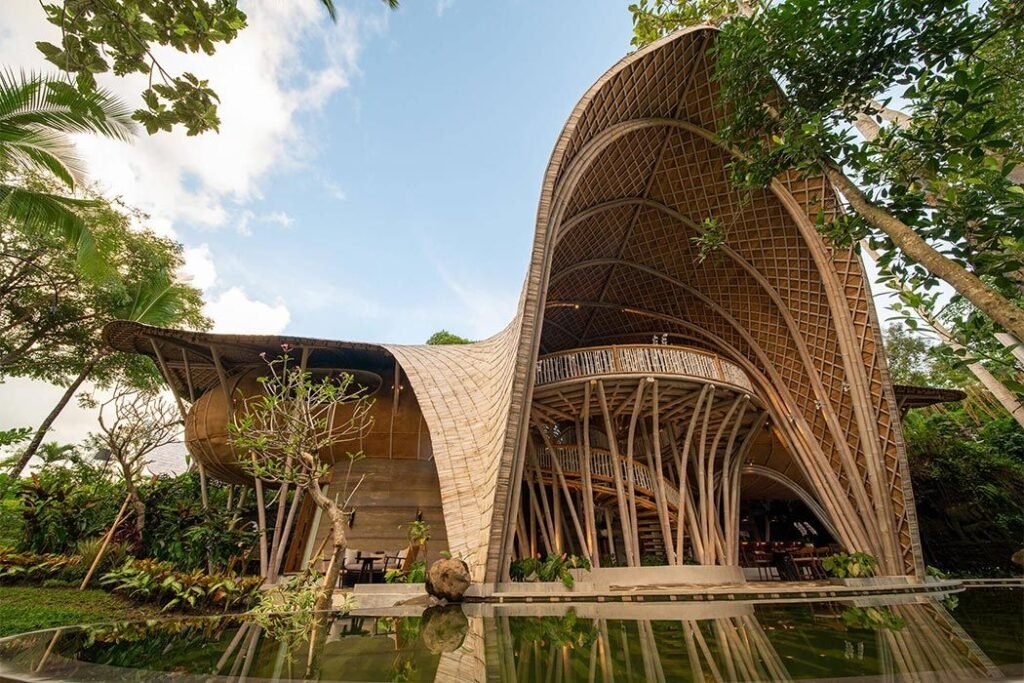
Bamboo is a standout among sustainable architecture materials due to its rapid growth and versatility. It matures much faster than traditional hardwoods, making it an excellent choice for flooring, cabinetry, and even structural elements. Bamboo is strong, lightweight, and naturally resistant to pests, reducing the need for chemical treatments.
Recycled and Reclaimed Products
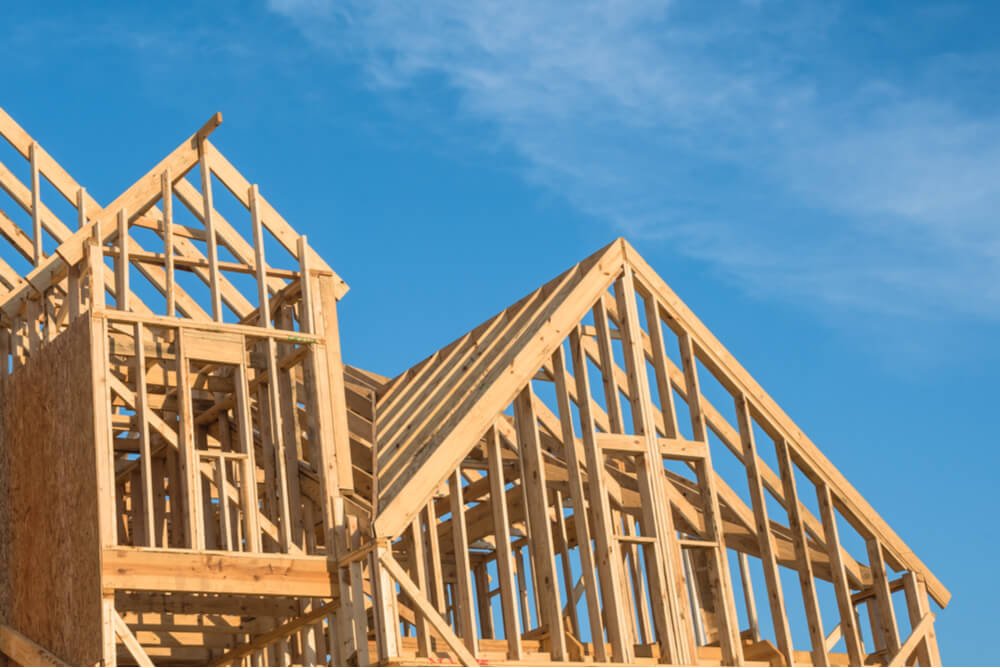
Incorporating recycled steel, reclaimed wood, and repurposed bricks helps divert waste from landfills and reduces the demand for new raw materials. These options add character and history to a building while supporting a circular economy. Recycled glass countertops and tiles are also gaining popularity for their unique aesthetics and eco-friendly credentials.
Hempcrete and Plant-Based Alternatives
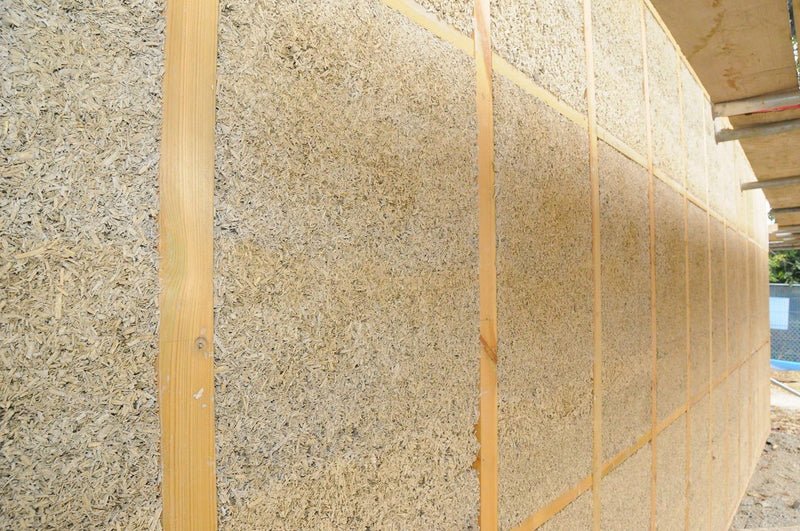
Hempcrete, a bio-composite made from the inner fibers of the hemp plant mixed with lime, is gaining traction as a sustainable alternative to concrete. It is lightweight, highly insulating, and absorbs carbon dioxide over its lifecycle. Plant-based insulation materials, such as cork and cellulose, offer excellent thermal performance and are biodegradable at the end of their use.
Low-Impact Insulation and Coatings
Insulation is a key factor in reducing a building’s energy consumption. Eco-friendly options like sheep’s wool, recycled denim, and fiberglass made from recycled glass are effective and safe. For surface protection, eco friendly coatings construction can help shield materials naturally without introducing toxins into the indoor environment.
Innovative Green Roofing and Facade Solutions
Green roofs, living walls, and reflective surfaces help regulate building temperatures and support biodiversity. These features can be combined with solar panels or rainwater harvesting systems to further enhance sustainability. The integration of such systems demonstrates how sustainable architecture materials can work together for maximum environmental benefit.
How to Select the Right Materials for Your Project
Choosing the best options for your build involves balancing performance, aesthetics, cost, and environmental impact. Here are some practical steps:
- Assess Local Availability: Sourcing materials locally reduces transportation emissions and supports regional economies.
- Check Certifications: Look for third-party labels such as FSC (Forest Stewardship Council) for wood, Cradle to Cradle, or GREENGUARD for low-emission products.
- Consider Lifecycle Impact: Evaluate not just the production, but also the installation, maintenance, and end-of-life options for each material.
- Prioritize Health: Opt for products that minimize off-gassing and avoid hazardous chemicals. For example, low VOC paints benefits both indoor air quality and the environment.
- Balance Cost and Longevity: While some green materials may have higher upfront costs, their durability and energy savings often lead to lower lifetime expenses.
Consulting with architects or sustainability experts can help identify the most appropriate choices for your specific climate and project goals.
Emerging Trends in Green Building Materials
The field of eco-friendly construction is rapidly evolving. Some of the latest trends include:
- Bioplastics and Mycelium: Plant-based plastics and fungal composites are being developed as alternatives to petroleum-based products.
- Smart Glass: Windows that adjust their tint based on sunlight, improving energy efficiency and comfort.
- Modular and Prefabricated Systems: Off-site construction reduces waste and allows for more precise use of materials.
- Carbon-Negative Concrete: New formulations absorb more CO2 than they emit during production.
For a deeper dive into the latest options, resources like this comprehensive guide to sustainable building materials provide valuable insights and case studies.
Frequently Asked Questions
What are the most cost-effective sustainable materials for home construction?
Some of the most affordable options include recycled steel, reclaimed wood, and bamboo. These materials are widely available and offer excellent durability. Additionally, recycled insulation products and low-VOC paints provide cost-effective ways to improve a building’s sustainability profile without breaking the budget.
How do sustainable materials impact indoor air quality?
Many eco-friendly products are designed to emit fewer volatile organic compounds (VOCs) and avoid harmful chemicals. Using materials like formaldehyde-free wood, natural paints, and plant-based insulation can significantly improve the air quality inside homes and offices, benefiting occupant health.
Can green building materials be used in renovations as well as new construction?
Absolutely. Many sustainable options, such as reclaimed wood, recycled tiles, and eco-friendly coatings, are ideal for retrofitting existing buildings. They can help update the look and performance of older structures while reducing environmental impact.
Conclusion
Embracing sustainable architecture materials is a crucial step toward responsible building practices. By making informed choices, architects, builders, and homeowners can create spaces that are efficient, healthy, and resilient. The future of construction lies in materials and methods that respect both people and the planet. As technology and awareness continue to advance, the possibilities for sustainable design will only expand, offering new ways to build a better world.