As cities expand and transportation needs grow, the demand for sustainable infrastructure is more urgent than ever. Eco friendly bridge construction materials are at the forefront of this movement, offering ways to reduce environmental impact while maintaining strength, durability, and safety. From renewable resources to recycled composites, these materials are transforming how bridges are designed and built for the future of transit.
In this article, we’ll explore the most promising green alternatives for bridge building, their benefits, and how they fit into the broader context of sustainable construction. For those interested in broader urban applications, you can also learn about eco friendly urban construction materials for greener cities.
Why Sustainable Materials Matter in Bridge Construction
Traditional bridge building relies heavily on concrete and steel, both of which have significant environmental footprints. Cement production, for example, is responsible for about 8% of global CO2 emissions. Mining and processing steel also consume vast amounts of energy and natural resources. By shifting toward eco friendly bridge construction materials, engineers and planners can:
- Reduce greenhouse gas emissions
- Lower resource consumption
- Minimize waste and pollution
- Promote healthier ecosystems
Adopting these materials is not just about environmental stewardship—it can also lead to longer-lasting structures, lower maintenance costs, and improved public perception of infrastructure projects.
Key Types of Eco-Conscious Bridge Materials
Several innovative materials are now being used to make bridges more sustainable. Here are some of the most impactful options:
Bamboo and Engineered Timber
Bamboo is a rapidly renewable resource with impressive strength-to-weight ratios, making it an attractive choice for pedestrian bridges and smaller spans. Engineered timber products like cross-laminated timber (CLT) and glue-laminated timber (glulam) are also gaining traction for their structural capabilities and carbon sequestration properties.
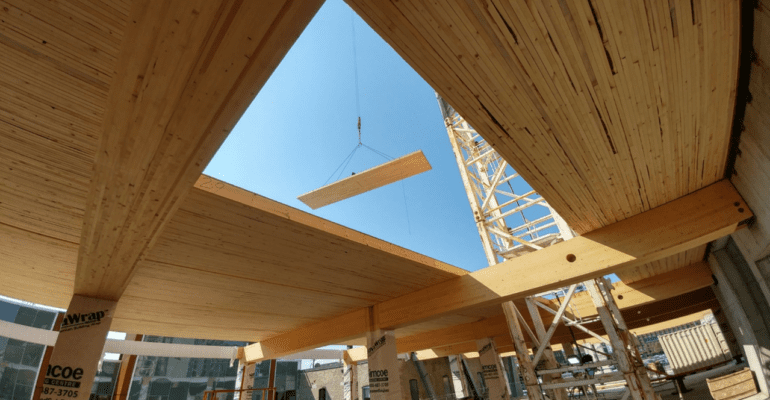
Timber bridges are not only visually appealing but also store carbon throughout their lifespan. Modern treatments and design methods have significantly improved their resistance to weather, pests, and fire. For more on sustainable building products, see this overview of sustainable building materials for 2025.
Recycled Steel and Concrete Alternatives
Recycled steel, made from scrap metal, reduces the need for virgin ore and cuts down on energy use. Similarly, concrete alternatives such as geopolymer concrete, which uses industrial byproducts like fly ash or slag, offer lower carbon emissions compared to traditional Portland cement. These materials maintain the strength and durability required for modern transit infrastructure while lessening their environmental impact.
Some bridge projects also incorporate recycled aggregates, such as crushed glass or reclaimed asphalt, further reducing waste and supporting circular economy principles.
Composite Materials and Fiber Reinforced Polymers (FRP)
Composites such as fiber reinforced polymers are increasingly used in bridge decks and structural elements. These materials are lightweight, corrosion-resistant, and require less maintenance than conventional options. FRPs can be made from recycled plastics and glass fibers, making them a strong candidate for sustainable bridge construction.
In addition to their environmental benefits, composites often extend the service life of bridges, reducing the need for frequent repairs and replacements.
Innovative Approaches to Sustainable Bridge Design
Beyond material selection, the design and construction process itself plays a crucial role in sustainability. Techniques such as modular construction, prefabrication, and adaptive reuse are helping to further reduce the environmental impact of bridge projects.
- Modular construction allows for components to be built off-site and assembled quickly, minimizing site disturbance and waste.
- Prefabrication reduces material waste and improves quality control.
- Adaptive reuse of existing structures or foundations can extend the lifespan of bridges and conserve resources.
For more on minimizing waste in construction, see our guide to reduced waste building techniques.
Benefits of Using Green Materials in Modern Transit Bridges
Choosing eco friendly bridge construction materials brings a range of advantages for both the environment and the communities that rely on these structures. Some of the most notable benefits include:
- Lower carbon footprint: Materials like bamboo, recycled steel, and FRPs help reduce greenhouse gas emissions.
- Resource efficiency: Using renewable or recycled materials conserves natural resources and reduces landfill waste.
- Improved durability: Many sustainable materials are resistant to corrosion, pests, and weathering, leading to longer service life.
- Healthier environments: Reduced emissions and pollution contribute to cleaner air and water around bridge sites.
- Cost savings: Lower maintenance and longer lifespans can result in significant savings over the life of a bridge.
These benefits align with broader trends in sustainable architecture materials and green infrastructure development worldwide.
Challenges and Considerations in Adopting Sustainable Bridge Materials
While the advantages are clear, there are also challenges to widespread adoption of green bridge materials. Some of these include:
- Initial cost: Some sustainable materials may have higher upfront costs, though these are often offset by lower maintenance and longer lifespan.
- Regulatory barriers: Building codes and standards may not always accommodate new materials or methods.
- Performance data: Long-term durability and behavior under various conditions are still being studied for some innovative materials.
- Supply chain limitations: Availability of certain materials can vary by region.
Despite these challenges, ongoing research and successful pilot projects are paving the way for broader use of eco-conscious solutions in bridge construction. For those interested in natural surface protection, see our article on eco friendly coatings construction.
Looking Ahead: The Future of Green Bridge Building
The future of bridge construction is increasingly intertwined with sustainability goals. As technology advances and more data becomes available, the use of eco friendly bridge construction materials will likely become standard practice for new transit projects. Collaboration between engineers, architects, material scientists, and policymakers will be essential to accelerate this transition.
Emerging trends such as smart materials, self-healing concrete, and bio-based composites are already showing promise for the next generation of sustainable bridges. These innovations not only reduce environmental impact but also improve safety, resilience, and adaptability to changing transportation needs.
For those interested in water-based alternatives, our resource on water based construction materials offers additional insights into cleaner building options.
Frequently Asked Questions
What are the most common eco-friendly materials used in bridge construction?
The most widely used sustainable options include engineered timber (such as CLT and glulam), bamboo, recycled steel, geopolymer concrete, and fiber reinforced polymers made from recycled plastics. Each material offers unique benefits in terms of strength, durability, and environmental impact.
Are green bridge materials as durable as traditional options?
Many eco-friendly materials are designed to match or exceed the performance of conventional materials. For example, engineered timber and FRPs are highly durable and resistant to corrosion, pests, and weathering. Proper design and maintenance are key to maximizing their lifespan.
How can cities encourage the use of sustainable bridge materials?
Municipalities can update building codes, provide incentives for green construction, and support pilot projects that showcase the benefits of eco-friendly materials. Public education and collaboration with industry stakeholders also play important roles in promoting sustainable infrastructure.