
Urban development and climate change have made effective stormwater management a growing concern for cities and communities. Traditional paving solutions, such as concrete and asphalt, often contribute to runoff, flooding, and water pollution. In contrast, permeable paving materials offer a practical and sustainable alternative that helps address these challenges. By allowing water to pass through surfaces and infiltrate the ground, these innovative materials play a crucial role in reducing runoff, improving water quality, and supporting resilient infrastructure.
This article explores the advantages of permeable paving, the types of materials available, and how they contribute to better stormwater care. We’ll also connect these solutions to broader sustainable building practices, referencing resources like eco friendly bridge construction materials and other green construction techniques.
Understanding How Permeable Paving Supports Stormwater Management
One of the most significant permeable paving materials benefits is their ability to manage stormwater at the source. Unlike conventional pavements that create impervious surfaces, permeable options allow rainwater to filter through the pavement and into the underlying soil. This process helps reduce surface runoff, which is a leading cause of urban flooding and waterway pollution.
By mimicking natural hydrological cycles, permeable pavements help recharge groundwater supplies and minimize the burden on municipal drainage systems. This is especially important in densely built environments where green space is limited and traditional drainage infrastructure can be overwhelmed during heavy rainfall.
Types of Permeable Paving Materials and Their Advantages
There are several types of permeable paving systems, each offering unique features and suitability for different applications. Here are some of the most common options:
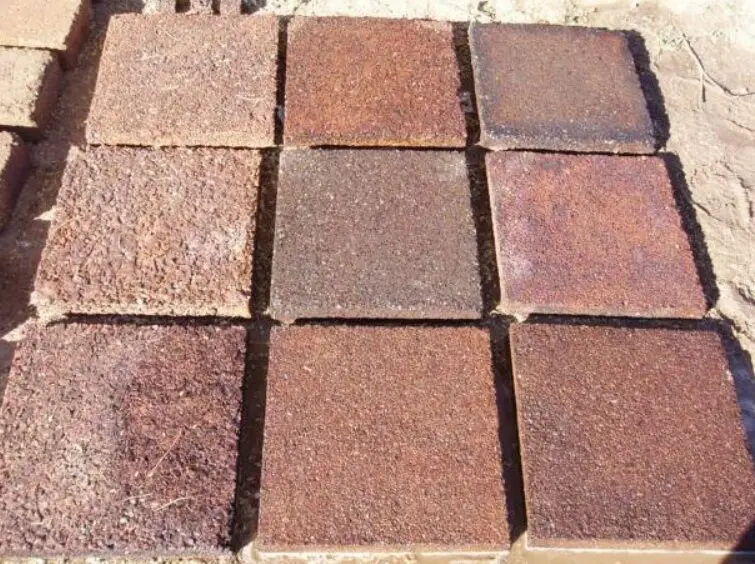
- Permeable Interlocking Concrete Pavers (PICP): These modular blocks are designed with gaps or joints filled with aggregate, allowing water to flow between them. They are durable, easy to maintain, and suitable for driveways, walkways, and parking lots.
- Porous Asphalt: This material uses a special mix that leaves interconnected voids, enabling water to pass through the surface. Porous asphalt is often used for roads, parking areas, and low-traffic zones.
- Permeable Concrete: Also known as pervious or no-fines concrete, this mix omits fine aggregates, creating a network of voids for water infiltration. It is ideal for sidewalks, patios, and light-traffic areas.
- Gravel and Stone Systems: Loose gravel or crushed stone, sometimes stabilized with grids, provides a highly permeable surface. These systems are cost-effective and suitable for paths, rural driveways, and overflow parking.
- Grass Pavers: These plastic or concrete grids are filled with soil and grass, combining green space with load-bearing capacity. They are commonly used for fire lanes, event spaces, and overflow parking.
Each of these materials contributes to stormwater management by increasing infiltration, reducing runoff, and filtering pollutants before they reach natural waterways.
Environmental and Economic Benefits of Permeable Pavements
The adoption of permeable paving systems brings a range of environmental and financial advantages. Here are some of the most notable:
- Flood Reduction: By allowing water to soak into the ground, permeable surfaces help prevent localized flooding and reduce the risk of sewer overflows.
- Improved Water Quality: As stormwater passes through the pavement and sub-base, pollutants such as oils, heavy metals, and sediments are filtered out, leading to cleaner groundwater and streams.
- Urban Heat Island Mitigation: Many permeable materials, especially those with light colors or vegetative cover, reflect more sunlight and retain less heat, helping to moderate urban temperatures.
- Groundwater Recharge: Increased infiltration supports aquifer replenishment, which is vital for water supply in many regions.
- Cost Savings: By reducing the need for extensive stormwater infrastructure, permeable pavements can lower construction and maintenance costs for municipalities and property owners.
These benefits align with broader sustainable construction practices, such as reduced waste building techniques and sustainable architecture materials, making permeable paving a key component of green infrastructure.
Comparing Permeable and Traditional Pavement Solutions
Traditional pavements, while durable and cost-effective in the short term, often create long-term challenges for stormwater management. Impervious surfaces channel rainwater into drains and sewers, which can quickly become overloaded during storms. This not only increases the risk of flooding but also transports pollutants directly into rivers and lakes.
Permeable paving systems, by contrast, slow down and filter runoff, supporting healthier urban ecosystems. They can be integrated with landscaping and other green infrastructure, such as rain gardens and bioswales, to create attractive and functional outdoor spaces.
For those interested in a broader range of eco-friendly construction options, resources like this comprehensive list of sustainable building materials provide valuable insights.
Design Considerations and Maintenance for Permeable Surfaces
To maximize the benefits of permeable paving materials, careful planning and maintenance are essential. Here are some key considerations:
- Site Assessment: Evaluate soil type, drainage patterns, and expected traffic loads to select the most appropriate permeable system.
- Installation: Proper installation is critical. This includes preparing a stable, well-draining sub-base and ensuring correct joint or void filling for optimal infiltration.
- Maintenance: Regular cleaning, such as vacuum sweeping or pressure washing, helps prevent clogging from debris and sediment. Occasional replenishment of joint materials or aggregates may be needed.
- Integration with Landscaping: Permeable pavements work best when combined with other green infrastructure elements, such as bioswales, rain gardens, or vegetated strips.
When implemented thoughtfully, permeable paving can provide decades of reliable performance with relatively low maintenance compared to traditional surfaces.
Broader Impacts: Sustainability and Community Benefits
Beyond stormwater management, permeable paving contributes to healthier urban environments and more sustainable communities. These systems support biodiversity by creating habitats for soil organisms and plants. They also improve pedestrian safety by reducing puddles and icy patches, and can enhance property values by adding aesthetic appeal.
Communities that invest in permeable infrastructure often see long-term savings on stormwater fees and reduced costs for flood damage repairs. These solutions can be integrated into public spaces, residential developments, and commercial projects, making them versatile tools for sustainable growth.
For more on how water-conscious construction materials can make a difference, explore water based construction materials and related innovations.
Frequently Asked Questions
What are the main advantages of using permeable paving over traditional surfaces?
Permeable paving reduces stormwater runoff, filters pollutants, helps recharge groundwater, and can lower the risk of flooding. It also supports urban cooling and can be integrated with landscaping for added environmental and aesthetic benefits.
How long do permeable pavements last compared to conventional options?
With proper installation and maintenance, permeable pavements can last as long as, or longer than, traditional surfaces. Regular upkeep, such as cleaning and occasional aggregate replacement, helps maintain their infiltration capacity and structural integrity.
Are permeable paving systems suitable for all climates and soil types?
While permeable pavements are versatile, their effectiveness depends on local conditions. They perform best in areas with well-draining soils and moderate rainfall. In regions with heavy clay soils or frequent freeze-thaw cycles, special design considerations may be needed to ensure durability and performance.
Conclusion
The shift toward permeable paving is a practical response to the challenges of urbanization and climate change. By choosing these innovative materials, communities can manage stormwater more effectively, protect water resources, and create more livable environments. As part of a broader commitment to sustainability, permeable pavements complement other green building practices and help pave the way for a healthier, more resilient future.