Concrete is the backbone of modern construction, but its production is responsible for a significant share of global carbon emissions. As awareness of environmental impacts grows, builders and architects are seeking low cement concrete alternatives that reduce carbon footprints without sacrificing performance. This article explores innovative materials and methods that support sustainable building practices, offering practical insights for those committed to eco-friendly construction.
From geopolymer mixes to natural fiber composites, the range of options for reducing cement content is expanding rapidly. These solutions not only help the environment but can also improve durability, insulation, and even cost-effectiveness. For a deeper dive into related innovations, see our guide to industrial waste building materials, which explores how byproducts like slag are being repurposed in construction.

Why Reduce Cement in Concrete?
Cement is the key ingredient in traditional concrete, but its production releases large amounts of CO2. For every ton of cement manufactured, nearly a ton of carbon dioxide is emitted. By finding low cement concrete alternatives, builders can significantly cut emissions and contribute to greener cities and infrastructure.
Reducing cement content also addresses resource depletion and energy consumption. Many alternatives use industrial byproducts or renewable materials, further minimizing environmental impact. For those interested in optimizing concrete mixes for sustainability, our article on sustainable concrete mix design offers practical strategies for reducing carbon in foundations.
Popular Low Cement Concrete Alternatives
Several innovative materials and techniques are gaining traction as substitutes for traditional cement-based concrete. Here are some of the most promising options for eco-conscious builders:
Geopolymer Concrete: A High-Performance Substitute
Geopolymer concrete replaces Portland cement with industrial byproducts like fly ash or slag, activating them with alkaline solutions. This process produces a binder with a much lower carbon footprint. Geopolymer mixes offer excellent strength, chemical resistance, and durability, making them suitable for a wide range of applications. To learn more about the advantages and practical uses, see our in-depth look at geopolymer concrete benefits.
Supplementary Cementitious Materials (SCMs)
SCMs such as fly ash, ground granulated blast furnace slag (GGBFS), and silica fume are commonly used to replace a portion of cement in concrete mixes. These materials are often byproducts of other industries and would otherwise go to waste. Incorporating SCMs not only reduces cement usage but can also enhance concrete’s strength and durability. This approach is a practical step for builders aiming to lower their environmental impact without major changes to construction methods.
Natural Fiber and Bio-Based Concretes
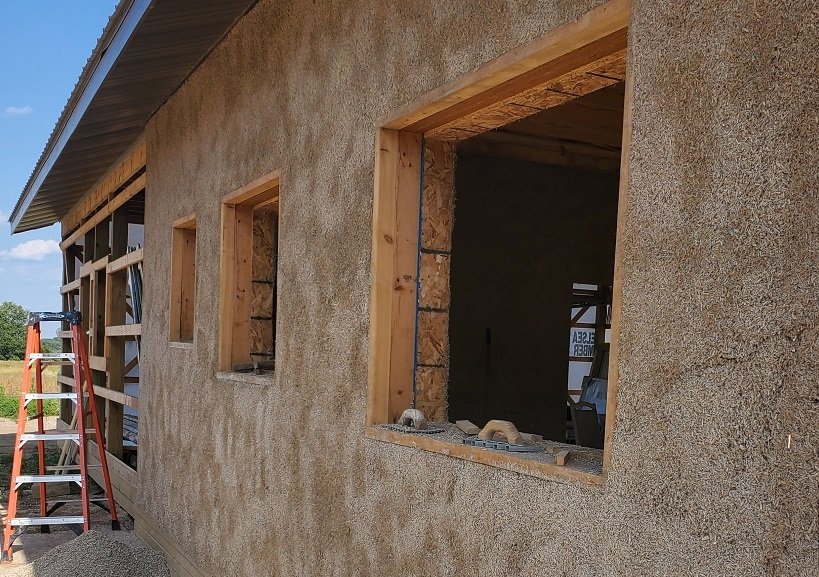
Bio-based materials are gaining attention as part of the movement toward low cement concrete alternatives. Hempcrete, for example, combines hemp fibers with a lime-based binder, resulting in a lightweight, insulating material ideal for walls and insulation. Similarly, bamboo-reinforced concrete uses renewable bamboo instead of steel for reinforcement, offering both strength and sustainability. These options are especially attractive for residential and low-rise construction.
Recycled Aggregate Concrete
Replacing natural aggregates with recycled materials—such as crushed concrete, glass, or even certain plastics—can further reduce the environmental impact of concrete. This approach conserves natural resources and diverts waste from landfills, making it a strong option for sustainable construction. When combined with SCMs or alternative binders, recycled aggregate concrete can be a key component of green building strategies.
Benefits of Eco-Friendly Concrete Solutions
Choosing low cement concrete alternatives offers multiple advantages beyond reducing carbon emissions. These include:
- Lower embodied energy: Many alternatives require less energy to produce than traditional cement.
- Improved thermal performance: Materials like hempcrete and bio-based concretes provide natural insulation.
- Waste reduction: Using industrial byproducts and recycled aggregates diverts waste from landfills.
- Potential cost savings: Some alternatives, especially those using local or recycled materials, can lower material costs.
- Healthier indoor environments: Natural materials often have lower emissions of volatile organic compounds (VOCs).
For a broader perspective on sustainable building, explore our resource on green infrastructure materials, which covers smart urban solutions for eco-friendly development.
Challenges and Considerations for Builders
While the benefits are clear, adopting new materials comes with challenges. Builders must consider:
- Availability: Not all alternatives are widely available in every region.
- Building codes: Some jurisdictions may not yet recognize or permit certain materials.
- Performance: It’s important to ensure that alternative mixes meet structural and durability requirements for the intended use.
- Cost: Upfront costs may be higher for some materials, though long-term savings and environmental benefits often offset this.
Working with experienced engineers and staying informed about evolving standards can help overcome these hurdles. For more on the advantages of sustainable materials, see this overview of eco-friendly construction materials.
How to Choose the Right Alternative for Your Project
When selecting a low cement concrete alternative, consider the following steps:
- Assess the structural requirements and intended use of the concrete.
- Research what materials are available locally to minimize transportation impacts.
- Consult with suppliers and engineers about mix designs and compatibility with your project.
- Review local building codes and certifications for alternative materials.
- Evaluate the total environmental impact, including embodied energy, recyclability, and potential for reuse.
For those interested in water management and urban sustainability, our article on permeable paving materials benefits highlights how alternative surfaces can further enhance green building projects.
Frequently Asked Questions
What is the most sustainable alternative to traditional cement concrete?
Geopolymer concrete is often considered one of the most sustainable options due to its use of industrial byproducts and significantly lower carbon emissions. Other strong contenders include hempcrete and concrete mixes with high proportions of supplementary cementitious materials.
Are low cement concrete alternatives as durable as conventional concrete?
Many alternatives, such as geopolymer and SCM-based concretes, offer comparable or even superior durability to traditional mixes. However, performance depends on proper mix design and application, so consulting with experts is recommended.
Can these alternatives be used for all types of construction?
Some alternatives are best suited for specific applications. For example, hempcrete is ideal for non-load-bearing walls and insulation, while geopolymer concrete can be used for structural elements. Always verify suitability for your project’s requirements and local codes.
How can I find suppliers of eco-friendly concrete materials?
Start by contacting local ready-mix suppliers and asking about low-cement or alternative mixes. Industry associations, green building councils, and online directories can also help locate reputable sources.
Conclusion
Adopting low cement concrete alternatives is a practical and impactful way for builders to reduce the environmental footprint of their projects. With options ranging from geopolymer mixes to bio-based concretes and recycled aggregates, there are solutions for nearly every application. By staying informed and collaborating with experts, eco-conscious builders can lead the way toward a more sustainable future in construction.