The construction industry is undergoing a significant transformation as the demand for environmentally responsible buildings grows. Developers, architects, and engineers are increasingly seeking sustainable structural materials that reduce carbon emissions, minimize resource depletion, and support long-term resilience. High-rise buildings, in particular, present unique challenges and opportunities for integrating eco-friendly materials without compromising strength, safety, or design flexibility.
This article explores the latest advancements and practical considerations for using greener alternatives in tall structures. We’ll examine the benefits, limitations, and real-world applications of these materials, helping industry professionals and sustainability-minded readers make informed decisions for future projects.
For those interested in innovative concrete solutions, learn more about slag cement construction uses and how they contribute to greener building practices.
Why Eco-Friendly Materials Matter in Tall Building Design
Urbanization is driving the construction of taller buildings, but traditional materials like concrete and steel have a heavy environmental footprint. The production of cement alone accounts for nearly 8% of global CO2 emissions. By prioritizing sustainable structural materials, the industry can:
- Reduce greenhouse gas emissions and energy consumption
- Lower embodied carbon in building components
- Promote resource efficiency and circular economy practices
- Enhance occupant health and comfort through non-toxic materials
- Meet or exceed green building certifications and regulations
Choosing the right materials is not only about environmental impact but also about ensuring durability, safety, and long-term value for building owners and occupants.
Key Types of Sustainable Structural Materials for High-Rises
Several innovative materials are gaining traction in the construction of modern skyscrapers. Each offers unique advantages and is suited to specific structural requirements.
Engineered Timber and Mass Timber Products
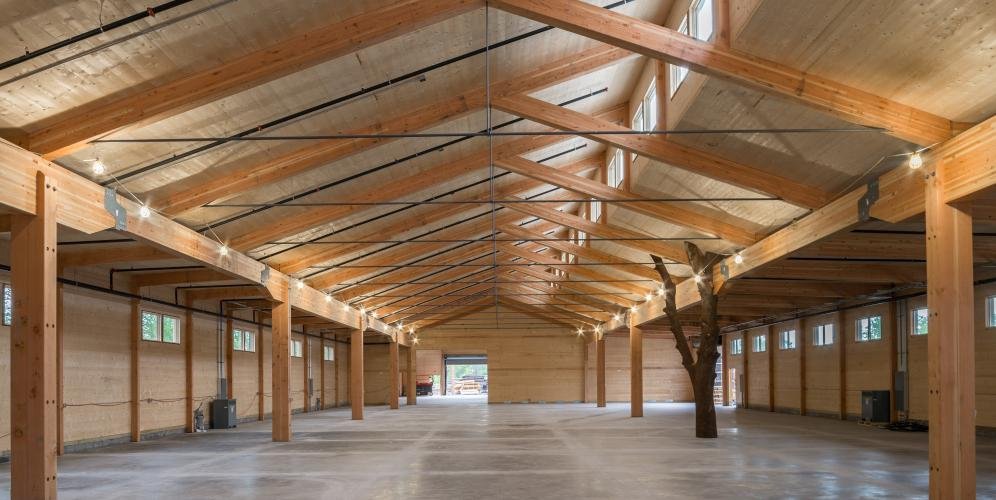
Engineered wood products like cross-laminated timber (CLT), glue-laminated timber (glulam), and laminated veneer lumber (LVL) are revolutionizing high-rise construction. These materials are manufactured from fast-growing, renewable forests and offer excellent strength-to-weight ratios.
- CLT panels can be prefabricated, reducing on-site waste and speeding up construction.
- Timber sequesters carbon, helping offset emissions from other building components.
- Modern fire protection and connection systems make timber safe for tall structures.
Mass timber buildings up to 18 stories have been completed in cities worldwide, demonstrating the viability of wood as a core structural element.
Low-Carbon Concrete and Cement Alternatives
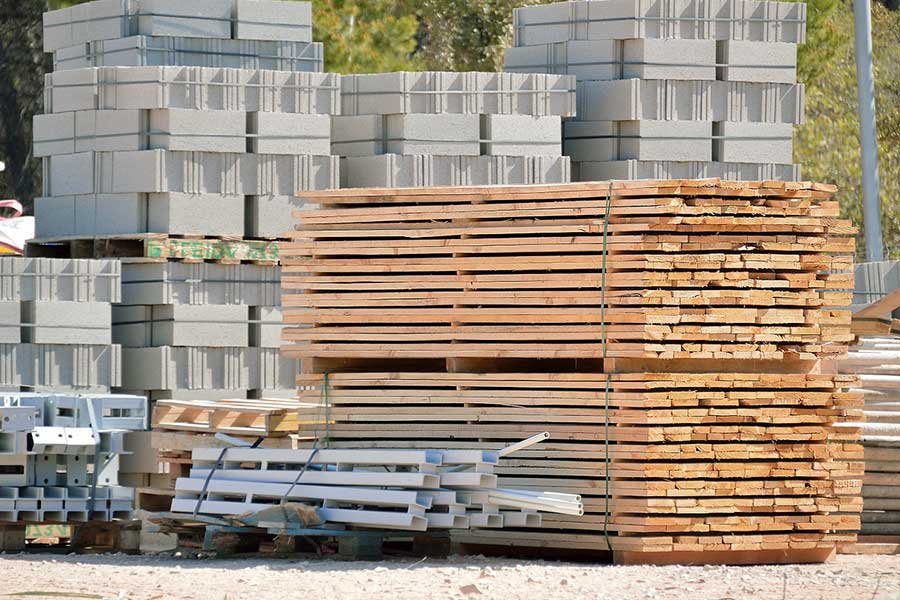
Concrete remains essential for high-rise foundations and cores, but its environmental impact can be reduced with innovative mix designs. Strategies include:
- Replacing a portion of Portland cement with supplementary cementitious materials (SCMs) like fly ash, slag, or calcined clay
- Using low cement concrete alternatives and recycled aggregates
- Adopting geopolymer binders, which offer high strength and lower emissions (geopolymer concrete benefits)
These approaches can cut embodied carbon by 30–70% compared to traditional mixes, while maintaining or improving performance. For more on this topic, see our guide on sustainable concrete mix design for foundations.
Bamboo: A Fast-Growing Renewable Resource
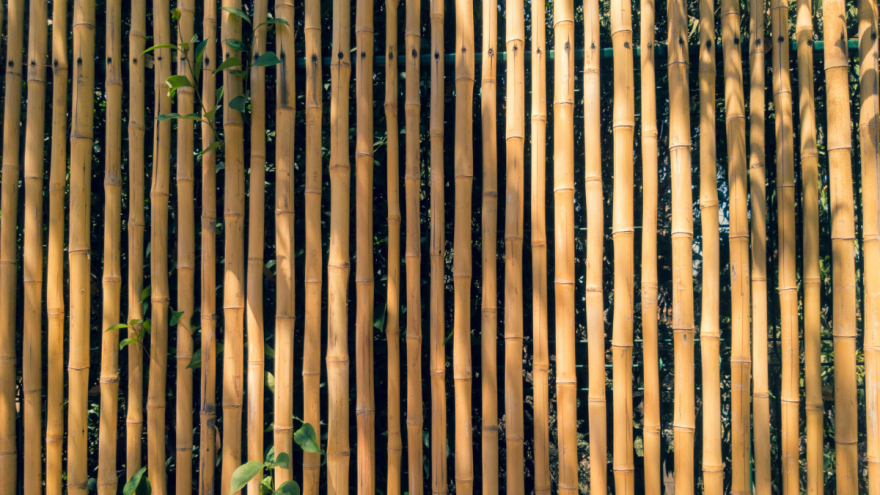
Bamboo is gaining popularity as a structural material due to its rapid growth, strength, and flexibility. Engineered bamboo products can be used for beams, columns, and even flooring in multi-story buildings. Bamboo’s natural resistance to pests and its ability to regenerate quickly make it a standout choice for eco-conscious projects.
While bamboo is still emerging in high-rise construction, research and pilot projects are demonstrating its potential as a viable alternative to steel and concrete in certain applications.
Recycled and Industrial Waste-Based Materials
Incorporating recycled content is another effective way to enhance sustainability. Examples include:
- Steel with high recycled content, which reduces energy use and emissions
- Concrete mixes that utilize industrial waste building materials such as slag or fly ash
- Recycled plastics and composites for non-structural elements
These materials help divert waste from landfills and reduce the need for virgin resources, supporting a circular approach to construction.
Challenges and Considerations for Sustainable High-Rise Construction
While the benefits of greener materials are clear, several challenges must be addressed to enable widespread adoption in tall buildings:
- Building Codes and Standards: Many regions are still updating codes to accommodate new materials like mass timber and bamboo.
- Supply Chain and Availability: Consistent sourcing of certified, high-quality products can be a barrier, especially for large-scale projects.
- Cost and Market Perception: Upfront costs for some sustainable options may be higher, though lifecycle savings and incentives can offset these expenses.
- Technical Expertise: Design teams must be familiar with the unique properties and construction techniques required for alternative materials.
Collaboration across disciplines and ongoing research are essential to overcome these hurdles and unlock the full potential of eco-friendly construction methods.
Emerging Trends and Future Outlook
The future of high-rise construction is increasingly shaped by sustainability goals and technological innovation. Some notable trends include:
- Hybrid structures that combine timber, concrete, and steel for optimal performance
- Advanced digital design tools to optimize material use and reduce waste
- Integration of smart building systems for energy efficiency and occupant wellness
- Greater emphasis on life cycle assessment and transparent material sourcing
As more cities adopt ambitious climate targets, the demand for sustainable structural materials will continue to grow. Industry leaders are already demonstrating that it’s possible to build taller, greener, and smarter—without sacrificing safety or aesthetics.
For a deeper dive into the latest research and case studies, explore this collection of articles on eco-friendly building materials.
FAQ: Sustainable Materials in High-Rise Construction
What are the main benefits of using sustainable materials in tall buildings?
Eco-friendly materials can significantly reduce a building’s carbon footprint, improve energy efficiency, and contribute to healthier indoor environments. They also help projects meet green building standards and can enhance property value over time.
Are sustainable materials as strong and durable as traditional options?
Many modern alternatives, such as engineered timber and advanced concrete mixes, offer comparable or even superior strength and durability when properly designed and installed. Building codes and rigorous testing ensure these materials meet safety requirements for high-rise applications.
How can developers ensure the materials they choose are truly sustainable?
Look for third-party certifications (such as FSC for wood products), request environmental product declarations (EPDs), and prioritize suppliers with transparent sourcing and manufacturing practices. Conducting a life cycle assessment can also help evaluate the full environmental impact of each material.
Where can I learn more about innovative concrete and cement alternatives?
For further reading, check out our articles on slag cement construction uses and sustainable concrete mix design for practical guidance on reducing carbon in foundations and structural elements.