
Choosing the right window frames is a crucial step toward building a more sustainable and energy-efficient home. The materials you select for your window frames can have a significant impact on your home’s insulation, energy consumption, and overall environmental footprint. As homeowners and builders become more conscious of sustainability, the demand for green window frame materials has grown rapidly. This article explores the best eco-friendly options available, their benefits, and practical considerations for making the most informed choice.
For those interested in a holistic approach to sustainable construction, exploring bio composite construction materials can further enhance your home’s green credentials. Integrating eco-friendly solutions throughout your property, from fencing to decking, ensures a consistent commitment to environmental responsibility.
Why Eco-Friendly Window Frames Matter
Windows are more than just architectural features; they are key components in a home’s energy performance. Traditional window frames, often made from non-renewable resources or materials with high embodied energy, can contribute to heat loss, condensation, and increased energy bills. In contrast, green window frame materials are designed to minimize environmental impact while maximizing thermal efficiency and durability.
- Reduced energy consumption: Well-insulated frames help maintain indoor temperatures, reducing the need for heating and cooling.
- Lower carbon footprint: Sustainable materials often require less energy to produce and can be recycled or renewed.
- Improved indoor comfort: Quality frames prevent drafts and condensation, creating a healthier living environment.
Top Sustainable Window Frame Options
There are several materials that stand out for their environmental benefits, performance, and aesthetics. Each offers unique advantages for energy-conscious homeowners.
Bamboo: A Rapidly Renewable Choice
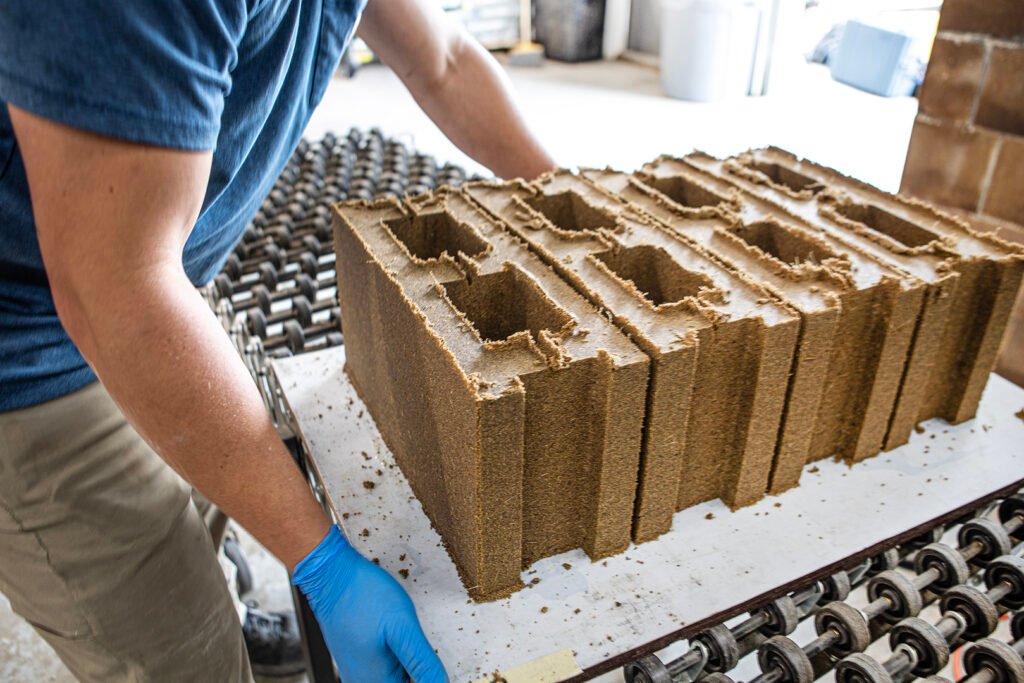
Bamboo is gaining popularity as a window frame material due to its rapid growth cycle and impressive strength-to-weight ratio. Unlike hardwoods, bamboo matures in just a few years, making it a highly renewable resource. Its natural resistance to pests and moisture also makes it suitable for various climates.
When sourced responsibly, bamboo frames can be both beautiful and durable. They offer a warm, natural look and can be finished in a variety of stains and textures to match different design preferences.
Recycled Aluminum: Lightweight and Long-Lasting
Aluminum frames have long been favored for their strength and slim profiles. When made from recycled content, they become a much more sustainable option. Recycled aluminum requires significantly less energy to produce compared to virgin aluminum, reducing greenhouse gas emissions.
These frames are highly durable, resistant to corrosion, and require minimal maintenance. To maximize energy efficiency, look for aluminum frames with a thermal break—a layer of insulating material that separates the interior and exterior parts of the frame, minimizing heat transfer.
Fiberglass: High Performance with Low Environmental Impact
Fiberglass window frames are made from fine glass fibers embedded in resin. This material is known for its excellent thermal performance, dimensional stability, and resistance to warping or swelling. Fiberglass frames can be manufactured using recycled glass, further enhancing their sustainability profile.
They are often painted or finished to mimic wood, offering versatility in design without the maintenance concerns of natural timber. Fiberglass is also less likely to expand or contract with temperature changes, ensuring a tight seal year-round.
Wood from Certified Sustainable Sources
Wood remains a classic choice for window frames, offering natural beauty and strong insulating properties. To ensure environmental responsibility, opt for wood certified by organizations such as the Forest Stewardship Council (FSC). Certified wood is harvested in a way that promotes forest regeneration and biodiversity.
Properly maintained wooden frames can last for decades. They can also be repaired and refinished, extending their lifespan and reducing waste. For added sustainability, consider engineered wood products, which use smaller pieces of wood bonded together for greater efficiency and strength.
Emerging Green Composites
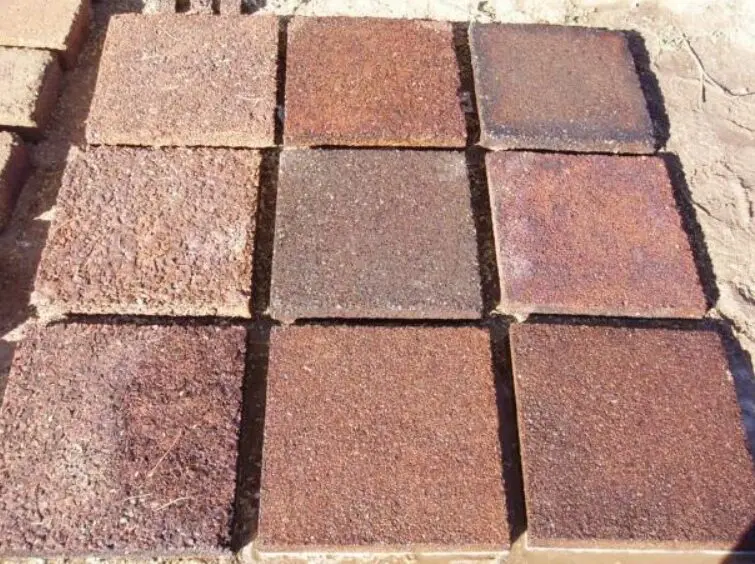
Innovative composite materials are entering the market, combining natural fibers, recycled plastics, and resins to create frames that balance strength, insulation, and sustainability. These composites can be engineered to mimic the appearance of wood or metal while offering superior resistance to weather and pests.
Comparing the Environmental Impact of Window Frame Materials
When evaluating green window frame materials, it’s important to consider the full lifecycle of each option. This includes the energy required for extraction, manufacturing, transportation, installation, maintenance, and eventual disposal or recycling. Here’s a quick comparison:
| Material | Renewability | Recyclability | Insulation Value | Maintenance |
|---|---|---|---|---|
| Bamboo | High | Moderate | Good | Low to Moderate |
| Recycled Aluminum | Low | High | Moderate (with thermal break) | Low |
| Fiberglass | Moderate | Moderate | Excellent | Low |
| Certified Wood | High | High | Excellent | Moderate |
| Green Composites | Moderate | Varies | Good | Low |
How to Choose the Right Eco-Friendly Window Frame
Making the best choice for your home depends on several factors, including climate, architectural style, budget, and personal values. Here are some tips to guide your decision:
- Assess your climate: In colder regions, prioritize frames with high insulation values, such as fiberglass or wood. In humid climates, materials resistant to moisture and pests, like bamboo or composites, are ideal.
- Check certifications: Look for third-party certifications (such as FSC for wood) to ensure materials are sourced responsibly.
- Consider maintenance: Some materials require regular upkeep, while others are virtually maintenance-free. Factor in your willingness and ability to maintain the frames over time.
- Evaluate aesthetics: Choose a material that complements your home’s design. Many eco-friendly options can be customized in terms of color and finish.
- Think long-term: Investing in durable, high-performance frames may cost more upfront but will pay off through energy savings and longevity.
If you’re interested in expanding your sustainable home improvements, you might also want to explore sustainable fence materials options or learn about natural fiber reinforced composites for other building applications.
Additional Resources and Inspiration
For a broader overview of eco-friendly construction options, refer to this comprehensive list of eco-friendly building materials. Staying informed about the latest innovations helps you make choices that benefit both your home and the planet.
Decking and outdoor spaces can also benefit from sustainable choices. Consider reading about eco friendly decking materials or the benefits of recycled composite decking to create a cohesive, environmentally responsible property.
Frequently Asked Questions
What makes a window frame material environmentally friendly?
Eco-friendly window frame materials are those that have a low environmental impact throughout their lifecycle. This includes being made from renewable or recycled resources, requiring minimal energy for production, offering high insulation value, and being recyclable or biodegradable at the end of their use.
Are green window frames more expensive than traditional options?
Some sustainable materials, such as certified wood or advanced composites, may have a higher upfront cost compared to conventional frames. However, their superior insulation and durability often result in lower energy bills and reduced maintenance costs over time, making them a smart long-term investment.
Can eco-friendly window frames be used in any climate?
Yes, there are sustainable frame options suitable for all climates. For example, fiberglass and composites perform well in extreme temperatures, while bamboo and treated wood are ideal for moderate or humid environments. Always choose a material that matches your local climate and building requirements.