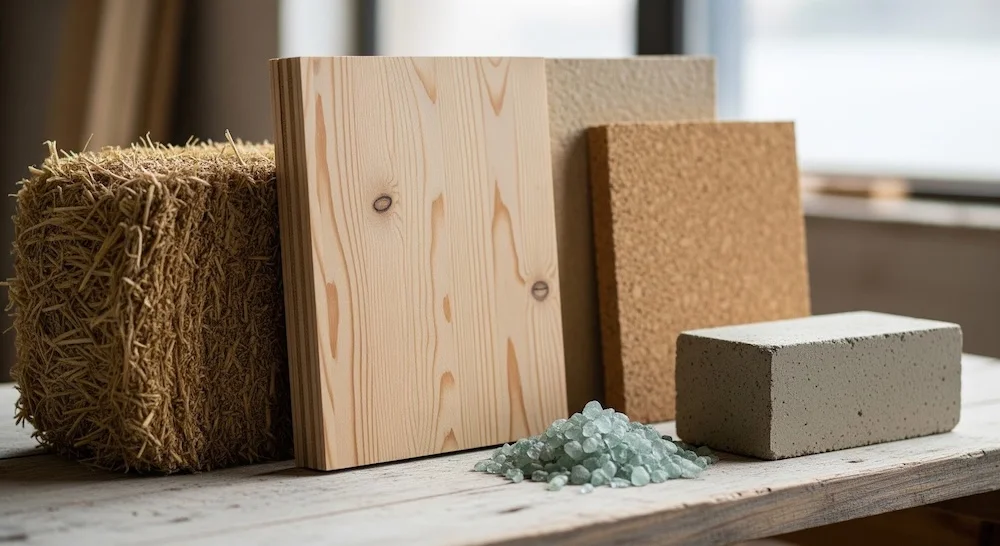
As more homeowners seek to reduce their environmental impact, the demand for eco friendly decking materials continues to rise. Choosing sustainable options for outdoor spaces not only lessens your carbon footprint but also creates a healthier environment for your family and community. This guide explores the most responsible decking choices, their benefits, and how they compare to traditional products.
With a variety of innovative materials now available, it’s easier than ever to design a beautiful, durable deck that aligns with green building principles. For those interested in sustainable construction beyond decking, exploring bio composite construction materials can provide further insight into eco-conscious building solutions.
Why Choose Sustainable Decking Solutions?
Conventional decking materials, such as pressure-treated lumber or tropical hardwoods, often come with significant environmental drawbacks. These can include deforestation, chemical treatments, and high embodied energy. In contrast, sustainable decking options are designed to minimize resource depletion and pollution, while offering long-lasting performance.
- Reduced Environmental Impact: Many green decking products are made from recycled or rapidly renewable resources.
- Healthier Outdoor Spaces: Non-toxic materials help protect your family and local wildlife from harmful chemicals.
- Longevity and Low Maintenance: Durable, weather-resistant surfaces require less upkeep and replacement over time.
For a broader look at sustainable construction, see this overview of sustainable building materials and their benefits.
Types of Eco-Conscious Decking Materials
There are several categories of eco friendly decking materials to consider, each with unique advantages and considerations. Below are some of the most popular and effective choices for environmentally responsible outdoor living.
Bamboo Decking: Rapidly Renewable and Stylish
Bamboo is a standout among green building materials due to its fast growth and renewability. Unlike hardwoods that take decades to mature, bamboo can be harvested in just a few years. This makes it a highly sustainable option for decking surfaces.
- Grows back quickly after harvesting
- Hard and durable, with a natural resistance to pests
- Available in a variety of finishes and colors
When selecting bamboo decking, look for products that are free from harmful adhesives and certified by reputable environmental organizations. Bamboo is also used in other sustainable applications, such as flooring and fencing, making it a versatile choice for eco-conscious homeowners.
Composite Decking: Recycled Content and Durability
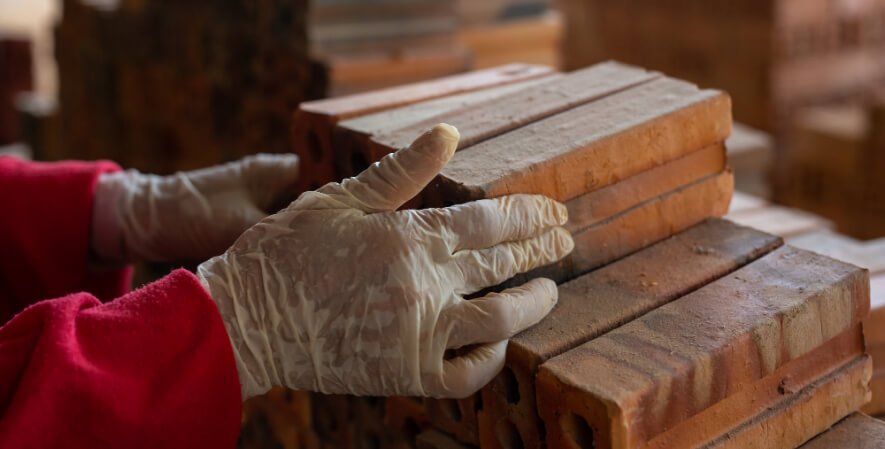
Composite decking is made from a blend of recycled plastics and reclaimed wood fibers. This combination diverts waste from landfills and reduces the demand for virgin timber. Composite boards are engineered to resist rot, insects, and fading, making them a practical long-term investment.
- Low maintenance—no need for staining or sealing
- Variety of colors and textures to mimic natural wood
- Often backed by extended warranties
Some composite products are even manufactured using renewable energy, further reducing their environmental footprint. When shopping for composite decking, check for certifications such as FSC (Forest Stewardship Council) or GreenGuard to ensure responsible sourcing and low emissions.
Reclaimed and Salvaged Wood: Giving Old Materials New Life
Using reclaimed wood for decking is another excellent way to reduce environmental impact. Salvaged lumber from old barns, factories, or shipping pallets can be repurposed into unique and character-rich deck surfaces. This approach keeps valuable materials out of the waste stream and preserves the embodied energy of the original wood.
- Distinctive appearance with natural patina
- Reduces demand for newly harvested timber
- Can be combined with modern finishes for durability
Before installing reclaimed wood, ensure it is properly treated for outdoor use and free from contaminants such as lead paint or chemical preservatives.
Innovative Green Decking Alternatives
Beyond bamboo and composites, several new materials are making waves in the world of sustainable decking. These alternatives offer unique benefits for those seeking the latest in eco-innovation.
Hemp-Based Decking and Bio-Composites
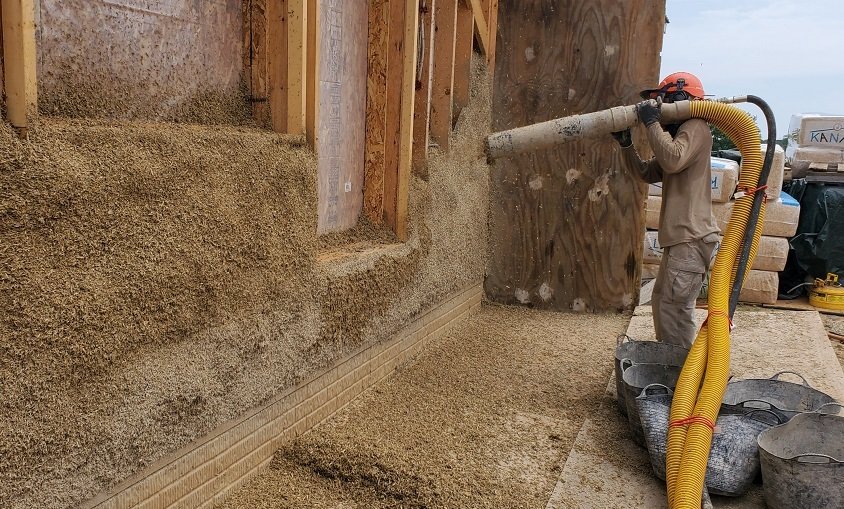
Hemp fibers are increasingly used in construction for their strength and sustainability. Hemp-based decking panels and bio-composites are lightweight, durable, and naturally resistant to mold and pests. These materials are often paired with recycled plastics or resins to create boards that are both tough and environmentally responsible.
For those interested in the broader applications of agricultural byproducts, the article on agricultural waste building materials offers additional insights into circular construction practices.
Thermally Modified Wood: Enhanced Performance with Fewer Chemicals
Thermally modified wood is created by heating timber in a controlled environment, which enhances its durability and resistance to decay without the need for chemical preservatives. This process makes it suitable for outdoor use while maintaining a natural wood appearance.
- Long lifespan and reduced maintenance needs
- Retains the look and feel of real wood
- Lower environmental impact compared to pressure-treated lumber
Thermally modified species such as ash, pine, and spruce are increasingly available for decking projects, offering a balance between sustainability and aesthetics.
How to Select the Best Green Decking for Your Project
When evaluating eco friendly decking materials, consider the following factors to ensure your choice aligns with your sustainability goals and practical needs:
- Source of Materials: Opt for products made from recycled, reclaimed, or rapidly renewable resources.
- Certifications: Look for third-party certifications (such as FSC or PEFC) that verify responsible sourcing and manufacturing.
- Maintenance Requirements: Choose materials that require minimal chemical treatments and cleaning products.
- End-of-Life Options: Prefer decking that can be recycled or safely disposed of at the end of its lifespan.
- Climate Suitability: Select materials that perform well in your local weather conditions to maximize durability.
For those planning a larger sustainable build, resources on sustainable structural materials can help guide eco-friendly choices throughout your project.
Installation and Maintenance Tips for Sustainable Decks
Proper installation and care are essential for maximizing the lifespan and environmental benefits of your green deck. Here are some practical tips:
- Use stainless steel or coated fasteners to prevent corrosion and extend deck life.
- Apply natural oil finishes or water-based sealants instead of solvent-based products.
- Regularly sweep debris and clean surfaces with mild, biodegradable soaps.
- Inspect for signs of wear or damage and address issues promptly to avoid costly repairs.
For those interested in sustainable foundations, the article on eco friendly foundation materials provides additional guidance for building from the ground up.
Frequently Asked Questions
What are the most sustainable materials for outdoor decking?
Some of the top choices include bamboo, composite boards made from recycled plastics and wood fibers, reclaimed timber, and innovative bio-composites such as hemp-based panels. Each offers unique benefits in terms of renewability, durability, and environmental impact.
Are eco-friendly decks more expensive than traditional options?
While some green decking products may have a higher upfront cost, their durability and low maintenance requirements often result in long-term savings. Additionally, the environmental benefits and healthier outdoor environment can outweigh the initial investment for many homeowners.
How can I ensure my deck is truly sustainable?
Look for third-party certifications, research the sourcing of raw materials, and choose products with recycled or rapidly renewable content. Proper installation and maintenance will also help extend the lifespan of your deck and reduce its overall impact.
Conclusion
Building with eco friendly decking materials is a practical way to enjoy outdoor living while supporting environmental stewardship. By selecting sustainable products, maintaining them responsibly, and considering the entire lifecycle of your deck, you can create a space that is both beautiful and beneficial for the planet. For more on innovative green building solutions, explore the advantages of rice husk ash concrete benefits and other sustainable materials shaping the future of construction.