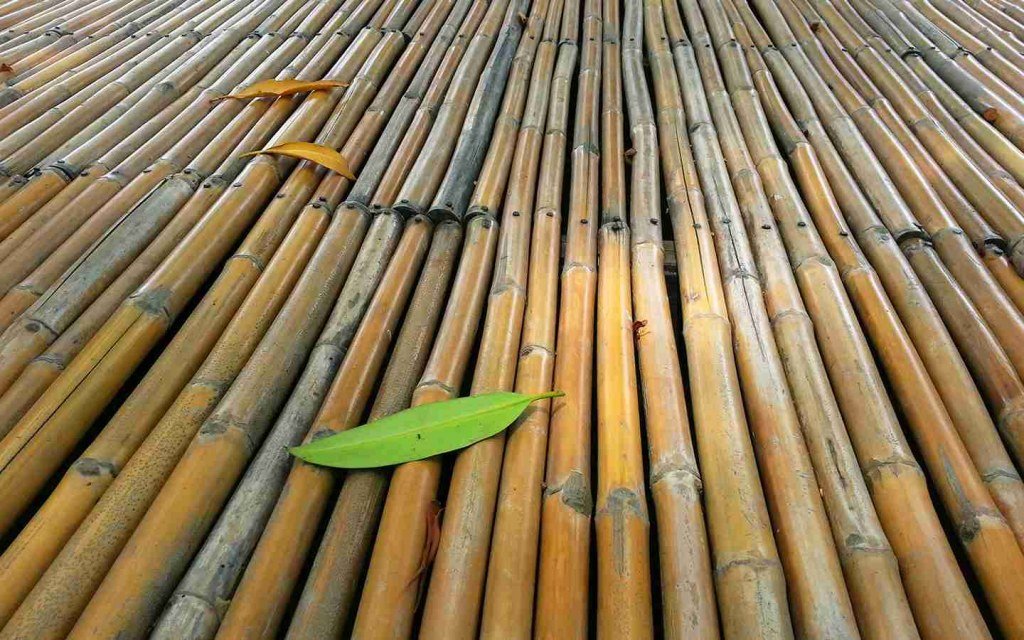
Bio composite construction materials are transforming the way we think about building. By combining natural fibers with modern engineering, these materials offer a sustainable alternative to conventional options like concrete, steel, and plastics. As the construction industry faces increasing pressure to reduce its environmental impact, bio-based composites are gaining traction for their eco-friendly properties, versatility, and potential to lower carbon footprints.
In this article, we’ll explore the fundamentals of these innovative materials, their benefits, common types, and how they’re being used in real-world projects. We’ll also highlight how they compare to traditional building materials and provide practical insights for anyone considering greener construction solutions.
For those interested in other sustainable building approaches, you may want to read about earth based construction techniques that are making a comeback in modern architecture.
What Are Bio-Based Composites in Construction?
Bio-based composites are materials made by combining natural fibers—such as bamboo, hemp, flax, jute, or wood—with a binding matrix, which can be either natural (like bio-resins) or synthetic. The result is a material that leverages the strength, flexibility, and renewability of plant-based resources while benefiting from the durability and formability of engineered composites.
These materials are used in a variety of applications, including structural panels, insulation, flooring, wall systems, and even decorative elements. Their popularity is growing as architects, engineers, and builders seek alternatives that balance performance with environmental responsibility.
Advantages of Using Bio Composite Construction Materials
There are several compelling reasons to consider bio-based composites for building projects:
- Reduced Environmental Impact: Most natural fibers are renewable, biodegradable, and require less energy to produce than traditional construction materials.
- Lightweight and Strong: Many bio-composites offer a high strength-to-weight ratio, making them suitable for load-bearing applications.
- Thermal and Acoustic Insulation: Natural fibers have excellent insulating properties, helping to improve energy efficiency and indoor comfort.
- Lower Carbon Footprint: Plants absorb CO2 as they grow, and using them in construction can help sequester carbon for the life of the building.
- Versatility: These materials can be molded, shaped, or layered to suit a wide range of architectural styles and functions.
For a deeper dive into the environmental benefits of green building options, see this overview of eco-friendly construction materials.
Common Types of Bio-Based Composites for Building
Several types of bio composite construction materials are now available, each with unique properties and applications:
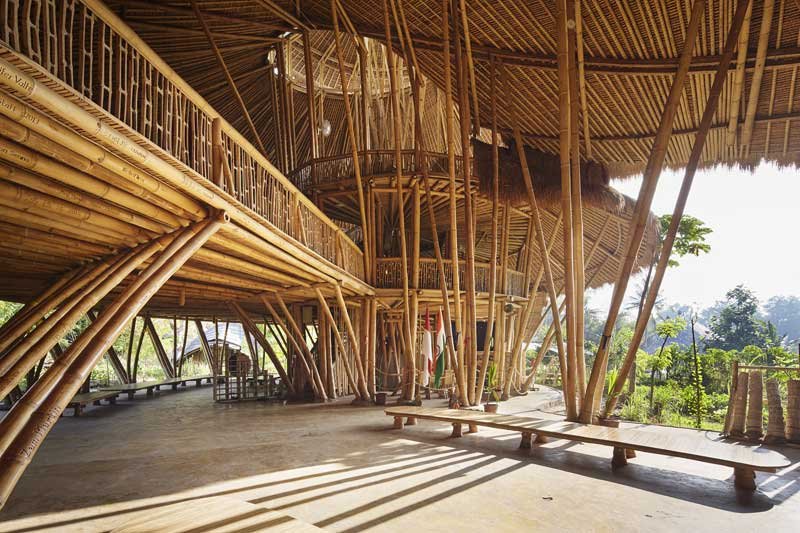
- Bamboo Composites: Bamboo is fast-growing, strong, and flexible. It’s used for flooring, wall panels, and even structural beams.
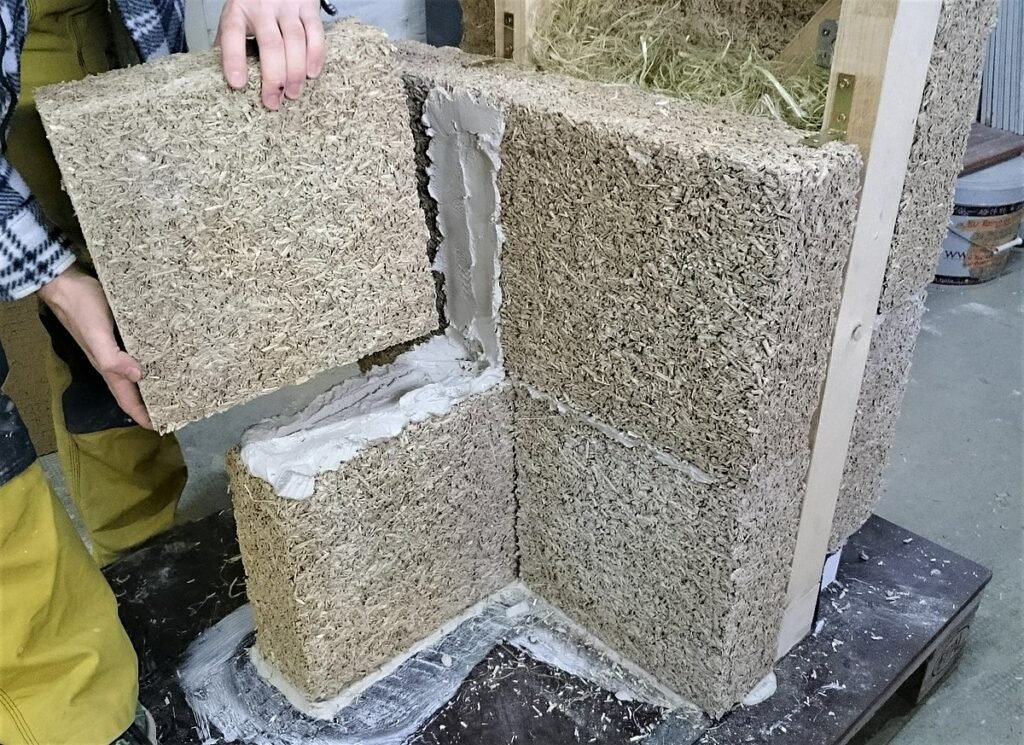
- Hempcrete: Made from hemp fibers and lime, this lightweight concrete alternative is prized for insulation and non-load-bearing walls.
- Wood-Plastic Composites (WPC): These combine wood fibers with recycled plastics, offering durability for decking and outdoor use.
- Flax and Jute Panels: Used in interior walls and furniture, these panels are lightweight and have good acoustic properties.
- Bio-Resin Laminates: Natural fibers are embedded in bio-based resins for high-performance panels and cladding.
How Bio Composites Are Used in Modern Construction
Bio-based composites are making their way into both residential and commercial projects. Here are some practical examples of their use:
- Flooring: Bamboo and cork composites are popular for their durability, natural look, and comfort underfoot.
- Wall Systems: Hempcrete and straw bale panels provide insulation and breathability, ideal for energy-efficient homes.
- Roofing: Some bio-composites are engineered for lightweight, weather-resistant roofing solutions.
- Insulation: Natural fiber mats (such as hemp or flax) are used as eco-friendly alternatives to mineral wool or foam boards.
- Exterior Cladding: Wood-plastic composites and fiber panels offer weather resistance and aesthetic appeal for facades.
For those interested in maximizing sustainability, integrating agricultural waste building materials into your project can further reduce environmental impact.
Comparing Bio Composites to Traditional Building Materials
When evaluating whether to use bio composite construction materials, it’s important to compare them to conventional options:
| Property | Bio-Based Composites | Traditional Materials |
|---|---|---|
| Environmental Impact | Low (renewable, biodegradable) | High (energy-intensive, non-renewable) |
| Weight | Light to moderate | Often heavy (concrete, steel) |
| Strength | High (for many applications) | Very high (steel, reinforced concrete) |
| Insulation | Excellent (natural fibers) | Variable (often requires additional insulation) |
| Cost | Competitive, sometimes higher initially | Varies, often lower upfront |
| Durability | Good, but can be affected by moisture | Generally high, but may require maintenance |
While bio-based composites may have a higher upfront cost in some cases, their long-term benefits—especially in energy savings and reduced environmental impact—can make them a smart investment.
Challenges and Considerations with Bio-Based Construction Materials
Despite their advantages, there are some challenges to consider:
- Moisture Sensitivity: Some natural fibers can absorb water, leading to swelling or decay if not properly treated or protected.
- Standardization: Industry standards for performance and safety are still evolving, which can complicate approval and certification.
- Supply Chain: Availability of certain bio-based materials may be limited depending on region and scale of the project.
- Cost: Initial costs can be higher than traditional materials, although this is changing as demand grows and production scales up.
To address these issues, ongoing research and development are focused on improving durability, developing better protective coatings, and establishing clear performance standards.
Integrating Bio Composites into Sustainable Building Strategies
Incorporating bio-based composites is just one part of a broader sustainable construction strategy. Combining these materials with other green practices—such as using rice husk ash concrete benefits or eco friendly foundation materials—can further enhance a building’s environmental profile.
For large-scale projects, exploring sustainable structural materials can help ensure that every aspect of the build aligns with eco-friendly goals.
Frequently Asked Questions
What are the main benefits of using bio-based composites in construction?
Bio-based composites offer lower environmental impact, renewable sourcing, strong insulation properties, and a high strength-to-weight ratio. They can reduce a building’s carbon footprint and support healthier indoor environments.
Are bio composite materials as durable as traditional options?
Many bio-based composites are highly durable, especially when properly engineered and protected from moisture. While some may require additional treatment, ongoing advancements are improving their longevity and performance.
Can bio-based composites be used for structural applications?
Yes, certain types—such as bamboo composites and engineered wood products—are strong enough for structural uses. However, it’s important to consult with engineers and follow local building codes to ensure safety and compliance.
How do bio composites contribute to green building certifications?
Using bio-based composites can help projects earn points toward certifications like LEED or BREEAM by reducing embodied carbon, improving indoor air quality, and supporting sustainable sourcing.
Bio composite construction materials are at the forefront of sustainable building innovation. As technology advances and demand grows, these materials are poised to play a central role in the future of construction—where nature and engineering work together for a greener world.