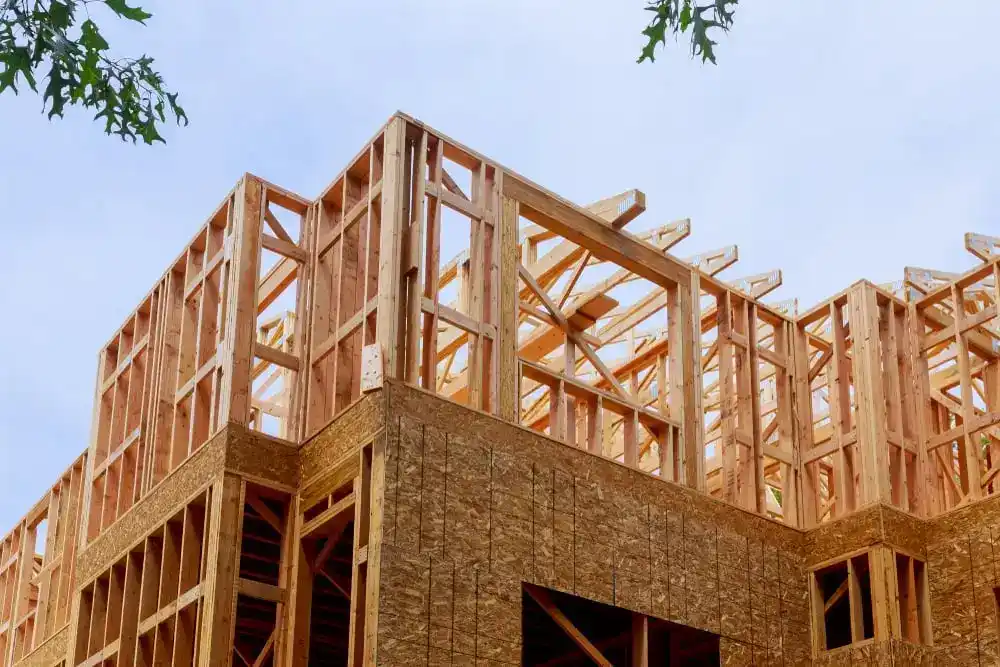
Building with the environment in mind is no longer just a trend—it’s a necessity. Choosing eco friendly foundation materials is one of the most impactful ways to reduce a building’s carbon footprint from the ground up. These materials not only minimize environmental harm but also offer durability, energy efficiency, and healthier living spaces. As sustainable construction gains momentum, understanding the options for green foundations is essential for homeowners, builders, and architects alike.
From recycled content to renewable resources, the range of sustainable foundation solutions is expanding rapidly. This article explores the most promising materials, their benefits, and practical considerations for integrating them into modern construction. For those interested in traditional approaches, earth based construction techniques offer valuable insights into time-tested, low-impact building methods.
Why Choose Sustainable Foundation Solutions?
Traditional foundation materials, such as concrete and steel, are resource-intensive and contribute significantly to global carbon emissions. In contrast, eco friendly foundation materials are designed to reduce environmental impact at every stage—from sourcing and manufacturing to installation and end-of-life disposal. They often incorporate recycled or rapidly renewable resources, require less energy to produce, and can improve indoor air quality.
Beyond environmental benefits, these materials can enhance a building’s performance. Many offer superior insulation, moisture resistance, and longevity, resulting in lower maintenance costs and increased comfort for occupants. As green building standards become more rigorous, selecting sustainable options for foundations is a smart investment for the future.
Types of Eco-Conscious Foundation Materials
Several innovative and traditional materials are now available for sustainable foundations. Here are some of the most notable options:
- Bamboo: Fast-growing and highly renewable, bamboo is gaining popularity for its strength and versatility in construction. When engineered into panels or used as reinforcement, it provides a lightweight yet durable alternative to steel and concrete.
- Recycled Concrete Aggregate (RCA): By crushing and reusing old concrete, RCA reduces the demand for new raw materials and diverts waste from landfills. It performs comparably to traditional aggregate in many foundation applications.
- Fly Ash and Slag Cement: These industrial byproducts can replace a portion of Portland cement in concrete mixes, significantly lowering embodied carbon. For more details on mix design, see sustainable concrete mix design approaches.
- Rammed Earth: This ancient technique uses compacted natural soils to form strong, thermally stable walls and foundations. It requires minimal processing and can be sourced locally, reducing transportation emissions.
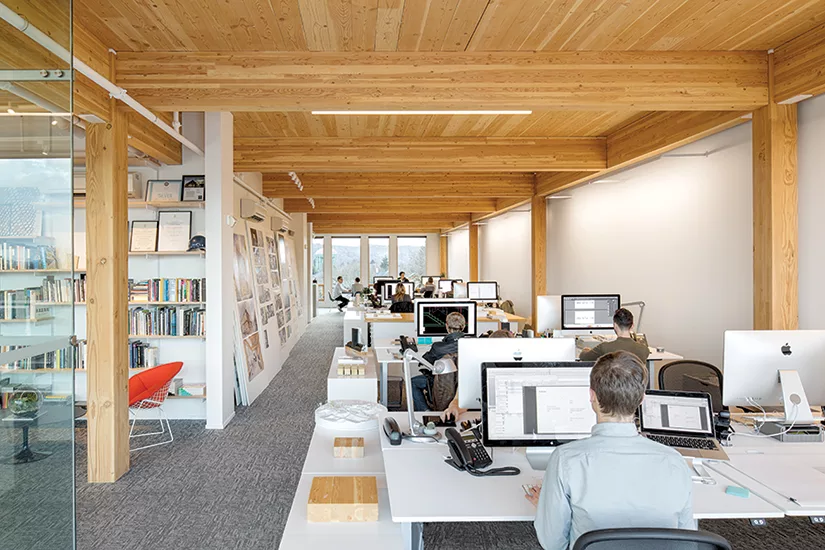
- Mass Timber: Engineered wood products, such as cross-laminated timber (CLT), are increasingly used for foundation slabs and structural supports. Timber stores carbon and is renewable when sourced from responsibly managed forests.
- Insulated Concrete Forms (ICFs): While not always made from recycled content, ICFs combine insulation and structure, improving energy efficiency and reducing heating and cooling needs.
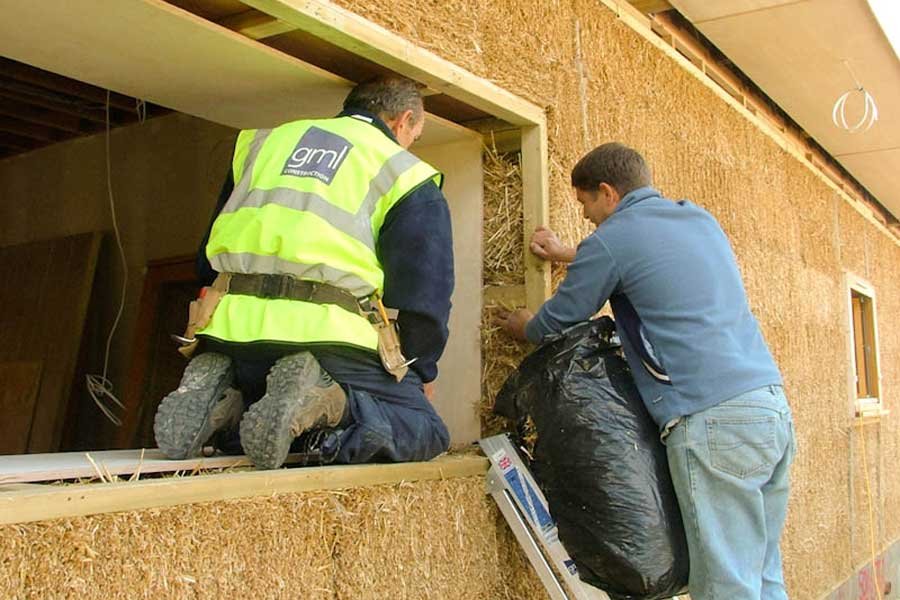
Comparing Green Foundation Materials
Each sustainable foundation option offers unique benefits and challenges. The table below provides a quick comparison of key characteristics:
| Material | Renewability | Carbon Footprint | Durability | Typical Use |
|---|---|---|---|---|
| Bamboo | High | Low | Good | Reinforcement, panels |
| Recycled Concrete Aggregate | Medium | Lower than new concrete | Excellent | Footings, slabs |
| Fly Ash/Slag Cement | Low (byproduct) | Significantly reduced | Excellent | Concrete mixes |
| Rammed Earth | High | Very low | Excellent | Walls, foundations |
| Mass Timber | High | Low (if FSC certified) | Good | Slabs, supports |
Benefits of Using Eco Friendly Foundation Materials
Adopting sustainable materials for foundations brings a range of advantages:
- Reduced Environmental Impact: Lower emissions, less resource extraction, and decreased landfill waste.
- Improved Indoor Air Quality: Many green materials emit fewer volatile organic compounds (VOCs) and toxins.
- Energy Efficiency: Enhanced insulation properties can help maintain stable indoor temperatures and reduce energy bills.
- Long-Term Durability: Properly selected and installed, these materials can last as long as or longer than conventional options.
- Support for Circular Economy: Using recycled or rapidly renewable resources encourages responsible consumption and waste reduction. For more on this, see the article on agricultural waste building materials.
Challenges and Considerations
While the advantages are clear, there are also important factors to weigh when selecting green foundation materials:
- Local Availability: Not all materials are accessible in every region, which can affect cost and environmental benefits.
- Building Codes: Some jurisdictions may have restrictions or require additional testing for alternative materials.
- Performance Requirements: Soil conditions, climate, and structural loads must be considered to ensure the chosen material is suitable.
- Upfront Costs: Some sustainable options may have higher initial costs, though these are often offset by long-term savings.
For builders seeking alternatives to traditional cement, exploring low cement concrete alternatives can provide further options for reducing environmental impact.
How to Select the Right Material for Your Project
Choosing the best sustainable foundation solution depends on several factors:
- Assess Site Conditions: Soil type, moisture levels, and climate all influence material suitability.
- Research Local Options: Sourcing materials locally reduces transportation emissions and supports regional economies.
- Consult with Experts: Structural engineers and green building consultants can help evaluate performance and compliance with codes.
- Consider Lifecycle Impact: Look beyond initial costs to long-term durability, maintenance, and end-of-life recyclability.
For high-rise or commercial projects, exploring sustainable structural materials can further enhance the overall sustainability of the building envelope.
Further Resources and Innovations
The field of sustainable construction is evolving rapidly, with new materials and technologies emerging every year. For a deeper dive into the subject, the article on eco-friendly materials in sustainable construction provides a comprehensive overview of current trends and research.
As more builders and homeowners prioritize sustainability, demand for green foundation solutions will continue to grow. Staying informed about the latest advancements ensures your project is both environmentally responsible and future-ready.
Frequently Asked Questions
What are the most popular eco friendly foundation materials today?
Some of the most widely used options include bamboo, recycled concrete aggregate, fly ash or slag cement blends, rammed earth, and engineered mass timber. The best choice depends on project requirements and local availability.
Are sustainable foundation materials as durable as traditional options?
Yes, many green materials offer comparable or even superior durability when properly selected and installed. For example, rammed earth and engineered timber can last for decades with minimal maintenance.
Do green foundations cost more than conventional ones?
Upfront costs can be higher for some sustainable materials, but long-term savings from energy efficiency, durability, and reduced maintenance often offset the initial investment.