As environmental awareness grows, many homeowners and builders are rethinking their material choices for windows and doors. While uPVC (unplasticized polyvinyl chloride) has been a popular option due to its affordability and low maintenance, concerns about its environmental impact have led to a search for uPVC alternatives eco friendly. This article explores sustainable window frame materials, their benefits, and how they compare to traditional uPVC options.
Choosing greener materials not only reduces your carbon footprint but can also improve indoor air quality and enhance the overall energy efficiency of your home. If you’re interested in maximizing efficiency, you may also want to explore energy saving building envelope materials for a holistic approach to sustainable construction.

Why Look Beyond uPVC for Window Frames?
uPVC has been widely used for decades due to its durability, weather resistance, and cost-effectiveness. However, it is a petroleum-based plastic that is not biodegradable and can release toxic chemicals during production and disposal. These environmental drawbacks have prompted many to seek eco friendly window frame materials that are both sustainable and high-performing.
Some of the main reasons to consider alternatives include:
- Reduced environmental impact through renewable or recyclable materials
- Lower embodied energy and carbon emissions
- Improved indoor air quality by avoiding off-gassing plastics
- Potential for better insulation and energy savings
Switching to more sustainable options can also support green building certifications and future-proof your property as regulations evolve.
Top Eco Friendly Window Frame Materials
There are several uPVC alternatives eco friendly that offer a balance of sustainability, durability, and design flexibility. Here are some of the most promising choices:
1. Timber and Engineered Wood
Wood remains a classic and renewable option for window frames. Responsibly sourced timber, especially from FSC-certified forests, is biodegradable and has a much lower carbon footprint than plastic. Engineered wood products, such as laminated veneer lumber (LVL), offer additional strength and stability while using less raw material.
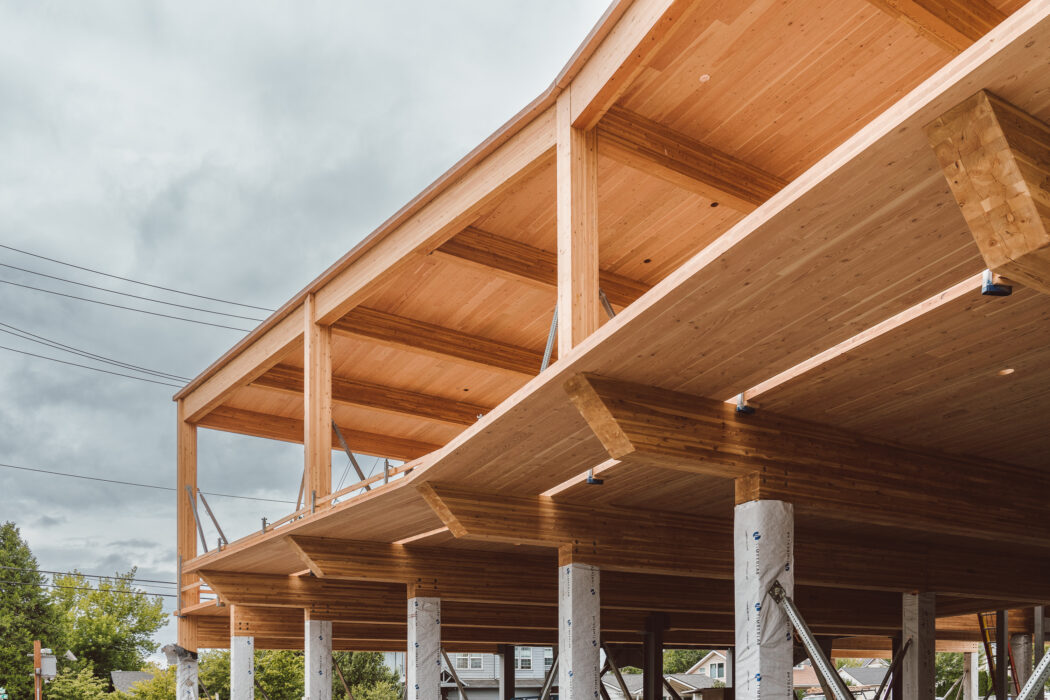
Modern wood windows are treated for enhanced weather resistance and longevity. They can be finished in a range of stains or paints to suit any aesthetic. However, regular maintenance is essential to prevent rot and extend their lifespan.
2. Aluminum with Thermal Breaks
Aluminum is lightweight, strong, and highly recyclable. When used for window frames, it can be an environmentally conscious choice—especially if it incorporates a thermal break to reduce heat transfer and improve energy efficiency. Many manufacturers now use recycled aluminum content, further lowering the environmental impact.
Aluminum frames are virtually maintenance-free and can last for decades. Their slim profiles allow for larger panes of glass and more natural light. The main drawback is their higher embodied energy compared to wood, but this is offset by recyclability and durability.
3. Fiberglass and Composite Frames
Fiberglass window frames are made from glass fibers and resin, offering excellent strength, stability, and insulation. They are resistant to warping, rotting, and corrosion, making them a long-lasting alternative to uPVC. Many fiberglass frames use recycled content and can be recycled at the end of their life.
Composite frames, which blend materials such as wood fibers and polymers, are another sustainable choice. These frames combine the look of wood with the low maintenance of synthetic materials. For more on innovative blends, see our article on bio composite construction materials.
4. Bamboo and Other Rapidly Renewable Materials
Bamboo is gaining popularity as a green building material due to its rapid growth and renewability. While not yet mainstream for window frames, bamboo composites are emerging in the market and offer a unique, eco-friendly alternative. Bamboo is naturally strong, lightweight, and can be engineered for various applications.
5. Recycled Content and Bio-Based Plastics
Some manufacturers are developing window frames from recycled plastics or bio-based polymers. These materials reduce reliance on virgin fossil fuels and help divert waste from landfills. While still in the early stages, these innovations show promise for the future of sustainable window design.
Comparing Performance and Sustainability
When evaluating eco friendly uPVC alternatives, it’s important to consider both environmental and functional aspects. Here’s a quick comparison of key materials:
| Material | Sustainability | Durability | Maintenance | Insulation |
|---|---|---|---|---|
| Timber/Wood | Renewable, biodegradable | High (with care) | Regular | Excellent |
| Aluminum (with thermal break) | Recyclable, some recycled content | Very high | Minimal | Good |
| Fiberglass | Recycled content, recyclable | Very high | Low | Excellent |
| Bamboo | Rapidly renewable | High | Low | Good |
| Bio-based Plastics | Renewable, lower emissions | Moderate | Low | Good |
How to Choose the Right Sustainable Window Material
The best material for your project will depend on your climate, budget, and design preferences. Here are a few tips for making an informed decision:
- Check for certifications such as FSC (for wood) or Cradle to Cradle (for composites)
- Ask about recycled content and end-of-life recyclability
- Consider thermal performance and how it will impact your energy bills
- Factor in maintenance requirements and expected lifespan
- Look for local sourcing to minimize transportation emissions
For more ideas on sustainable exteriors, see our guide to eco friendly decking materials.
Further Reading and Resources
For a deeper dive into sustainable construction, check out this overview of eco-friendly materials in sustainable construction. If you’re interested in window-specific innovations, our article on green window frame materials covers more options for energy-efficient homes.
Frequently Asked Questions
What is the most sustainable alternative to uPVC for windows?
The most sustainable option depends on your priorities. Responsibly sourced timber and engineered wood are highly renewable and biodegradable. Fiberglass frames with recycled content are also a strong contender due to their durability and low maintenance. Aluminum with thermal breaks is recyclable and long-lasting, though it has higher embodied energy.
Are eco friendly window frames as durable as uPVC?
Many alternatives, such as fiberglass, aluminum, and treated wood, can match or exceed the durability of uPVC. The key is proper installation and maintenance. For example, wood frames need regular sealing, while aluminum and fiberglass require minimal upkeep.
Can sustainable window frames help reduce energy bills?
Yes, choosing frames with good insulation properties—such as wood, fiberglass, or thermally broken aluminum—can improve your home’s thermal performance. This can lead to lower heating and cooling costs, especially when paired with energy-efficient glazing.
Where can I find more information on innovative green building materials?
For more on cutting-edge materials, see our post on bio composite construction materials and explore the latest in sustainable construction practices.