As the demand for environmentally responsible architecture grows, the choice of sustainable facade materials has become a central focus in contemporary building design. Facades are not only the visual identity of a structure but also play a vital role in energy efficiency, occupant comfort, and the overall environmental impact of a building. Selecting the right exterior materials can significantly reduce a building’s carbon footprint, improve indoor air quality, and support long-term durability.
With the construction industry increasingly embracing green practices, architects and builders are exploring innovative solutions that balance aesthetics, performance, and sustainability. This article explores the most effective options for eco-friendly facades, highlighting their benefits, practical considerations, and how they contribute to a healthier built environment. For those interested in broader trends, the future of sustainable construction materials offers valuable insights into what lies ahead for green building.

Why Eco-Friendly Facade Choices Matter
Building exteriors are exposed to weather, pollution, and daily wear, making their material selection crucial for both performance and sustainability. The use of sustainable facade materials supports energy conservation, reduces reliance on non-renewable resources, and minimizes waste. Additionally, these materials often require less maintenance, offer better insulation, and can be recycled or repurposed at the end of their life cycle.
Choosing eco-conscious options also aligns with evolving building codes and certification systems such as LEED and BREEAM, which reward projects that prioritize resource efficiency and occupant well-being. By integrating green facades, developers can enhance property value, attract environmentally aware tenants, and contribute to healthier urban environments.
Key Types of Sustainable Facade Materials
There is a growing array of environmentally responsible facade products available, each with unique advantages and considerations. Below are some of the most prominent options shaping modern green architecture.
Bamboo and Engineered Timber
Bamboo and engineered wood products, such as cross-laminated timber (CLT), are rapidly gaining popularity for their renewable nature and low embodied energy. Bamboo grows quickly, requires minimal pesticides, and sequesters carbon during its growth. Engineered timber panels offer structural strength and can be prefabricated, reducing on-site waste and construction time.
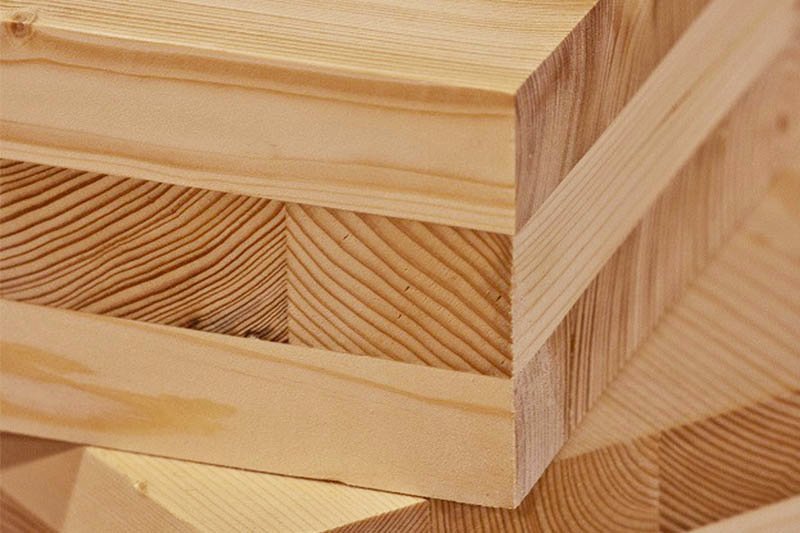
These natural materials are not only visually appealing but also provide excellent thermal performance. For projects seeking alternatives to traditional plastics, consider exploring uPVC alternatives eco friendly for windows and other building elements.
Recycled Metal Cladding
Aluminum and steel cladding made from recycled content are durable, lightweight, and highly recyclable at the end of their service life. Modern manufacturing processes minimize energy use and emissions, making these metals a responsible choice for high-performance facades. Their reflective surfaces can also help reduce solar heat gain, contributing to lower cooling loads in warm climates.
When selecting metal panels, look for products with Environmental Product Declarations (EPDs) and certifications verifying recycled content. Properly installed, metal cladding can last decades with minimal maintenance and can be paired with insulation systems for improved energy efficiency.
Bio-Based Innovations: Hempcrete and Natural Insulation
Bio-based facade materials, such as hempcrete panels and natural fiber insulation, are gaining traction for their low carbon footprint and healthy indoor air quality. Hempcrete, a mixture of hemp fibers and lime, offers excellent thermal regulation and moisture control. It is non-toxic, fire-resistant, and can be used as both a structural and insulating component in wall assemblies.
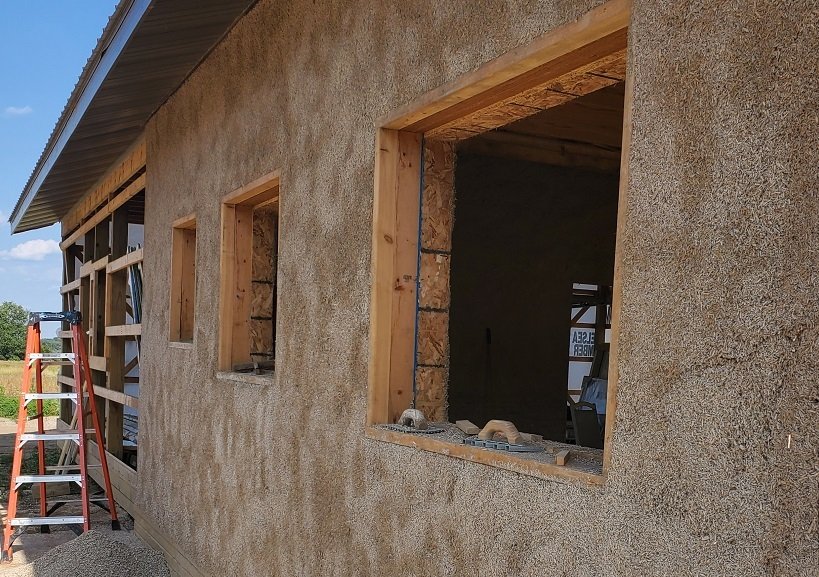
Natural insulation materials, such as sheep’s wool, cellulose, and cork, are also being used in facade systems to boost energy performance while avoiding the environmental drawbacks of conventional foam or fiberglass. These options are renewable, biodegradable, and often sourced from agricultural byproducts.
High-Performance Glass and Green Walls
Advancements in glazing technology have led to the development of high-performance glass with low-emissivity coatings, integrated shading, and dynamic tinting. These systems maximize daylight while minimizing heat transfer, supporting both energy savings and occupant well-being. Green walls—living facades composed of vegetation—further enhance building sustainability by improving air quality, reducing urban heat island effects, and providing natural insulation.
For those interested in optimizing window performance, resources on green window frame materials and thermal break window materials offer practical guidance for energy-efficient design.
Benefits of Using Sustainable Facade Materials
Adopting eco-friendly exterior solutions brings a range of advantages for both building owners and occupants. Some of the most notable benefits include:
- Reduced Environmental Impact: Lower embodied carbon, less resource extraction, and minimized waste.
- Improved Energy Efficiency: Enhanced thermal insulation and reduced heating/cooling demands.
- Healthier Indoor Environments: Non-toxic, low-emission materials promote better air quality.
- Long-Term Durability: Many sustainable options are highly resistant to weather, pests, and decay.
- Regulatory Compliance: Easier achievement of green building certifications and codes.
For a deeper dive into the advantages of green construction, see this overview of eco-friendly construction materials and their positive impact on the environment.
Practical Considerations for Material Selection
When choosing sustainable facade systems, it’s important to balance environmental benefits with project-specific needs. Consider the following factors:
- Climate Suitability: Select materials that perform well in local weather conditions, offering appropriate insulation and moisture control.
- Maintenance Requirements: Opt for solutions that require minimal upkeep and have a long service life.
- Availability and Sourcing: Prioritize locally sourced or rapidly renewable materials to reduce transportation emissions.
- Cost and Lifecycle Value: Evaluate initial costs alongside long-term savings from energy efficiency and durability.
- Design Flexibility: Ensure the chosen materials align with architectural goals and can be integrated with other building systems.
For entryways, consider eco friendly doors materials that complement sustainable facade choices and further enhance a building’s green credentials.
Frequently Asked Questions
What are the most popular sustainable facade materials used today?
Commonly used options include bamboo, engineered timber, recycled metal cladding, hempcrete panels, natural fiber insulation, and high-performance glass. The choice depends on project requirements, climate, and desired aesthetics.
How do green facade materials improve building performance?
They enhance thermal insulation, reduce energy consumption, improve indoor air quality, and often require less maintenance than conventional alternatives. Many also contribute to better occupant comfort and help buildings meet green certification standards.
Are eco-friendly facade materials more expensive than traditional ones?
While some sustainable options may have higher upfront costs, they often deliver long-term savings through energy efficiency, durability, and reduced maintenance. Incentives and certifications can also offset initial investments.