The construction industry is undergoing a major transformation as sustainability and environmental responsibility become central to design and building practices. Green building material innovation is at the heart of this shift, driving the adoption of new technologies and eco-friendly solutions that reduce carbon footprints, improve energy efficiency, and promote healthier living environments. From bio-based composites to smart insulation, the latest advancements are reshaping how we think about the materials that make up our homes, offices, and infrastructure.
As architects, builders, and homeowners look for ways to create more sustainable spaces, understanding the current trends in eco-conscious construction is essential. This article explores the most exciting developments in the field, highlights practical applications, and provides resources for those eager to embrace these changes. For a deeper dive into what’s coming next, you might also be interested in the future of sustainable construction materials and how they’re shaping tomorrow’s buildings.
Emerging Trends in Eco-Friendly Construction Materials
The push for green building material innovation has led to a surge in new products and methods that prioritize sustainability. These trends are not only reducing the environmental impact of construction but also offering improved performance and cost savings over time.
- Bio-based materials: Products derived from renewable sources, such as bamboo, hemp, and cork, are gaining popularity for their low embodied energy and rapid renewability.
- Recycled content: Incorporating recycled steel, glass, and plastics into building components helps divert waste from landfills and reduces the demand for virgin resources.
- Low-carbon concrete: Innovations in cement production, such as the use of fly ash or slag, are lowering the carbon emissions associated with traditional concrete.
- Smart insulation: High-performance insulation made from recycled fibers or plant-based foams improves energy efficiency and indoor comfort.
- Modular and prefabricated systems: Offsite construction techniques minimize waste and allow for more precise material usage.
These advances are making it easier for builders and designers to meet stringent green certification standards while delivering durable, attractive, and cost-effective structures.
Mass Timber and Engineered Wood: A Renewable Revolution

One of the most significant breakthroughs in sustainable construction is the rise of mass timber and engineered wood products. Cross-laminated timber (CLT), glue-laminated beams, and laminated veneer lumber are now being used to construct mid-rise and even high-rise buildings. These materials offer several advantages:
- They are made from sustainably harvested wood, a renewable resource that stores carbon throughout its life cycle.
- Prefabrication reduces on-site waste and speeds up construction timelines.
- Engineered wood components can match or exceed the strength of traditional steel and concrete, while being much lighter.
By using mass timber, builders can significantly lower the embodied carbon of new structures and support responsible forestry practices. This approach is especially relevant for projects aiming to achieve green certifications or meet ambitious climate goals.
Bio-Based and Recycled Materials: Expanding the Palette
The search for more sustainable alternatives has led to the development of materials that are both innovative and practical. Bio-based composites, such as hempcrete and mycelium-based panels, are gaining traction for their low environmental impact and unique properties.
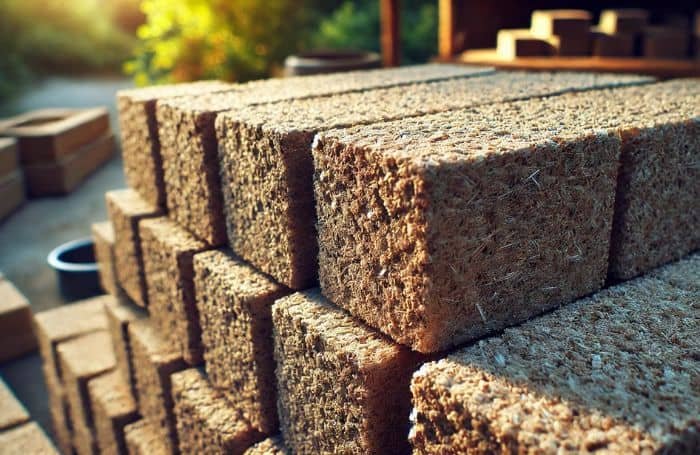
Hempcrete, a mixture of hemp fibers and lime, is lightweight, insulating, and naturally resistant to pests and mold. Its ability to sequester carbon during growth and throughout its use makes it an attractive option for eco-conscious builders. Similarly, mycelium—the root structure of fungi—can be grown into insulation panels and bricks that are biodegradable and fire-resistant.
Recycled materials are also making a difference. For example, insulation made from recycled denim or glass, and tiles produced from post-consumer ceramics, help close the loop on waste and reduce the need for new raw materials. These products are increasingly available and can be integrated into both new builds and renovations.
Smart and High-Performance Insulation Solutions
Energy efficiency is a key driver of green building material innovation. Advanced insulation materials are helping buildings maintain comfortable temperatures with less energy input, which translates to lower utility bills and reduced greenhouse gas emissions.
- Plant-based foams: Made from soy, castor oil, or other renewable sources, these foams offer high R-values and low toxicity compared to traditional petroleum-based products.
- Vacuum insulation panels: Ultra-thin and highly effective, these panels are ideal for retrofits where space is limited.
- Phase-change materials: These innovative products absorb and release heat as temperatures fluctuate, helping to regulate indoor climates naturally.
Choosing the right insulation is crucial for meeting energy codes and achieving green building certifications. For those interested in window and door solutions that complement these insulation strategies, see our guides on green window frame materials and eco friendly doors materials.
Innovative Concrete and Masonry Alternatives
Traditional concrete is a major source of global CO2 emissions, but new approaches are making it more sustainable. Low-carbon concrete uses industrial byproducts like fly ash or slag to replace a portion of Portland cement, significantly reducing the material’s carbon footprint. Other innovations include:
- Geopolymer concrete: Made from aluminosilicate materials, this alternative emits far less CO2 during production.
- Recycled aggregate: Using crushed concrete and other recycled materials as aggregate reduces the need for new extraction and landfill disposal.
- Permeable pavers: These allow water to filter through, reducing runoff and supporting groundwater recharge.
These solutions are being adopted in both commercial and residential projects, helping to create more resilient and environmentally responsible communities.
Certifications, Standards, and Market Adoption
As demand for sustainable construction grows, third-party certifications and standards play a crucial role in verifying the environmental performance of new materials. Programs like LEED, BREEAM, and WELL are encouraging the use of products that meet strict criteria for resource efficiency, indoor air quality, and lifecycle impacts.
Manufacturers are responding with transparent Environmental Product Declarations (EPDs) and certifications such as FSC for wood products. This transparency helps architects and builders make informed choices and ensures that green claims are backed by real data.
For a comprehensive overview of sustainable options, explore this guide to sustainable building materials and see how the market is evolving to support eco-friendly construction.
Challenges and Opportunities in the Path Forward
Despite the rapid pace of green building material innovation, challenges remain. Cost, availability, and familiarity can be barriers to widespread adoption, especially in regions where traditional materials dominate. However, as production scales up and regulations tighten, prices are expected to become more competitive.
Education and collaboration across the construction value chain are essential. Designers, builders, and suppliers must work together to specify, source, and install new materials effectively. Incentives from governments and green building programs can also accelerate the transition.
Looking ahead, the integration of digital tools—such as Building Information Modeling (BIM) and lifecycle analysis software—will further support the adoption of sustainable materials by providing data-driven insights and streamlining project workflows.
FAQ: Green Building Material Innovation Explained
What are the main benefits of using innovative green building materials?
Modern eco-friendly materials offer reduced environmental impact, improved energy efficiency, healthier indoor air quality, and often lower long-term operating costs. They also help projects meet green certification standards and support broader climate goals.
Are sustainable building materials more expensive than traditional options?
While some advanced materials may have higher upfront costs, many offer savings over time through improved durability and energy efficiency. As demand increases and production scales, prices are becoming more competitive with conventional products.
How can I ensure the materials I choose are truly sustainable?
Look for third-party certifications (such as FSC, LEED, or EPDs), request transparency from suppliers, and prioritize products with recycled or renewable content. For more on eco-friendly options, see our article on uPVC alternatives eco friendly.
Where can I learn more about the future of sustainable construction?
Stay updated by following resources like our future of sustainable construction materials guide, which covers upcoming trends and technologies in the industry.
Green building material innovation is rapidly transforming the construction sector, offering practical solutions for a more sustainable future. By staying informed and making conscious choices, everyone—from industry professionals to homeowners—can contribute to a healthier planet and more resilient communities.