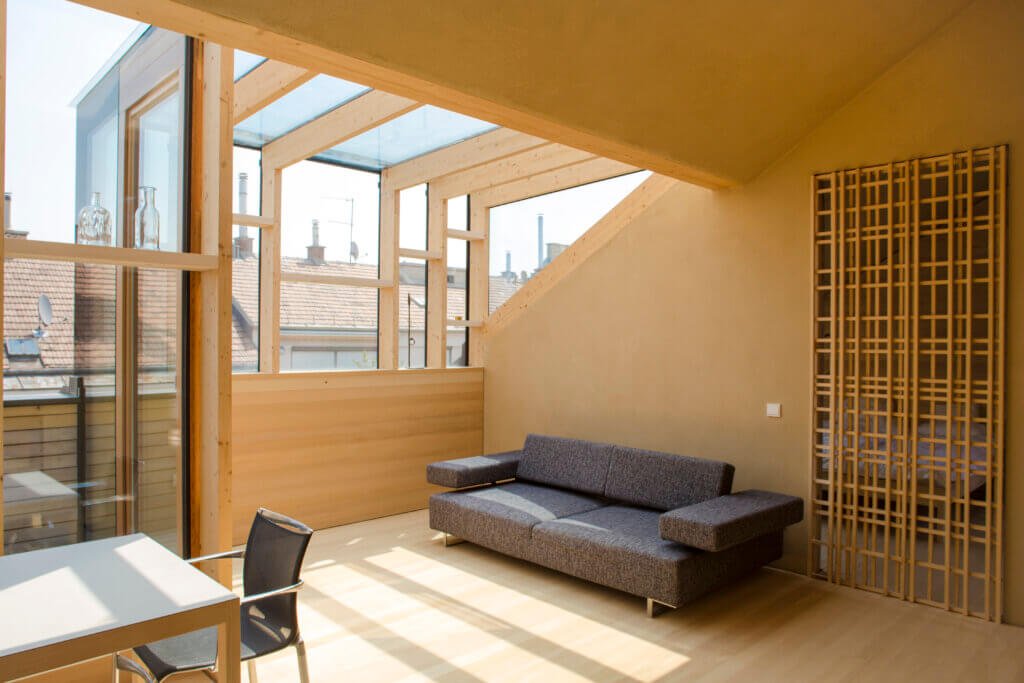
Choosing the right material for your building’s outer shell has never been more important. As environmental awareness grows, architects, homeowners, and builders are increasingly turning to eco friendly exterior cladding to combine visual appeal with responsible construction. These sustainable solutions not only reduce environmental impact but also offer durability, energy efficiency, and a modern look for homes and commercial properties alike.
Whether you’re planning a new build or renovating an existing structure, understanding the benefits and options for green cladding can help you make choices that are both stylish and kind to the planet. This article explores the latest trends, materials, and practical considerations for those interested in sustainable façade solutions. For a deeper dive into innovative materials shaping tomorrow’s buildings, check out the future of sustainable construction materials and how they’re redefining the industry.
Why Choose Sustainable Cladding for Your Facade?
Opting for eco friendly exterior cladding is about more than just aesthetics. The right materials can significantly reduce a building’s carbon footprint, improve insulation, and lower long-term maintenance costs. Here are some key reasons to consider green cladding options:
- Reduced Environmental Impact: Many sustainable cladding materials are made from recycled, renewable, or rapidly renewable resources, helping to conserve natural resources and minimize waste.
- Improved Energy Efficiency: High-performance cladding systems can enhance a building’s thermal envelope, reducing heating and cooling demands.
- Durability and Low Maintenance: Many green materials are designed to withstand harsh weather, resist pests, and require less upkeep over time.
- Healthier Indoor Environment: Non-toxic and low-emission materials contribute to better air quality inside the building.
For those interested in the latest advancements, the green building material innovation landscape is rapidly evolving, offering more choices than ever before.
Popular Materials for Eco-Conscious Cladding
There’s a wide range of sustainable cladding options available, each with unique benefits and considerations. Here are some of the most popular choices for environmentally responsible facades:
Timber and Engineered Wood Products
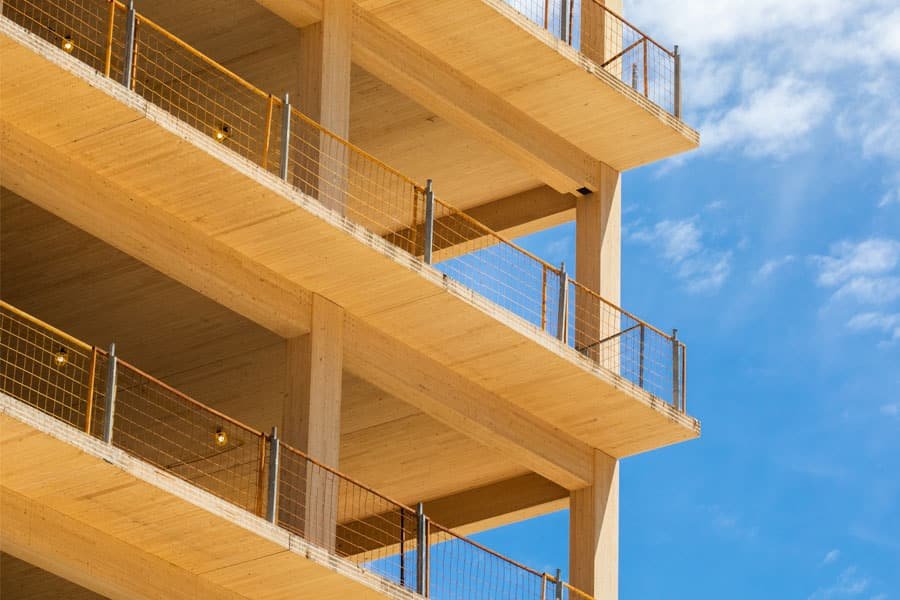
Wood remains a favorite for its natural beauty and renewable nature. Responsibly sourced timber, such as FSC-certified wood, ensures forests are managed sustainably. Engineered wood products like cross-laminated timber (CLT) and wood composites offer enhanced durability and resistance to moisture, making them suitable for a variety of climates.
Bamboo and Other Rapidly Renewable Resources
Bamboo is gaining popularity as a cladding material due to its rapid growth rate and strength. It’s a highly renewable resource that can be harvested in just a few years, making it an excellent choice for those seeking a low-impact solution. Other fast-growing plants, such as cork, are also being used in innovative façade systems.
Recycled Metal and Composite Panels
Aluminum and steel panels made from recycled content are durable, lightweight, and fully recyclable at the end of their life cycle. These materials often come with protective coatings that extend their lifespan and reduce maintenance needs. Composite panels, which combine recycled plastics and wood fibers, offer additional design flexibility and weather resistance.
Natural Stone and Brick Alternatives
While traditional stone and brick can be energy-intensive to produce, there are now eco-friendly alternatives made from recycled aggregates or low-impact manufacturing processes. These materials provide the classic look of masonry with a smaller environmental footprint.
For more on how these materials are being integrated into contemporary architecture, see the guide on sustainable facade materials for green building design.
Key Features of Green Cladding Systems
Sustainable cladding isn’t just about the material itself—it’s also about how it’s installed and how it performs over time. Here are some features to look for when evaluating eco-conscious façade systems:
- Ventilation: Systems like ventilated facade eco friendly systems help regulate temperature and moisture, improving energy efficiency and extending the lifespan of the building envelope.
- Insulation: Many green cladding options integrate high-performance insulation, reducing heat loss and improving comfort.
- Low VOC Finishes: Choose products with finishes that emit little or no volatile organic compounds (VOCs) to protect indoor air quality.
- Modular Design: Prefabricated or modular panels can minimize waste during installation and allow for easy replacement or recycling at end of life.
Installation and Maintenance Considerations
When selecting a sustainable cladding system, it’s important to consider not just the material but also the installation process and long-term care. Many eco-friendly options are designed for straightforward installation, reducing labor costs and construction waste. Maintenance requirements also vary—while some materials like treated timber may need periodic sealing, others such as recycled metal panels require minimal upkeep.
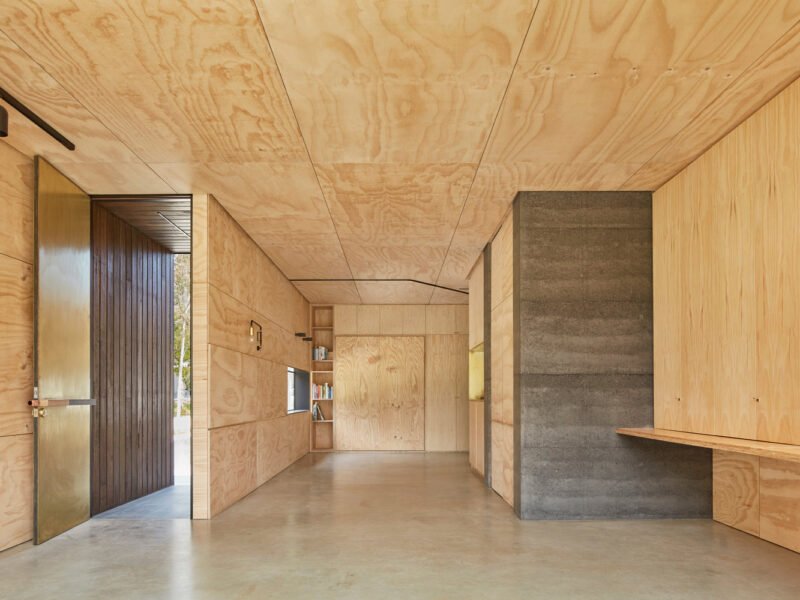
It’s also wise to consider the full life cycle of your chosen material. Look for products that can be recycled or safely disposed of at the end of their use. If you’re interested in how entryways can complement a green façade, explore options for eco friendly doors materials to complete your sustainable exterior.
How to Select the Right Sustainable Cladding for Your Project
With so many options available, making the right choice for your building’s exterior can feel overwhelming. Here are some practical steps to guide your decision:
- Assess Your Climate: Some materials perform better in certain weather conditions. For example, timber may need extra protection in wet climates, while metal panels can be ideal for areas prone to fire.
- Check Certifications: Look for third-party certifications such as FSC, PEFC, or Cradle to Cradle, which indicate responsible sourcing and manufacturing.
- Consider Local Availability: Sourcing materials locally can reduce transportation emissions and support regional economies.
- Balance Cost and Longevity: While some green materials may have a higher upfront cost, their durability and low maintenance can lead to savings over time.
- Consult with Professionals: Architects and builders experienced in sustainable construction can help you navigate options and ensure your project meets both aesthetic and environmental goals.
For further reading on why green construction matters and how it can benefit your project, see this overview of eco-friendly construction and its importance.
Frequently Asked Questions
What makes a cladding material eco-friendly?
Materials are considered eco-friendly when they are sourced sustainably, have low embodied energy, are recyclable or biodegradable, and contribute to energy efficiency. Certifications and life cycle assessments can help verify a product’s environmental credentials.
Is sustainable cladding more expensive than traditional options?
While some green cladding systems may have higher initial costs, they often result in lower maintenance and energy expenses over time. The long-term savings and environmental benefits can outweigh the upfront investment.
Can eco-conscious cladding improve a building’s energy efficiency?
Yes, many sustainable façade systems are designed to enhance insulation and regulate temperature, which can significantly reduce heating and cooling needs. Features like ventilated cavities and integrated insulation contribute to better energy performance.
Conclusion
Embracing eco friendly exterior cladding is a practical step toward a more sustainable built environment. By selecting the right materials and systems, you can create a façade that is not only visually striking but also environmentally responsible and cost-effective over its lifespan. As the demand for green construction grows, the range of stylish, high-performance options will only continue to expand, making it easier than ever to build with the future in mind.