Choosing sustainable construction materials is no longer just a trend—it’s a practical decision for homeowners, builders, and developers who want to reduce their environmental impact. But one of the most common concerns is the cost of eco friendly building materials compared to conventional options. Understanding the real price difference, long-term savings, and value of these materials is essential for anyone planning a green building project.
This article provides a transparent look at the expenses involved, compares popular sustainable products, and helps you decide if the investment is worthwhile. If you’re also interested in how to care for these materials over time, check out our guide on maintenance of green building materials for practical tips.
Understanding the Price Tag: Why Sustainable Materials May Cost More
When evaluating the cost of eco friendly building materials, it’s important to look beyond the sticker price. Many sustainable products have higher upfront costs due to factors like:
- Responsible sourcing and certification processes
- Lower economies of scale compared to mass-produced traditional materials
- Advanced manufacturing techniques for improved energy efficiency or durability
- Transportation costs for specialty or imported products
However, these initial expenses often come with benefits such as improved energy performance, healthier indoor air, and reduced maintenance needs. Over time, these advantages can offset the higher purchase price.
Comparing Common Green Building Materials and Their Costs
To help you make informed decisions, here is a side-by-side look at popular sustainable materials and how their costs stack up against conventional choices:
| Material | Eco-Friendly Option (per sq ft) | Traditional Option (per sq ft) | Notes |
|---|---|---|---|
| Bamboo Flooring | $5–$10 | Hardwood: $3–$8 | Rapidly renewable, durable, lower VOCs |
| Recycled Insulation | $0.75–$1.50 | Fiberglass: $0.50–$1.20 | Better air quality, often higher R-value |
| Low-VOC Paint | $30–$60/gallon | Standard Paint: $20–$50/gallon | Improved indoor air, fewer toxins |
| Recycled Steel | $2–$4 | Standard Steel: $1–$3 | Lower embodied energy, highly durable |
| Rammed Earth Walls | $70–$120 | Concrete Block: $50–$100 | Thermal mass, low carbon footprint |
Prices vary by region, supplier, and project size. While eco-friendly materials can be pricier, they often deliver value through durability, energy savings, and environmental benefits.
Factors That Affect the Cost of Sustainable Building Products
Several variables influence the final price you pay for green construction materials:
- Certification: Products with third-party certifications (like FSC, Greenguard, or Cradle to Cradle) may cost more due to rigorous standards.
- Availability: Locally sourced materials can reduce transportation costs, while imported or specialty items may be more expensive.
- Installation: Some eco-friendly products require specialized labor or tools, which can add to project costs.
- Project Scale: Bulk purchasing or using materials across multiple projects can help lower per-unit costs.
It’s also worth considering the role of innovative systems. For example, using ventilated facade eco friendly systems can improve energy efficiency, potentially reducing long-term operational costs.
Long-Term Value: Savings and Benefits Beyond the Initial Price
While the upfront cost of eco friendly building materials can be higher, it’s important to factor in the long-term financial and environmental returns:
- Energy Efficiency: Many green materials, such as high-performance insulation or low-emissivity windows, reduce heating and cooling bills.
- Durability: Sustainable products like recycled steel or composite decking often last longer, reducing replacement and repair costs.
- Healthier Living: Low-VOC paints and natural flooring improve indoor air quality, potentially reducing healthcare expenses.
- Resale Value: Green-certified homes and buildings often command higher resale prices and attract eco-conscious buyers.
When planning your project, consider the total cost of ownership, not just the purchase price. Over time, the investment in sustainable materials can pay off through lower utility bills, fewer repairs, and a healthier environment.
How to Save Money on Sustainable Construction Materials
There are several strategies to make eco-friendly building more affordable:
- Source Locally: Using local materials reduces shipping costs and supports the regional economy.
- Compare Suppliers: Prices can vary significantly, so get multiple quotes and look for sales or surplus deals.
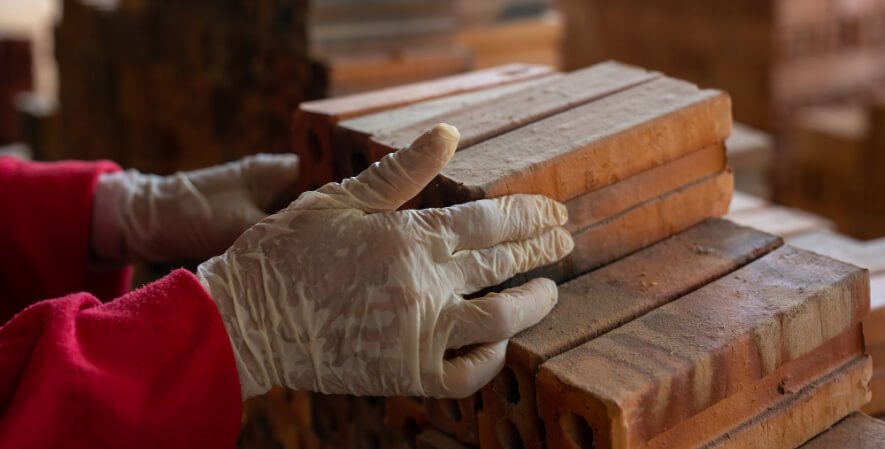
- Use Recycled or Reclaimed Products: Salvaged wood, bricks, or metal can be both sustainable and budget-friendly.
- Focus on High-Impact Areas: If your budget is limited, prioritize areas like insulation, windows, and flooring for the biggest return.
- Leverage Incentives: Look for rebates, tax credits, or grants for green building projects in your area.
For more inspiration, see this comprehensive list of eco-friendly building materials to explore additional options and price points.
Case Study: Real-World Examples of Sustainable Material Costs
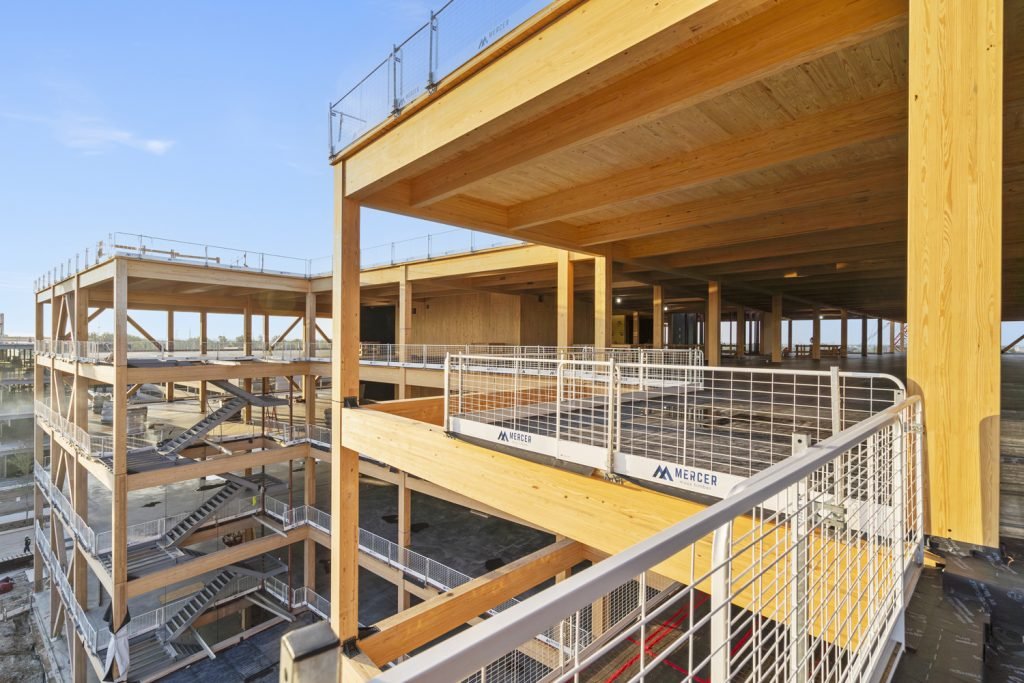
Many commercial and residential projects have successfully integrated green materials without breaking the bank. For example, modern buildings using sustainable facade materials often achieve better energy performance and lower maintenance costs, even if the initial investment is higher. Homeowners who opt for bamboo flooring or recycled insulation typically report improved comfort and lower utility bills within a few years.
Making the Right Choice for Your Project
Deciding whether to invest in green materials depends on your goals, budget, and project type. For some, the environmental benefits and long-term savings outweigh the higher upfront costs. For others, a hybrid approach—using sustainable products in key areas—can strike the right balance between cost and impact.
It’s also worth exploring innovative options like eco friendly exterior cladding or new green building material innovation to find solutions that fit your needs and budget.
FAQ
Are eco-friendly building materials always more expensive?
Not always. While many green products have higher upfront costs, some—like recycled materials or reclaimed wood—can be comparable or even cheaper than traditional options. The price depends on factors like availability, certification, and local market conditions.
Do sustainable materials really save money in the long run?
Yes, in many cases. Materials that improve energy efficiency or last longer can reduce utility bills and maintenance costs, leading to savings over the life of the building.
How can I find affordable green building products?
Look for local suppliers, consider recycled or surplus materials, and focus on high-impact areas like insulation and windows. Researching incentives and rebates in your area can also help offset costs.