The construction sector is undergoing a significant transformation as sustainability becomes a top priority. With growing awareness of climate change and resource depletion, builders, architects, and developers are embracing eco friendly construction industry trends that reduce environmental impact, improve efficiency, and support healthier living environments. This article explores the most important shifts shaping green building practices, from innovative materials to smarter energy solutions.
Whether you’re a professional in the field or a homeowner interested in sustainable design, understanding these developments can help you make informed decisions and stay ahead in a rapidly evolving industry. For those looking to maintain their investment, our guide on maintenance of green building materials offers practical tips for longevity and performance.
Innovative Sustainable Materials Leading the Way
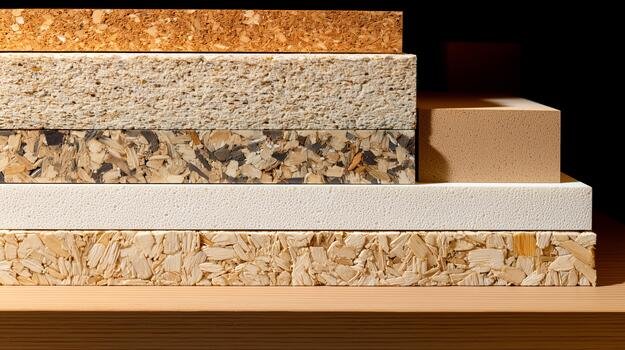
One of the most dynamic areas of progress is the use of sustainable building materials. Traditional construction often relies on concrete, steel, and plastics, which have high embodied energy and carbon footprints. In contrast, new materials are designed to be renewable, recyclable, and less polluting.
- Bamboo: Fast-growing and highly renewable, bamboo is now used for flooring, structural elements, and even wall panels.
- Recycled Wood and Composite Boards: Products made from reclaimed wood or compressed sawdust reduce waste and support circular economy principles.
- Low-Carbon Concrete: Innovations in cement chemistry and the use of industrial byproducts are helping to cut emissions from concrete production.
- Natural Insulation: Materials like sheep’s wool, cellulose, and cork offer excellent thermal performance with minimal environmental impact.
For a deeper dive into the latest advances, see our article on green building material innovation and how technology is shaping tomorrow’s structures.
Energy Efficiency and Smart Building Technologies
Reducing energy consumption is central to green construction. Modern projects increasingly incorporate smart building systems and high-performance insulation to lower heating and cooling needs. Key trends include:
- Passive House Design: Buildings are oriented and insulated to minimize energy loss, often achieving up to 90% reductions in heating demand.
- Solar Integration: Rooftop solar panels and building-integrated photovoltaics are becoming standard features, allowing structures to generate their own clean power.
- Automated Controls: Sensors and smart thermostats optimize lighting, HVAC, and water usage based on occupancy and weather conditions.
- LED Lighting: Highly efficient and long-lasting, LEDs are replacing traditional bulbs in both commercial and residential settings.
These measures not only cut utility costs but also improve indoor comfort and air quality, supporting healthier living and working environments.

Low-Impact Design and Green Building Certifications
As eco friendly construction industry trends evolve, there is a growing emphasis on holistic design strategies and third-party certifications. These frameworks encourage builders to consider the entire lifecycle of a building, from site selection to demolition.
- LEED and BREEAM: Widely recognized certification systems that set benchmarks for energy use, water efficiency, and material sourcing.
- WELL Building Standard: Focuses on occupant health, including air quality, lighting, and access to nature.
- Net Zero and Carbon Neutral Goals: More projects are aiming for net zero energy or carbon, meaning they produce as much energy as they consume or offset their emissions entirely.
Certification not only demonstrates environmental responsibility but can also increase property value and attract eco-conscious tenants or buyers.
Prefabrication and Modular Construction
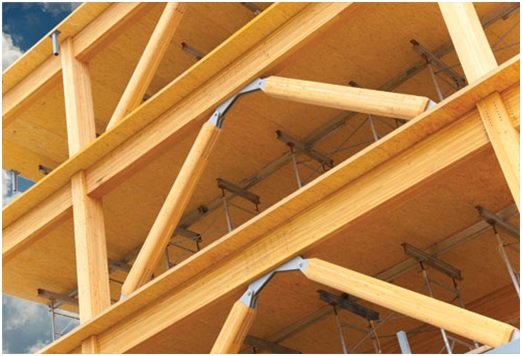
Off-site construction methods are gaining traction for their efficiency and reduced waste. Prefabricated and modular buildings are assembled in controlled factory environments, which allows for:
- Lower material waste and better recycling of offcuts
- Shorter construction timelines and less disruption to local ecosystems
- Improved quality control and safety for workers
These approaches are especially popular for affordable housing, schools, and commercial developments seeking to minimize their environmental footprint.
Biophilic Design and Healthier Interiors
Recent years have seen a surge in biophilic design, which aims to connect building occupants with nature. This approach not only enhances well-being but also supports sustainability by:
- Maximizing natural daylight and ventilation
- Incorporating living walls, green roofs, and indoor plants
- Using non-toxic, low-VOC materials for better indoor air quality
Biophilic elements are increasingly featured in offices, schools, and homes, reflecting a broader movement toward healthier, more resilient spaces.
Embracing Circular Economy Principles
The shift from a “take-make-dispose” model to a circular economy is influencing how buildings are designed, constructed, and deconstructed. Key strategies include:
- Designing for disassembly, so materials can be reused or recycled at end of life
- Specifying products with recycled content or those that are easily recyclable
- Implementing construction waste management plans to divert debris from landfills
For more on sustainable facades and exterior solutions, check out our resources on eco friendly exterior cladding and sustainable facade materials.
Government Policies and Incentives
Regulations and incentives are accelerating the adoption of eco friendly construction industry trends. Many governments now require energy-efficient standards for new buildings, offer tax breaks for green upgrades, or provide grants for renewable energy systems. These policies are making it easier and more cost-effective for builders and property owners to choose sustainable options.
For an in-depth look at sustainable building materials and their applications, see this comprehensive guide to sustainable building materials.
Challenges and Opportunities Ahead
While the movement toward greener construction is strong, challenges remain. Upfront costs for some sustainable materials and technologies can be higher, and there is a learning curve for adopting new practices. However, as demand grows and supply chains mature, prices are expected to fall and expertise to increase.
There are also significant opportunities for innovation, collaboration, and leadership in this space. By staying informed about the latest trends and best practices, industry professionals and consumers alike can contribute to a more sustainable built environment.
FAQ: Common Questions About Green Building Trends
What are the most popular sustainable materials in construction today?
Some of the most widely used materials include bamboo, recycled wood composites, low-carbon concrete, and natural insulation products like wool and cellulose. These options offer durability, lower environmental impact, and improved indoor air quality.
How do green building certifications benefit property owners?
Certifications such as LEED and BREEAM provide third-party validation of a building’s sustainability. They can increase property value, attract tenants or buyers, and often result in lower operating costs due to improved energy and water efficiency.
Is it more expensive to build sustainably?
While some eco-friendly materials and technologies may have higher upfront costs, they often lead to savings over time through reduced energy bills, maintenance, and potential incentives. The long-term benefits typically outweigh the initial investment.