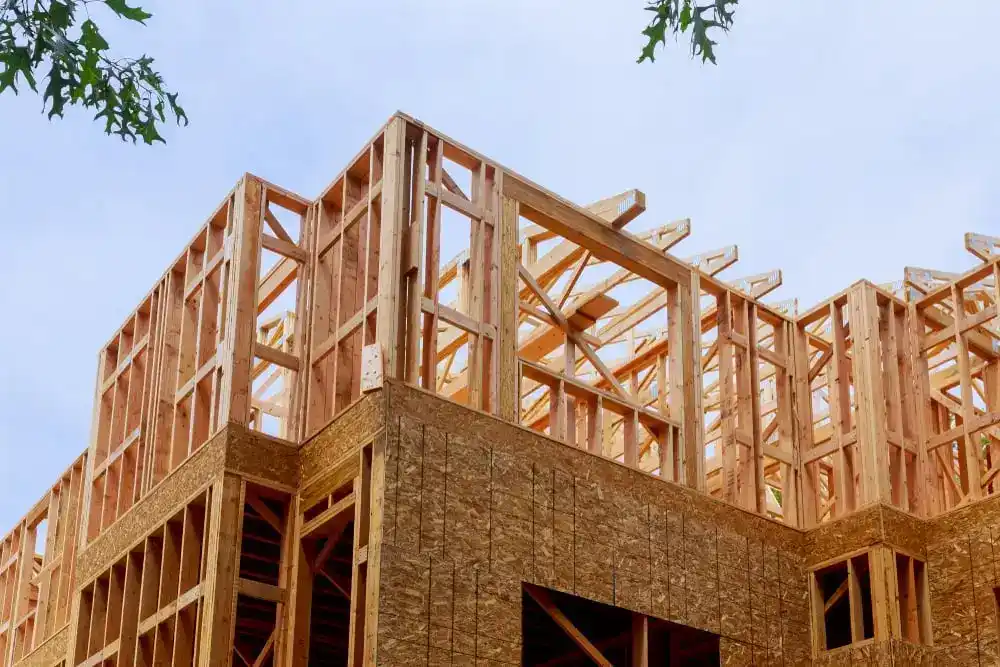
The construction industry is undergoing a significant transformation as builders, architects, and homeowners increasingly prioritize environmentally friendly solutions. One of the most important considerations in this shift is the durability of sustainable materials in construction. While eco-friendly products are often chosen for their low environmental impact, their long-term performance is equally critical to ensure buildings remain safe, efficient, and cost-effective over time.
Understanding how green building materials stand up to the elements, wear and tear, and the demands of modern construction is essential for anyone considering a sustainable project. This article explores the factors that influence the longevity of eco-conscious materials, compares them to traditional options, and offers practical insights for maximizing their lifespan.
For those interested in keeping their eco-friendly investments in top shape, our maintenance of green building materials guide offers practical tips for extending the life of sustainable products.
What Makes a Material Sustainable and Durable?
When discussing the durability of sustainable materials in construction, it’s important to define what makes a material both eco-friendly and long-lasting. Sustainable building materials are typically sourced responsibly, have a low carbon footprint, and are either renewable or recyclable. However, for a material to be truly effective in construction, it must also withstand physical, chemical, and environmental stressors over time.
- Resistance to weathering: Materials should stand up to rain, sun, wind, and temperature fluctuations without rapid degradation.
- Structural integrity: They must maintain their strength and shape under load and over years of use.
- Low maintenance requirements: Durable materials require less frequent repairs or replacements, reducing both costs and resource consumption.
- Health and safety: Non-toxic, mold-resistant, and fire-resistant properties contribute to both sustainability and longevity.
Examples of sustainable yet durable materials include bamboo, recycled steel, rammed earth, engineered timber, and advanced insulation products.
Comparing Longevity: Green Materials vs. Traditional Options
One common concern is whether eco-friendly products can match or surpass the lifespan of conventional options like concrete, brick, or PVC. The answer depends on the specific material and its application, but many sustainable choices have proven to be exceptionally robust.
- Bamboo: When properly treated, bamboo rivals hardwoods in strength and can last decades as flooring, paneling, or structural elements.
- Recycled steel: Steel made from recycled content offers the same durability as virgin steel, resisting corrosion and pests.
- Rammed earth: This ancient technique creates walls that can last for centuries with minimal maintenance, provided they are protected from excessive moisture.
- Engineered timber: Products like cross-laminated timber (CLT) are designed for strength and stability, making them suitable for large-scale construction.
- Natural insulation: Materials such as cellulose, sheep’s wool, and fiberglass rolls are not only energy-efficient but also resist settling and degradation when installed correctly.
For a deeper look at the financial implications, see our honest comparison of the cost of eco friendly building materials.
Key Factors Affecting the Lifespan of Eco-Friendly Building Products
Several variables influence how long sustainable materials last in real-world conditions:
- Climate and exposure: Humidity, temperature swings, and UV radiation can accelerate aging. Choosing materials suited to the local environment is crucial.
- Installation quality: Even the most robust material can fail if not installed according to best practices. Proper sealing, anchoring, and protection are essential.
- Maintenance: Regular inspections and timely repairs help prevent minor issues from becoming major problems. Some green materials, like treated bamboo or recycled composites, require specific care routines.
- Material composition: Additives, treatments, and manufacturing processes can enhance resistance to pests, mold, and fire.
For example, mass timber structures benefit from precision engineering and protective finishes, while natural stone or earth-based walls may need periodic sealing in wet climates.
Popular Durable Green Materials and Their Applications
Below are some of the most widely used sustainable building products known for their resilience:
| Material | Typical Uses | Durability Features |
|---|---|---|
| Bamboo | Flooring, wall panels, structural beams | High tensile strength, pest-resistant when treated |
| Recycled Steel | Framing, roofing, cladding | Corrosion-resistant, non-combustible |
| Rammed Earth | Walls, thermal mass structures | Exceptional longevity, low maintenance |
| Engineered Timber (CLT, Glulam) | Beams, columns, floors | Dimensional stability, fire resistance |
| Fiberglass Insulation | Walls, attics, floors | Moisture-resistant, does not settle easily |
To learn more about the role of exterior finishes, see our article on eco friendly exterior cladding for sustainable facades.
How to Maximize the Lifespan of Sustainable Materials
Getting the most out of green building products requires a proactive approach:
- Choose region-appropriate materials: Select products proven to perform well in your local climate and environmental conditions.
- Follow manufacturer guidelines: Adhere to recommended installation and maintenance practices to avoid premature failure.
- Apply protective treatments: Use sealants, stains, or coatings where appropriate to shield materials from moisture, UV, and pests.
- Schedule regular inspections: Early detection of wear, leaks, or damage allows for timely repairs and extends service life.
- Integrate with smart design: Combining durable materials with passive design strategies (like rain screens or ventilated facades) can further enhance longevity. For more, explore ventilated facade eco friendly systems.
Case Study: Mass Timber and Engineered Wood
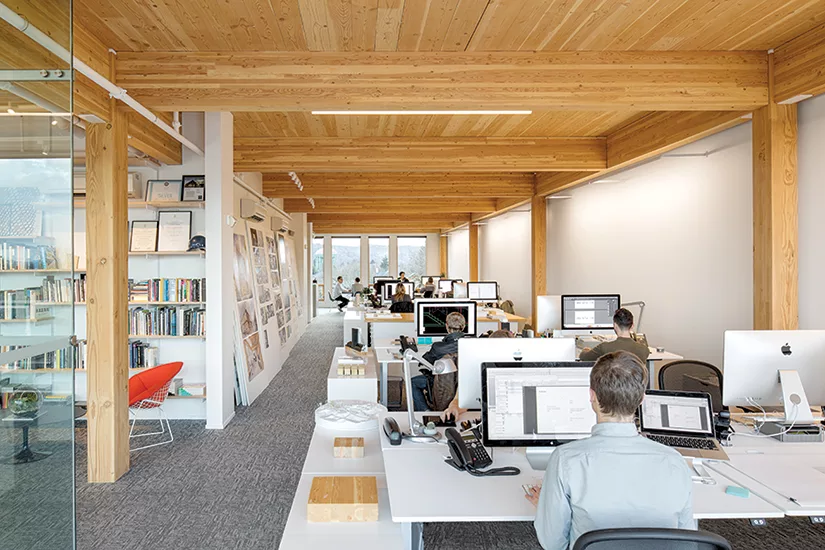
Mass timber, including cross-laminated timber (CLT) and glue-laminated beams, is gaining popularity for its strength, sustainability, and aesthetic appeal. These products are engineered for consistency and can be used in mid-rise and even high-rise buildings. When protected from prolonged moisture and installed with proper detailing, mass timber structures have demonstrated lifespans comparable to concrete or steel buildings.
Challenges and Considerations for Long-Term Performance
While sustainable materials offer many benefits, there are challenges to consider:
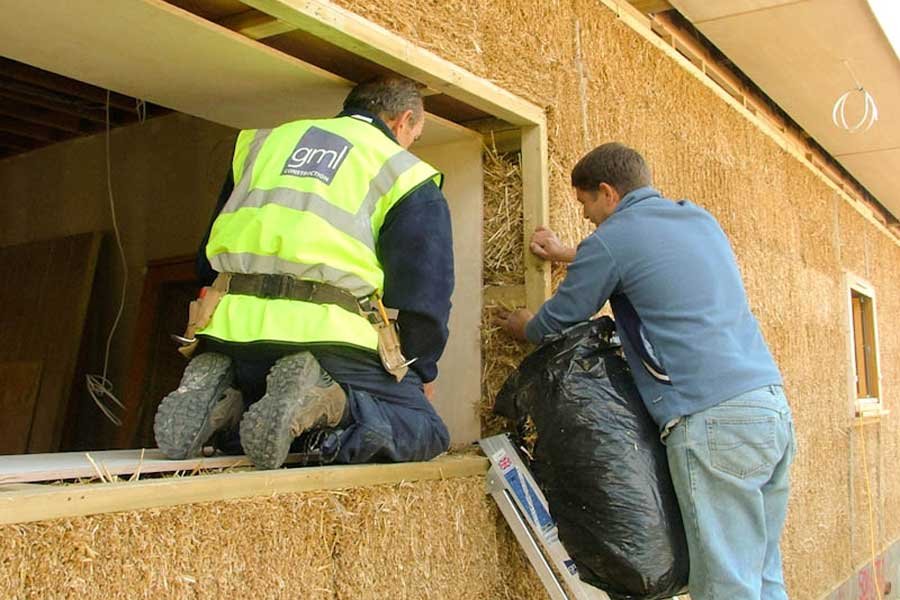
- Moisture sensitivity: Some natural products, like untreated wood or straw, can be vulnerable to rot or mold if not protected.
- Availability and consistency: Sourcing high-quality, certified sustainable materials may be more difficult in some regions.
- Initial cost: Although many green materials are cost-competitive over their lifespan, upfront expenses can be higher. For a detailed breakdown, see our comparison of the cost of eco friendly building materials.
- Knowledge gap: Builders and contractors may need additional training to work with new materials and methods.
Despite these challenges, advances in manufacturing, certification, and building science continue to improve the reliability and accessibility of green products. For more insight, the overview of eco-friendly materials in sustainable construction provides a global perspective on innovation and best practices.
FAQ
Are sustainable building materials as strong as traditional materials?
Many eco-friendly products, such as engineered timber, recycled steel, and rammed earth, offer strength and durability on par with or exceeding traditional materials. The key is to select the right product for the intended use and ensure proper installation and maintenance.
How can I ensure my green building materials last as long as possible?
Follow manufacturer recommendations, use protective treatments, and schedule regular inspections. Choosing materials suited to your climate and integrating them with smart building design will also help maximize their lifespan.
Do sustainable materials require more maintenance?
Some natural products may need specific care, such as periodic sealing or protection from moisture. However, many modern sustainable materials are engineered for low maintenance and long-term performance, often requiring less upkeep than conventional options.