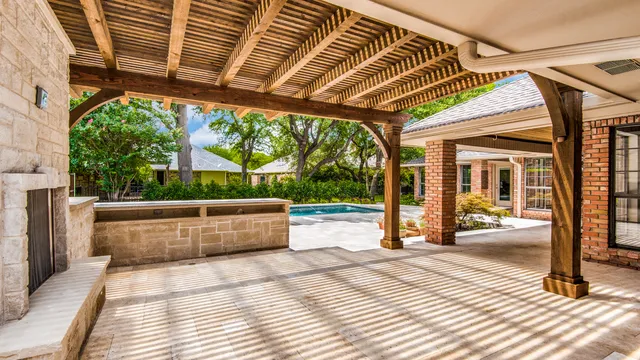
As global weather patterns shift and extreme events become more frequent, the construction industry faces new challenges. Selecting climate resilient building materials is now a top priority for architects, builders, and property owners alike. These advanced materials are designed to withstand harsh conditions, reduce environmental impact, and ensure the longevity of structures in unpredictable climates.
Understanding which materials offer the best performance under stress—and how to integrate them into modern projects—can make a significant difference in both safety and sustainability. This article explores the most effective options, their benefits, and practical considerations for anyone interested in future-proofing their buildings.
For those seeking to extend the lifespan of their eco-friendly investments, our guide on maintenance of green building materials offers practical tips to keep resilient structures in top shape over time.
Why Resilient Materials Matter in Modern Construction
Buildings today must endure not only the test of time but also the growing intensity of storms, heatwaves, flooding, and wildfires. Using climate resilient building materials helps reduce repair costs, protect occupants, and minimize downtime after extreme events. These materials are engineered or selected for their ability to resist moisture, temperature swings, wind, and even biological threats like mold or pests.
Incorporating such materials also supports broader sustainability goals by lowering energy consumption, reducing waste, and often utilizing renewable or recycled resources. As regulations and insurance requirements evolve, choosing resilient options is becoming a necessity rather than a luxury.
Key Features of Climate-Ready Construction Materials
When evaluating materials for resilience, several properties stand out:
- Durability: Resistance to wear, impact, and environmental degradation.
- Water Resistance: Ability to repel or withstand prolonged exposure to moisture.
- Thermal Stability: Performance under extreme heat or cold without warping or failing.
- Fire Resistance: Materials that slow or prevent the spread of flames.
- Low Embodied Carbon: Preference for products with minimal greenhouse gas emissions during production.
These characteristics ensure that buildings remain safe, functional, and efficient even as climate conditions change.
Popular Climate Resilient Materials for Construction
The market offers a growing range of products designed with resilience in mind. Here are some of the most widely adopted options:
Engineered Timber and Mass Timber Products
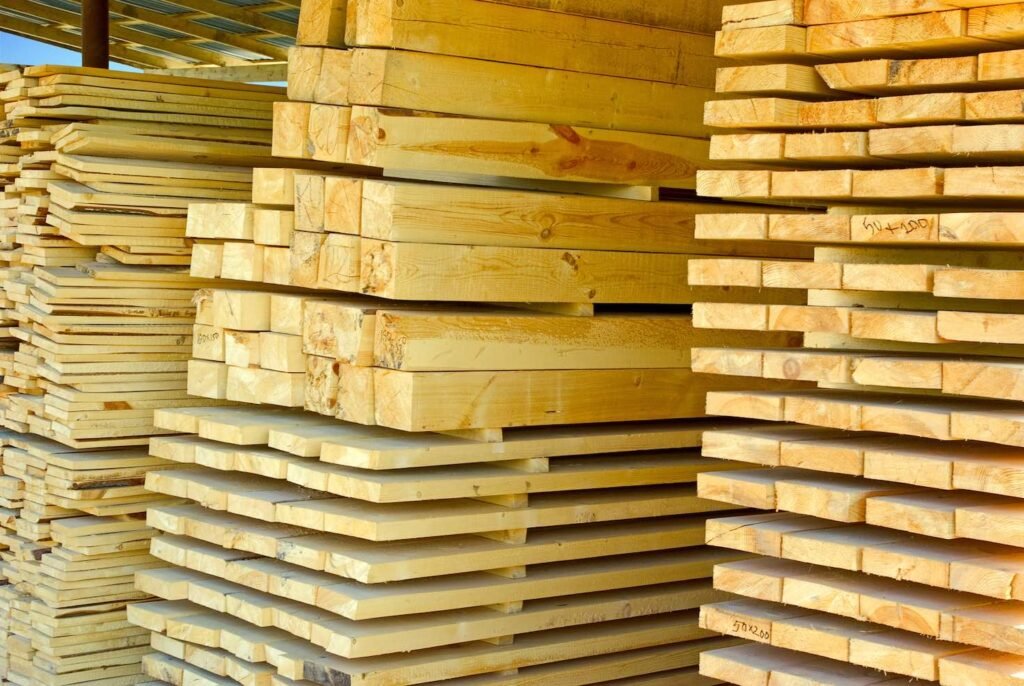
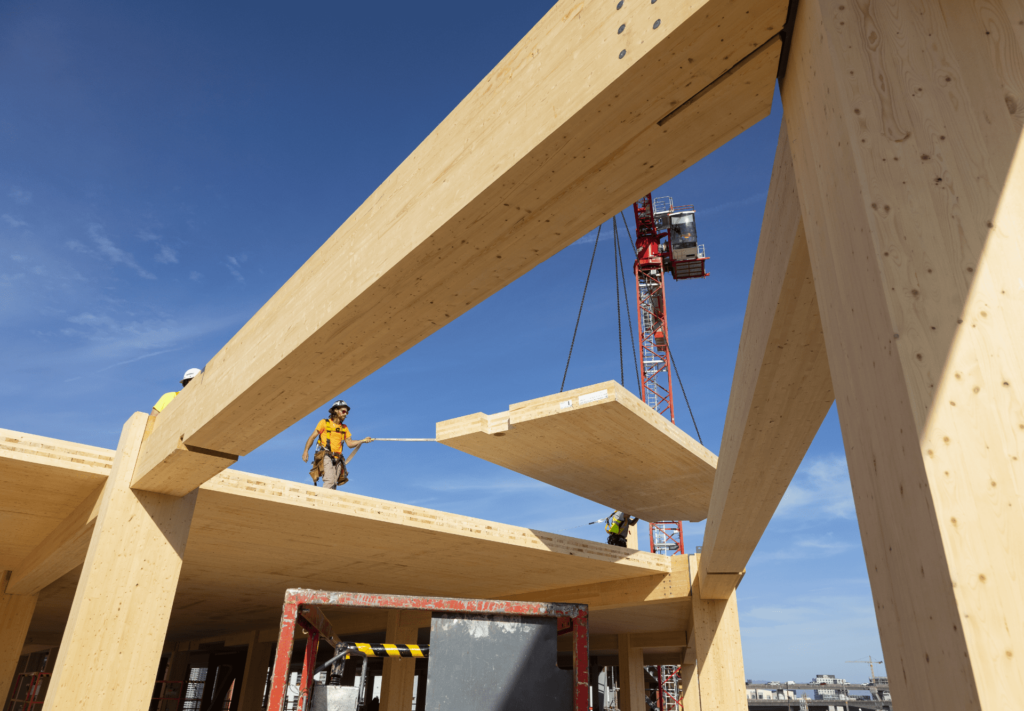
Cross-laminated timber (CLT), glue-laminated beams, and other engineered wood products offer impressive strength-to-weight ratios and flexibility. These materials are less prone to splitting and can withstand seismic activity better than traditional lumber. Sourced from managed forests, they also sequester carbon, making them a sustainable choice for both residential and commercial projects.
High-Performance Insulation
Proper insulation is crucial for maintaining indoor comfort and reducing energy use. Options like fiberglass batts, mineral wool, and rigid foam boards resist moisture and mold, while also providing excellent thermal performance. Some advanced products are designed to withstand flooding and dry out without losing effectiveness, making them ideal for flood-prone areas.
Innovative Concrete and Masonry Solutions
Concrete remains a staple for its durability, but new formulations are pushing resilience even further. Fiber-reinforced concrete, geopolymer blends, and permeable pavers offer improved crack resistance, flood mitigation, and lower carbon footprints. Masonry products like autoclaved aerated concrete (AAC) blocks provide both insulation and fire resistance, making them suitable for diverse climates.
Resilient Exterior Cladding and Roofing
Protecting a building’s envelope is essential for weather resistance. Fiber cement siding, metal panels, and composite shingles are popular for their ability to withstand wind, hail, and fire. For those interested in sustainable style, eco friendly exterior cladding options combine visual appeal with robust protection against the elements.
Emerging Trends in Sustainable and Resilient Materials
Innovation continues to drive the development of materials that are both tough and environmentally responsible. Some notable trends include:
- Bio-based composites: Products made from agricultural waste, mycelium, or recycled fibers offer renewable alternatives to traditional plastics and resins.
- Phase-change materials: Used in walls or roofs, these substances absorb and release heat to moderate indoor temperatures naturally.
- Smart coatings: Paints and finishes that reflect solar radiation or self-heal after minor damage can extend the life of exterior surfaces.
For a deeper dive into the latest advances, see our article on green building material innovation.
Choosing the Right Materials for Your Project
Selecting the best resilient materials depends on local climate risks, building codes, and project goals. Here are some practical steps to guide your decision:
- Assess local hazards: Consider the likelihood of floods, wildfires, hurricanes, or extreme temperatures in your area.
- Consult with experts: Architects and engineers can recommend products that meet both resilience and sustainability criteria.
- Balance cost and performance: While some advanced materials may have higher upfront costs, their durability can lead to long-term savings.
- Look for certifications: Seek out products with recognized environmental and resilience certifications for added assurance.
For additional guidance on exterior systems that regulate temperature and moisture, our overview of ventilated facade eco friendly systems can help you make informed choices.
Benefits of Investing in Climate-Ready Materials
Adopting resilient construction products delivers a range of benefits:
- Reduced maintenance and repair costs after extreme events
- Enhanced occupant safety and comfort in all weather conditions
- Lower insurance premiums due to improved risk mitigation
- Increased property value and marketability
- Positive environmental impact by reducing resource consumption and emissions
Many of these advantages are highlighted in resources like sustainable building materials for 2025, which profiles forward-thinking solutions for the next generation of construction.
Frequently Asked Questions
What makes a building material “climate resilient”?
A climate resilient material is designed or selected for its ability to maintain structural integrity and performance under extreme weather, temperature fluctuations, moisture, and other environmental stresses. These materials often have enhanced durability, water resistance, fire resistance, and low environmental impact.
Are climate-ready materials more expensive?
Some resilient materials may have higher initial costs due to advanced manufacturing or sourcing, but they often save money over time by reducing maintenance, repairs, and energy use. The long-term benefits typically outweigh the upfront investment.
How can I ensure my building uses the right materials for local risks?
Start by assessing your region’s primary climate threats, such as flooding, wildfires, or hurricanes. Consult with local professionals who understand building codes and best practices for your area. Look for products with proven performance in similar environments and consider certifications for resilience and sustainability.
Conclusion
Adapting to a changing climate requires a proactive approach to construction. By prioritizing climate resilient building materials, property owners and builders can create structures that stand strong against future challenges while supporting environmental goals. With ongoing innovation and a growing selection of high-performance products, the path to resilient, sustainable buildings is more accessible than ever.