As the demand for safer, greener buildings grows, the construction industry is turning to fire resistant sustainable materials to meet both safety and environmental goals. These innovative solutions are changing the way we design homes, offices, and public spaces, offering protection from fire hazards while reducing environmental impact. In this article, we’ll explore the types, benefits, and practical applications of these materials, helping you make informed choices for your next project.
Combining fire safety with eco-conscious design is no longer a compromise. Today’s advanced materials allow architects, builders, and homeowners to prioritize both. Whether you’re renovating, building new, or simply curious about the latest trends, understanding these options is essential for a safer, more sustainable future.
For those interested in how these innovations fit into broader climate adaptation strategies, our guide on climate resilient building materials offers further insights into resilient design for a changing world.
Why Choose Eco-Friendly Fire Resistant Materials?
The intersection of fire safety and sustainability is more important than ever. Traditional fireproofing often relies on chemicals or resource-intensive manufacturing, which can harm the environment. In contrast, eco-friendly fire resistant materials are designed to minimize carbon footprint, use renewable resources, and avoid toxic additives.
- Safety: These materials slow the spread of flames, giving occupants more time to evacuate and reducing property damage.
- Environmental Impact: Many are made from recycled or rapidly renewable resources, supporting a circular economy.
- Health: Low-emission and non-toxic options improve indoor air quality and reduce exposure to harmful chemicals.
- Durability: Many sustainable fireproof materials are long-lasting, reducing the need for frequent replacements.
Choosing these options supports a safer, healthier, and more responsible built environment.
Types of Fire Resistant Sustainable Materials
There are several categories of fire resistant sustainable materials used in modern construction. Each offers unique benefits and is suited to different applications.
Bamboo: A Renewable and Resilient Choice
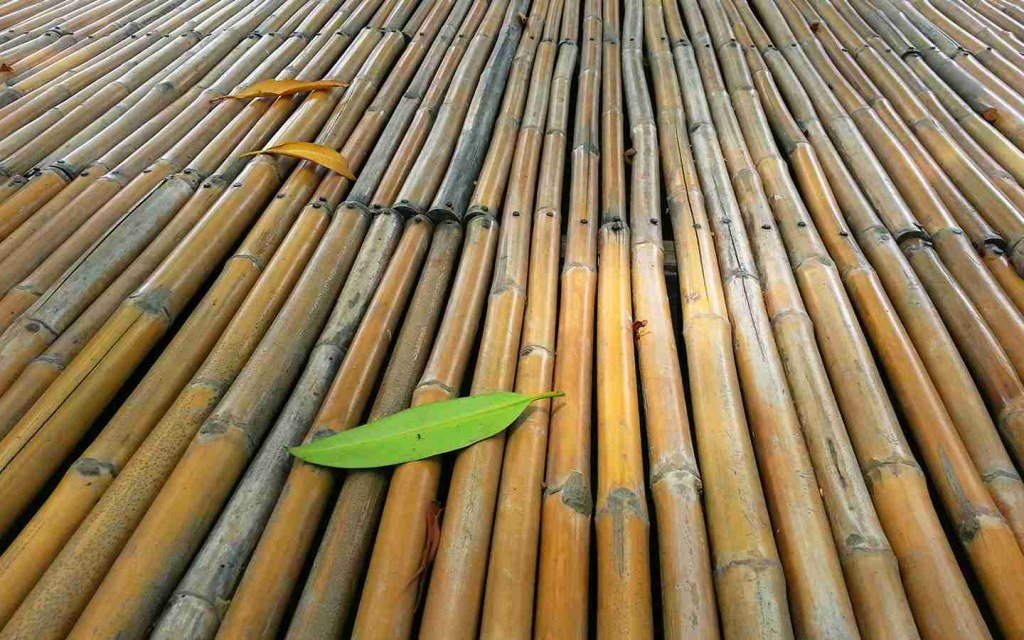
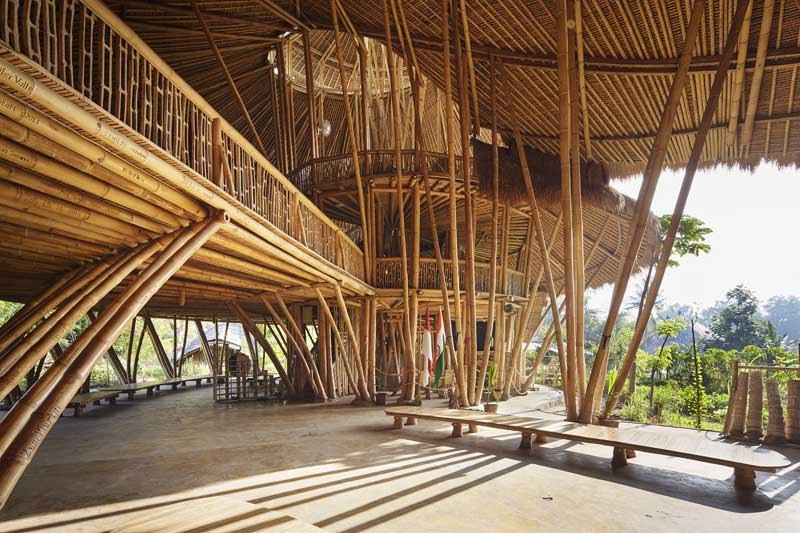
Bamboo is gaining popularity as a sustainable building material due to its rapid growth and strength. When treated properly, bamboo can offer impressive resistance to fire, making it suitable for flooring, wall panels, and structural components. Its low environmental impact and renewability make it a favorite among eco-conscious builders.
Recycled Glass and Mineral Wool Insulation
Insulation is a critical component in fire-safe construction. Recycled glass wool and mineral wool are both non-combustible, offering excellent thermal and acoustic properties. These materials are often made from post-consumer glass or natural minerals, reducing landfill waste and supporting energy efficiency in buildings.
Eco-Friendly Concrete Alternatives
Concrete is naturally fire resistant, but traditional production is energy-intensive. Newer alternatives, such as geopolymer concrete and fly ash blends, use industrial byproducts and require less energy to produce. These options provide the same fire protection with a reduced environmental footprint.
Natural Fiber Composites
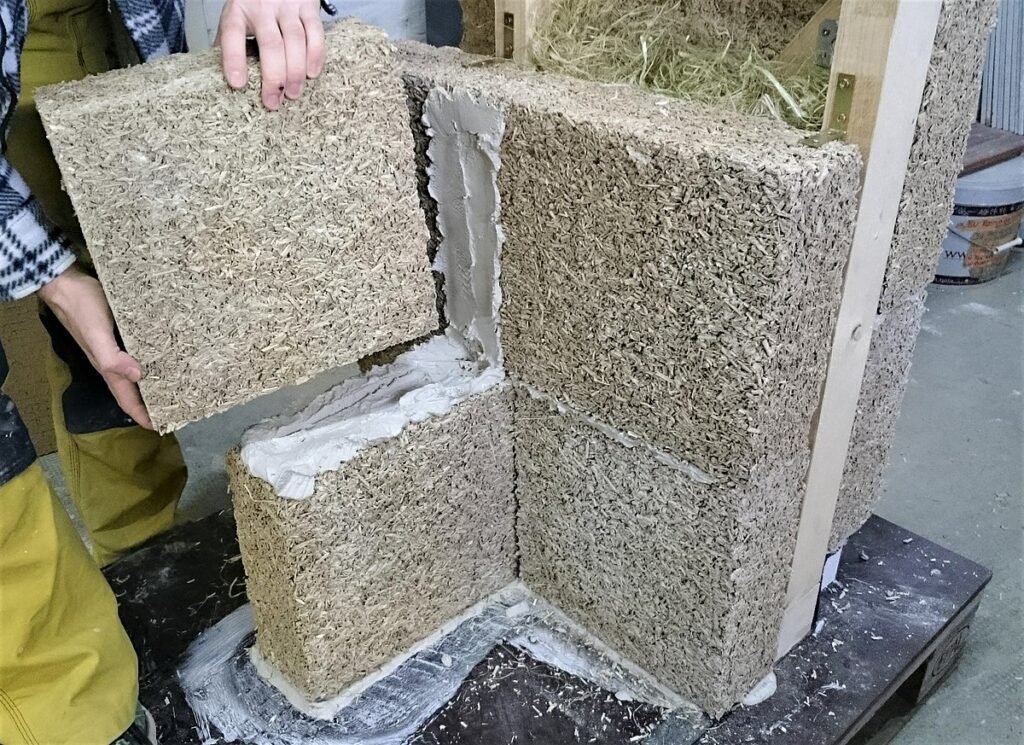
Composites made from hemp, flax, or kenaf fibers can be engineered to resist fire while providing structural support. When combined with fire-retardant binders, these materials are suitable for wall panels, insulation, and even furniture. Their biodegradability and low toxicity make them a sustainable choice.
How Fire Resistant Sustainable Materials Are Used in Construction
Modern construction projects are increasingly integrating these materials in creative and practical ways. Here are some common applications:
- Wall and Ceiling Panels: Fire-rated panels made from recycled gypsum, mineral wool, or treated bamboo provide both safety and style.
- Flooring: Bamboo flooring, when properly treated, offers a renewable and fire-safe alternative to hardwoods.
- Insulation: Fiberglass, mineral wool, and cellulose insulation made from recycled content help contain fires and improve energy efficiency.
- Roofing: Clay tiles, recycled metal, and composite shingles can all be selected for their fire resistance and sustainability.
For a closer look at the durability of sustainable materials in construction, our in-depth guide explores how these choices stand up over time, even under challenging conditions.
Benefits Beyond Fire Safety
While the primary goal is to reduce fire risk, these materials also offer a range of additional benefits:
- Lower Operating Costs: Improved insulation and energy efficiency can reduce heating and cooling bills.
- Healthier Indoor Environments: Low-emission materials minimize exposure to volatile organic compounds (VOCs) and other toxins.
- Reduced Maintenance: Durable, fire-resistant surfaces require less frequent repairs and replacements, saving time and resources.
- Support for Green Certifications: Using eco-friendly, fire-safe products can help projects qualify for LEED or other green building certifications.
For more on the latest trends in sustainable construction, see our overview of industry shifts toward greener, safer building practices.
Challenges and Considerations
Despite their advantages, there are some challenges to adopting these materials:
- Cost: Some eco-friendly fireproof options may have higher upfront costs, though these are often offset by long-term savings.
- Availability: Not all regions have easy access to the latest sustainable products, which can limit choices.
- Certification: Verifying fire ratings and environmental claims requires careful review of product certifications and third-party testing.
- Installation: Proper installation is crucial to ensure both fire resistance and sustainability goals are met.
For a transparent look at the cost of eco friendly building materials, our comparison guide breaks down expenses and potential savings.
Case Study: Schools and Public Buildings
Schools, hospitals, and government buildings are leading the way in adopting fire resistant sustainable materials. These facilities often require strict fire safety standards and are increasingly prioritizing eco-friendly construction. For example, new schools may use mineral wool insulation, bamboo flooring, and recycled steel framing to meet both safety codes and sustainability goals.
Public projects also benefit from lower maintenance costs and healthier indoor environments, setting a strong example for private developers and homeowners.
How to Choose the Right Fire-Safe Green Materials
Selecting the best products for your project involves several key steps:
- Assess Your Needs: Consider the building’s purpose, local fire codes, and environmental goals.
- Research Certifications: Look for products with verified fire ratings and sustainability certifications such as GREENGUARD, Cradle to Cradle, or FSC.
- Compare Life Cycle Impacts: Evaluate the full environmental impact, from sourcing to disposal.
- Consult Professionals: Work with architects, builders, and suppliers experienced in sustainable, fire-safe construction.
For additional tips on maximizing longevity, see our article on maintenance of green building materials.
Further Reading and Resources
To deepen your understanding, explore the advantages of eco-friendly construction materials for a comprehensive overview of the benefits and practicalities of sustainable building choices.
FAQ: Fire-Safe and Sustainable Building Materials
What makes a material both fire resistant and sustainable?
A material is considered both fire resistant and sustainable if it can withstand high temperatures or slow the spread of flames, while also being produced with minimal environmental impact. This typically involves renewable resources, recycled content, or low-emission manufacturing processes.
Are eco-friendly fireproof materials more expensive?
Some sustainable fire-resistant products may have higher initial costs, but they often result in long-term savings through reduced maintenance, lower energy bills, and increased durability. Costs are also decreasing as demand and production scale up.
How can I verify the fire safety of a green building product?
Always check for third-party fire safety certifications, such as ASTM E84 or EN 13501, and review manufacturer documentation. Reputable products will clearly display their fire ratings and sustainability credentials.