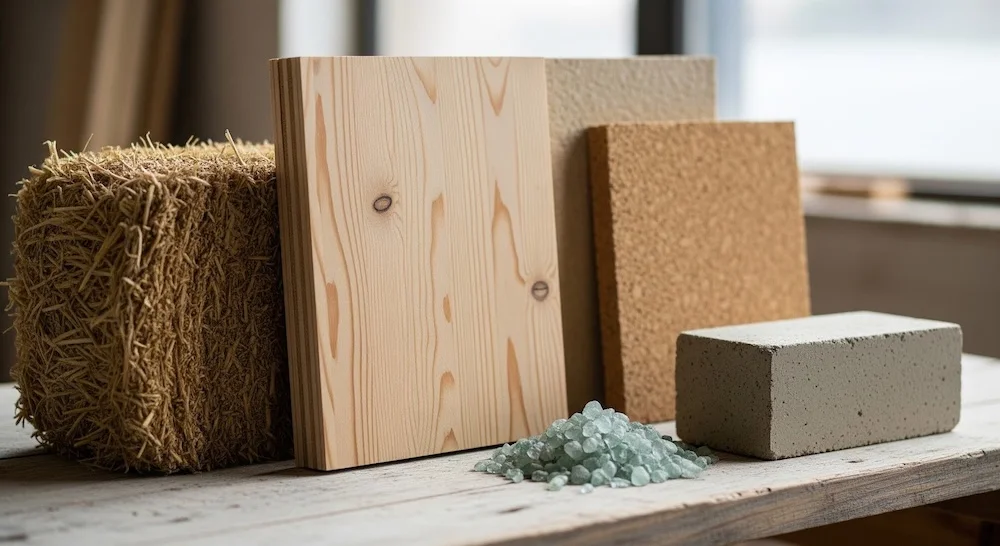
Building structures that can withstand seismic activity while minimizing environmental impact is a growing priority in modern construction. The demand for earthquake resistant eco friendly materials is rising as communities seek safer, more sustainable ways to protect lives and property. This article explores innovative materials and construction methods that offer both resilience against earthquakes and environmental responsibility.
As green building practices become mainstream, architects and builders are integrating sustainable choices into seismic design. From renewable resources like bamboo to advanced composites and recycled materials, the options for safer, greener construction are expanding rapidly. If you’re interested in sourcing these materials, you can find more information through eco friendly construction material suppliers who specialize in sustainable solutions.
Why Sustainable Seismic Materials Matter
Traditional construction often relies on concrete and steel, which have high carbon footprints and can be resource-intensive to produce. In earthquake-prone regions, these materials may not always offer the flexibility or energy absorption needed to prevent catastrophic failure. By contrast, eco friendly earthquake-resistant materials combine strength, flexibility, and sustainability, making them ideal for modern construction.
Choosing the right materials can:
- Reduce greenhouse gas emissions during production and use
- Enhance building performance during seismic events
- Lower long-term maintenance and repair costs
- Support healthier indoor and outdoor environments
For a deeper understanding of how these materials perform over time, check out this resource on the durability of sustainable materials in construction.
Key Types of Earthquake-Resistant Green Materials
Several innovative products and natural resources are now being used to create buildings that are both resilient and environmentally responsible. Here are some of the most promising options:
Bamboo: Nature’s Flexible Powerhouse
Bamboo is rapidly gaining popularity as a structural material in seismic zones. Its natural flexibility allows it to bend without breaking, making it ideal for absorbing earthquake forces. Bamboo is also renewable, grows quickly, and has a low environmental impact compared to traditional timber or steel.
Hempcrete: Lightweight and Resilient
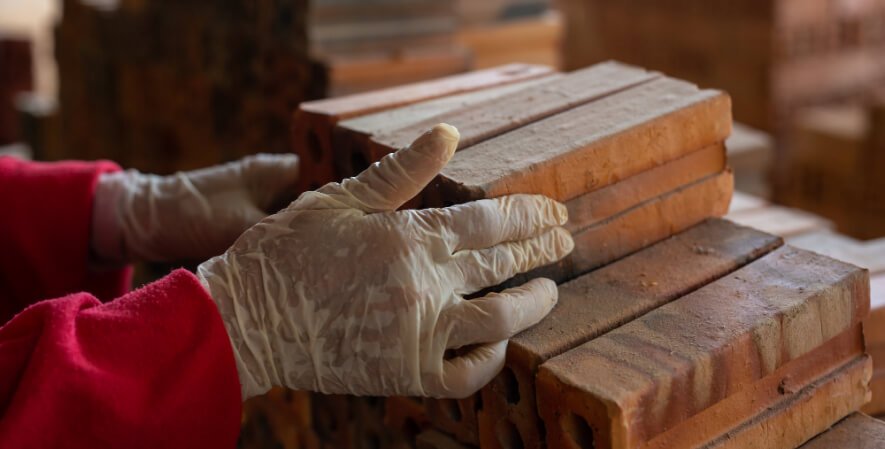
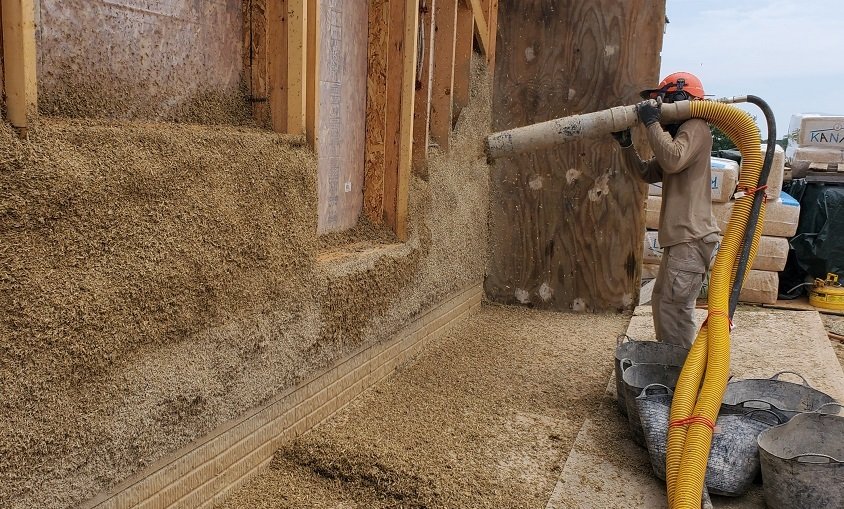
Hempcrete is a bio-composite made from hemp fibers and lime. It is lightweight, provides excellent insulation, and offers moderate flexibility—qualities that help buildings dissipate seismic energy. Hempcrete is also non-toxic, mold-resistant, and absorbs CO2 during its lifecycle, making it a sustainable choice for eco-conscious builders.
Recycled Steel and Composite Materials
Recycled steel is strong, ductile, and can be reused multiple times without losing its properties. When combined with other sustainable materials, such as recycled plastics or natural fibers, these composites can provide excellent seismic resistance while reducing the environmental impact of new construction.
Composite panels made from agricultural waste, recycled glass, or rubber are also being tested for their shock-absorbing properties. These materials can be engineered to meet specific seismic standards and are often lighter than conventional options, reducing the load on foundations and structural supports.
Design Strategies for Safer, Greener Buildings
Material selection is only part of the equation. To maximize both safety and sustainability, builders should consider the following design strategies:
- Base Isolation: Using flexible pads or bearings to separate a building from ground movement, reducing the transfer of seismic forces.
- Energy Dissipation Devices: Incorporating dampers or braces that absorb and dissipate energy during an earthquake.
- Modular Construction: Prefabricated modules made from sustainable materials can be designed for optimal seismic performance and assembled with minimal waste.
- Lightweight Structures: Reducing the overall weight of a building decreases the forces experienced during an earthquake, improving safety and efficiency.
For more on how these trends are shaping the industry, see the latest eco friendly construction industry trends.
Cost and Maintenance Considerations
While some sustainable seismic materials may have higher upfront costs, they often lead to long-term savings through reduced maintenance, lower energy bills, and less frequent repairs after seismic events. Understanding the cost of eco friendly building materials can help homeowners and developers make informed decisions.
Regular upkeep is also crucial for maintaining both the structural integrity and environmental benefits of these materials. For practical advice, explore this guide on maintenance of green building materials.
Global Examples and Innovations
Countries like Japan, New Zealand, and Chile have pioneered the use of sustainable seismic materials in both residential and commercial construction. In these regions, bamboo, engineered timber, and advanced composites are being used in everything from homes to schools and hospitals.
Innovative projects worldwide demonstrate that it’s possible to combine earthquake safety with environmental stewardship. For instance, some buildings use cross-laminated timber (CLT) panels, which are strong, renewable, and can be prefabricated for rapid assembly. Others incorporate recycled steel frames with hempcrete infill, achieving both seismic resilience and a reduced carbon footprint.
To learn more about sustainable building practices, visit this comprehensive guide to sustainable building materials from industry experts.
Frequently Asked Questions
What makes a material both earthquake-resistant and eco-friendly?
Materials that combine flexibility, strength, and low environmental impact are ideal. Examples include bamboo, hempcrete, recycled steel, and composite panels made from renewable or recycled resources. These materials can absorb seismic energy while minimizing carbon emissions and resource depletion.
Are green seismic materials more expensive than traditional options?
Initial costs can be higher for some sustainable materials, but long-term savings often offset the investment. Reduced maintenance, better energy efficiency, and lower repair costs after earthquakes contribute to overall affordability.
How can I find suppliers for sustainable seismic materials?
Look for specialized eco friendly construction material suppliers who offer certified products and can provide guidance on sourcing, installation, and compliance with local building codes.
Can recycled materials be used in earthquake-resistant construction?
Yes, recycled steel, glass, and plastics are increasingly used in seismic design. When engineered properly, these materials can provide excellent strength and flexibility while reducing environmental impact.
Conclusion
The integration of earthquake resistant eco friendly materials into building design is transforming the construction industry. By choosing sustainable options and smart design strategies, it’s possible to create structures that protect people, property, and the planet. As technology advances and awareness grows, these materials will play an even greater role in shaping safer, greener communities worldwide.