Finding the right sources for sustainable building materials is a crucial step for anyone looking to reduce their environmental impact while constructing or renovating a home or commercial space. As demand for eco-friendly construction grows, so does the variety of suppliers and products available. Whether you’re a homeowner, contractor, or architect, knowing where to buy sustainable building materials can help you make informed decisions that benefit both your project and the planet.
This article explores the top places to source green construction products, what to look for in a supplier, and how to ensure the materials you choose align with your sustainability goals. We’ll also highlight some of the most popular eco-friendly options and provide practical tips for evaluating quality and authenticity.
For those seeking a comprehensive list of eco friendly construction material suppliers, there are dedicated resources that can help you compare options and find reputable vendors in your area or online.
Understanding the Importance of Sustainable Materials
Choosing environmentally responsible products isn’t just about reducing waste or lowering carbon emissions. It’s also about supporting healthier indoor environments, improving energy efficiency, and often increasing the long-term durability of your building. Materials like bamboo, recycled steel, reclaimed wood, and non-toxic insulation are just a few examples of products that can make a real difference.
Many of these materials are sourced from renewable resources or manufactured using processes that minimize environmental harm. By prioritizing these options, you contribute to a more sustainable construction industry and help set new standards for future projects.
Top Places to Source Eco-Friendly Construction Products
With the growing popularity of green building, there are now more places than ever to purchase sustainable supplies. Here are some of the best options for sourcing these materials:
- Specialty Green Building Suppliers: These businesses focus exclusively on eco-friendly products, offering everything from reclaimed wood to low-VOC paints and natural insulation. Shopping with a dedicated supplier ensures that the products meet recognized environmental standards.
- Major Home Improvement Retailers: Many large chains now carry lines of sustainable materials, including bamboo flooring, recycled content drywall, and energy-efficient windows. Look for certifications like FSC, GREENGUARD, or Cradle to Cradle on product labels.
- Local Reuse Centers and Salvage Yards: Salvaged materials, such as doors, windows, and lumber, are not only sustainable but often more affordable. These centers give new life to items that would otherwise end up in landfills.
- Online Marketplaces: E-commerce platforms provide access to a wide range of green building products, including specialty items that may not be available locally. Always check for third-party certifications and user reviews before purchasing.
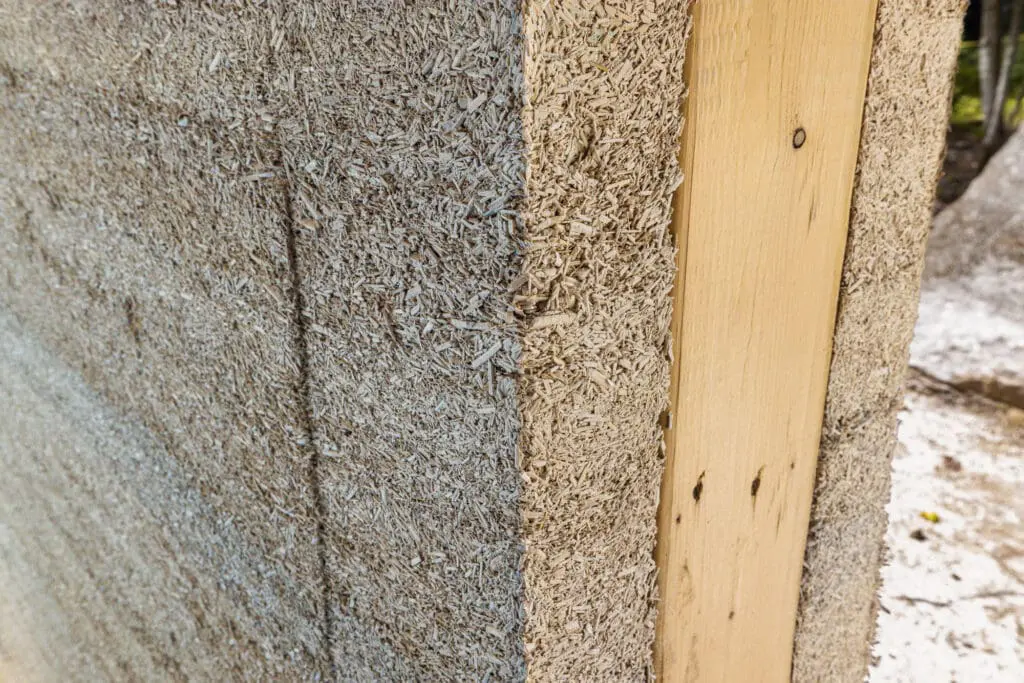
- Direct from Manufacturers: Some manufacturers sell directly to consumers, especially for innovative products like hempcrete blocks or recycled glass countertops. Buying direct can offer better pricing and more detailed product information.
How to Evaluate Suppliers and Products
Not all products labeled as “green” or “eco-friendly” are created equal. To ensure you’re truly making a sustainable choice, consider the following factors when evaluating suppliers and their offerings:
- Certifications: Look for independent certifications such as Forest Stewardship Council (FSC) for wood, GREENGUARD for indoor air quality, or Energy Star for appliances and windows.
- Transparency: Reputable suppliers will provide detailed information about the origin, manufacturing process, and environmental impact of their products.
- Local Sourcing: Whenever possible, choose materials that are produced or reclaimed locally to reduce transportation emissions and support your regional economy.
- Durability: Sustainable materials should be built to last, minimizing the need for frequent replacement and reducing long-term waste. For more on this, see our guide to the durability of sustainable materials in construction.
- Health Impact: Prioritize non-toxic, low-emission products to protect indoor air quality and occupant health.
It’s also wise to review recent studies and research on the environmental performance of various materials. For example, this scientific article on sustainable construction materials provides valuable insights into the latest innovations and best practices.
Popular Eco-Friendly Materials and Where to Find Them
Some of the most sought-after sustainable materials include:
- Bamboo Flooring: Fast-growing and highly renewable, bamboo is a popular alternative to traditional hardwood. It’s available through both specialty suppliers and major retailers.
- Recycled Steel: Used for framing and structural components, recycled steel reduces the need for new mining and is widely available from building supply companies.
- Reclaimed Wood: Salvaged from old buildings or industrial sites, reclaimed wood offers unique character and reduces demand for new lumber.
- Natural Insulation: Products like sheep’s wool, cellulose, and hemp insulation provide excellent thermal performance with minimal environmental impact. You can find these through green building stores and select online platforms.
- Low-VOC Paints and Finishes: These products emit fewer harmful chemicals and are now commonly stocked by both specialty and mainstream retailers.
For a deeper look at the latest eco friendly construction industry trends, explore how new materials and technologies are shaping the future of sustainable building.
Tips for Making the Most of Your Green Building Investment
To maximize the benefits of using sustainable materials, keep these tips in mind:
- Plan Ahead: Research availability and lead times for eco-friendly products early in your project to avoid delays.
- Compare Costs: While some green materials may have a higher upfront price, they often deliver savings over time through improved efficiency and durability. For a detailed breakdown, see our analysis of the cost of eco friendly building materials.
- Work with Knowledgeable Professionals: Architects, builders, and designers experienced in sustainable construction can help you select the best products and ensure proper installation.
- Stay Informed: The green building sector is evolving rapidly. Keep up with new products, certifications, and best practices to make the most informed choices.
Frequently Asked Questions
What certifications should I look for when buying eco-friendly building materials?
Key certifications include FSC (Forest Stewardship Council) for wood, GREENGUARD for indoor air quality, Cradle to Cradle for product lifecycle, and Energy Star for appliances and windows. These labels indicate that the product meets recognized environmental and health standards.
Are sustainable materials more expensive than conventional options?
Some green products have a higher initial cost, but many offer long-term savings through energy efficiency, durability, and reduced maintenance. Comparing the cost of eco friendly building materials can help you make an informed decision based on your budget and project goals.
How can I verify that a supplier is truly offering sustainable products?
Look for transparency in sourcing, clear product information, and third-party certifications. Reading independent reviews and consulting resources on eco friendly construction material suppliers can also help you identify reputable vendors.
What are some durable options for sustainable construction?
Materials like recycled steel, bamboo, and reclaimed wood are known for their strength and longevity. For more details, check out our guide on the durability of sustainable materials in construction.
Conclusion
Knowing where to buy sustainable building materials is essential for anyone committed to eco-friendly construction. By choosing reputable suppliers, verifying certifications, and staying informed about the latest green products, you can ensure your project is both environmentally responsible and built to last. Explore specialty stores, online platforms, and local salvage centers to find the best materials for your needs, and don’t hesitate to consult experts for guidance along the way. Sustainable building is not just a trend—it’s a smart investment in the future of your home and the planet.