Choosing weather resistant eco friendly materials is essential for building projects that stand up to the elements while minimizing environmental impact. Whether you’re constructing a home, renovating a business, or planning an outdoor structure, the right materials can help reduce energy consumption, maintenance costs, and your carbon footprint. In this guide, we’ll explore sustainable options that perform well in various climates, from humid tropics to snowy regions.
As the demand for green construction grows, so does the variety of durable, planet-friendly products. Understanding which materials offer both resilience and sustainability is key to making informed decisions. If you’re looking for more information about where to buy sustainable building materials, there are resources available to help you source the best products for your project.
Understanding the Need for Sustainable, Durable Building Products
Modern construction faces the challenge of balancing durability with environmental responsibility. Traditional materials like concrete and steel are strong but often have a high ecological cost. In contrast, eco friendly weatherproof materials are designed to last in harsh conditions while reducing resource consumption and pollution.
Factors to consider when selecting sustainable, resilient products include:
- Climate suitability: Will the material withstand local weather patterns such as heavy rain, snow, or intense sun?
- Resource efficiency: Is the product made from renewable, recycled, or low-impact resources?
- Longevity and maintenance: Does it require frequent replacement or upkeep?
- End-of-life impact: Can the material be recycled or safely disposed of?
By prioritizing these factors, you can create structures that are both robust and environmentally sound.
Top Weatherproof Eco Materials for Construction
Let’s look at some of the most effective weather resistant eco friendly materials used in construction today, along with their unique benefits and best-use scenarios.
Bamboo: Fast-Growing and Resilient
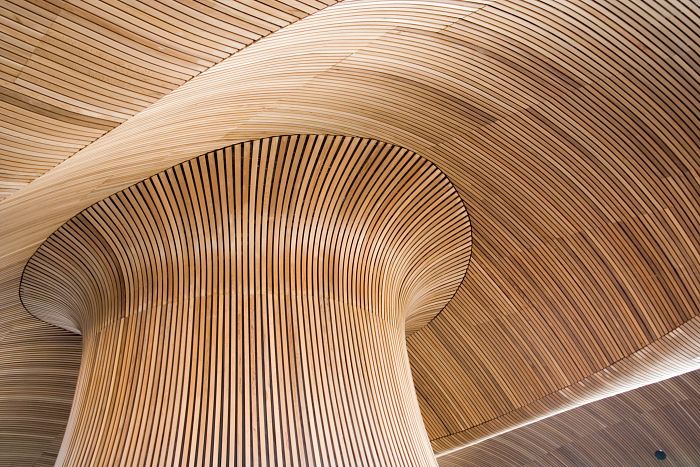
Bamboo is a renewable resource that matures quickly and offers impressive strength. It resists moisture, pests, and even some fungal attacks, making it suitable for both indoor and outdoor applications. Treated bamboo can be used for flooring, paneling, and structural elements in climates ranging from tropical to temperate.
Recycled Metal: Long-Lasting and Low Maintenance
Aluminum and steel made from recycled content are highly durable and naturally resistant to weathering. These metals are ideal for roofing, siding, and structural frames, especially in areas prone to heavy rain or snow. Their longevity and recyclability make them a smart choice for sustainable construction.
Composite Wood and Fiber Cement
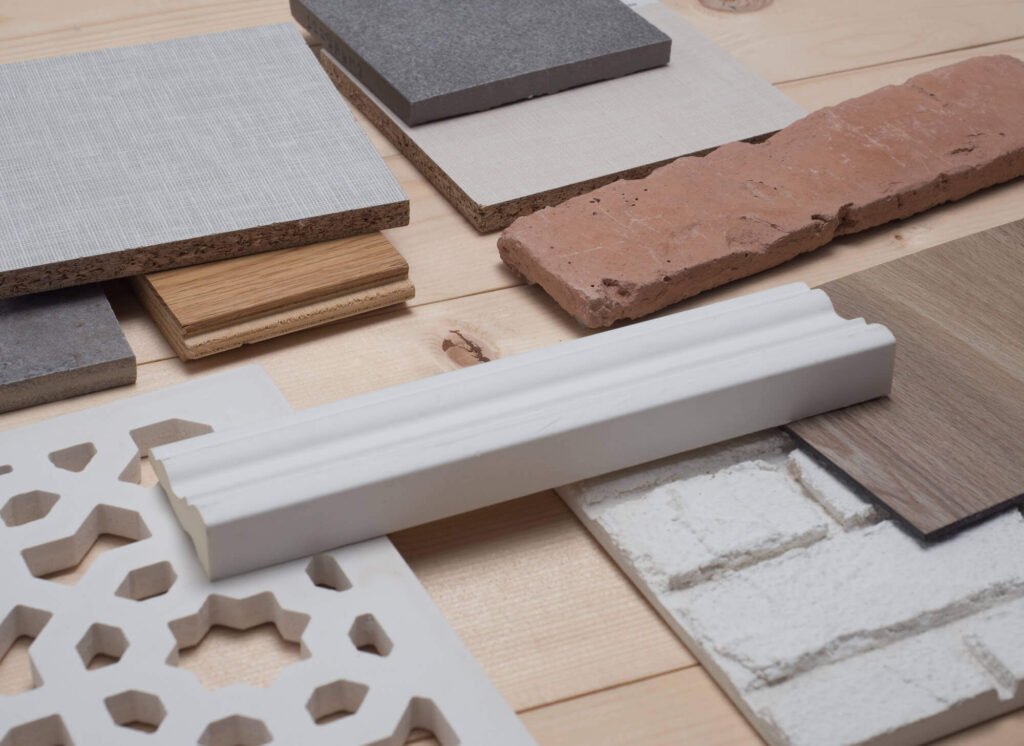
Engineered wood products and fiber cement boards combine recycled fibers, cement, and other natural materials to create panels that resist rot, insects, and moisture. These composites are commonly used for exterior cladding, decking, and trim, offering the appearance of wood with enhanced durability.
Insulation and Protection: Keeping Buildings Comfortable
Insulation is a critical component in sustainable design, helping regulate indoor temperatures and reduce energy use. Eco friendly weather resistant insulation options include:
- Cellulose insulation: Made from recycled paper, treated for fire and pest resistance.
- Sheep’s wool: Naturally moisture-resistant and biodegradable.
- Fiberglass with eco-binders: Contains recycled glass and uses less harmful binders.
These materials perform well in a range of climates, from hot and humid to cold and dry, and can help maintain comfortable indoor environments year-round.
Exterior Finishes: Sustainable Siding, Roofing, and Decking
Exterior surfaces face the harshest weather, so choosing the right sustainable products is crucial. Some top choices include:
- Recycled plastic lumber: Made from post-consumer plastics, it resists moisture, insects, and UV rays, making it perfect for decking and fencing.
- Clay and slate tiles: Natural, durable, and recyclable, these materials are excellent for roofing in both hot and cold climates.
- Natural stone: Locally sourced stone is long-lasting and requires minimal processing, reducing its environmental impact.

Adapting to Local Conditions with Green Materials
Every region presents unique weather challenges. For example, in coastal areas, salt air can corrode metals, so fiber cement or recycled plastic may be preferable. In snowy climates, heavy-duty recycled metal roofing and dense insulation help prevent ice dams and heat loss. For hot, sunny environments, reflective roofing and ventilated facades made from sustainable materials can keep interiors cool.
Consulting with local experts and suppliers can help you select products that are both environmentally responsible and tailored to your climate. For more on sourcing, see our guide to eco friendly construction material suppliers.
Certifications and Standards for Sustainable, Weatherproof Products
When evaluating green building products, look for certifications that indicate environmental performance and durability, such as:
- FSC (Forest Stewardship Council) for responsibly sourced wood
- Cradle to Cradle for products designed with circularity in mind
- GREENGUARD for low-emission materials
- Energy Star for energy-efficient building components
These certifications help ensure that your chosen materials meet both sustainability and performance standards.
Why Eco-Friendly Weatherproof Materials Matter
Using robust, sustainable products isn’t just about withstanding storms or extreme temperatures. It’s also about reducing waste, conserving resources, and creating healthier living spaces. According to this overview of eco-friendly construction and its importance, green building practices can significantly lower a project’s environmental impact while delivering long-term savings and comfort.
For those interested in safety as well as sustainability, explore our article on fire resistant sustainable materials for additional insights.
Integrating Green, Weather-Resistant Products Into Your Project
To maximize the benefits of sustainable, durable materials, consider these practical steps:
- Assess your climate risks: Identify the most common weather challenges in your area.
- Prioritize local and certified products: Reduce transportation emissions and support regional economies.
- Work with experienced professionals: Architects and builders familiar with green construction can help you make the best choices.
- Plan for the long term: Invest in products that offer both immediate and lasting benefits for durability and sustainability.
Staying informed about eco friendly construction industry trends can also help you discover new innovations and best practices for your next project.
Frequently Asked Questions
What are the most durable eco-friendly materials for outdoor use?
Some of the most resilient options include recycled metal (such as aluminum and steel), bamboo, fiber cement, recycled plastic lumber, and natural stone. These materials resist moisture, pests, and UV damage, making them ideal for decks, siding, and roofing.
How do I know if a material is truly sustainable and weather resistant?
Look for third-party certifications like FSC, Cradle to Cradle, or GREENGUARD, and check product data sheets for weather performance ratings. Consulting with local suppliers and green building experts can also help verify claims.
Can eco-friendly building products save money in the long run?
Yes, while some sustainable materials may have a higher upfront cost, their durability and energy-saving properties often lead to lower maintenance and utility bills over time. This makes them a smart investment for both the environment and your budget.