Understanding the life cycle analysis building materials process is essential for anyone interested in sustainable construction. This approach evaluates the full environmental impact of materials from raw extraction through manufacturing, use, and end-of-life disposal or recycling. By examining each stage, architects, builders, and homeowners can make informed decisions that reduce carbon footprints and promote eco-friendly choices.
With growing attention on climate change and resource conservation, the construction industry is increasingly focused on the total impact of materials. This guide explores how life cycle assessment (LCA) works, why it matters, and how it can help you choose better products for your projects. If you’re looking for practical ways to source greener products, you might also find our resource on where to buy sustainable building materials helpful.

What Is Life Cycle Assessment in Construction?
Life cycle assessment (LCA) is a scientific method used to evaluate the environmental impacts of a product or material throughout its entire existence. In the context of building materials, this means considering every stage, including:
- Raw material extraction (mining, harvesting, or collecting resources)
- Manufacturing and processing (energy and emissions from production)
- Transportation (fuel use and emissions from moving materials)
- Use phase (durability, maintenance, and operational impacts)
- End-of-life (demolition, recycling, or landfill disposal)
This comprehensive approach helps identify hidden environmental costs and supports more responsible material choices. For example, a product that seems eco-friendly at first glance may have a high carbon footprint due to energy-intensive manufacturing or limited recyclability.
Why Total Impact Matters for Sustainable Building
Focusing on the total environmental impact of construction products is crucial for several reasons. First, the building sector is responsible for a significant portion of global greenhouse gas emissions. By selecting materials with lower life cycle impacts, builders can help reduce these emissions and conserve resources.
Second, regulations and certifications are increasingly requiring LCA data for green building standards. Understanding this process can give you a competitive edge and ensure compliance with programs like LEED, BREEAM, or local green codes.
Finally, considering the entire life span of materials supports long-term value and resilience. Products that are durable, low-maintenance, and recyclable can lower costs and environmental burdens over time.
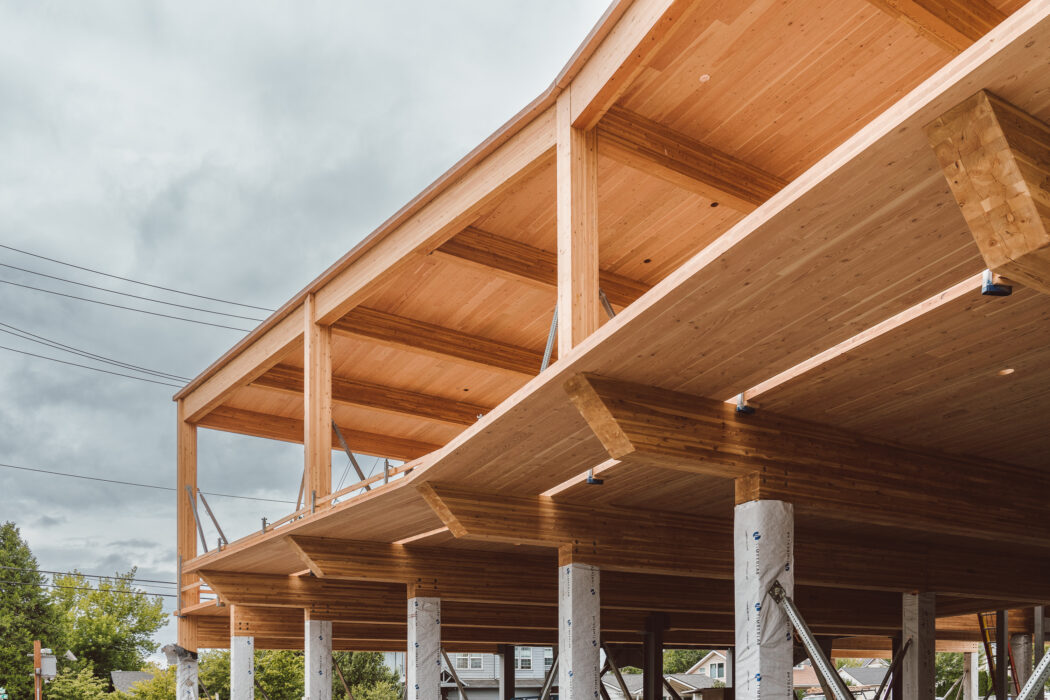
Key Stages of Material Life Cycle Analysis
To fully understand the environmental footprint of construction products, it’s important to break down the main stages of their life cycle:
-
Resource Extraction
This stage covers the sourcing of raw materials, such as timber, minerals, or recycled content. The impact here depends on factors like deforestation, mining practices, and transportation distances. -
Production and Manufacturing
Processing raw materials into finished products often requires significant energy and water. Emissions from factories, chemical use, and waste generation are all considered. -
Distribution
Moving materials from factories to building sites involves fuel consumption and emissions. Locally sourced products often have a lower transportation footprint. -
Use and Maintenance
Some materials require frequent upkeep or replacement, while others are highly durable. The use phase also includes impacts from energy efficiency (such as insulation performance). -
End-of-Life
At the end of a building’s life, materials may be reused, recycled, or sent to landfill. Products designed for circularity (easy disassembly and recycling) have a lower overall impact.
By evaluating each of these stages, LCA provides a holistic view of a material’s sustainability profile.
Comparing Materials: Practical Examples
Let’s look at how this approach works in practice. Consider two common building materials: concrete and bamboo flooring. Concrete is durable and widely used, but its production is energy-intensive and generates significant CO2 emissions. Bamboo, on the other hand, is a rapidly renewable resource that can be harvested with less environmental disruption. When analyzed through the lens of life cycle assessment, bamboo often shows a lower total impact, especially if sourced responsibly and manufactured with minimal chemicals.
Another example is insulation. Traditional fiberglass insulation has improved over the years, with some products now made from recycled glass and produced using cleaner energy. Comparing the full life cycle of fiberglass to alternatives like mineral wool or cellulose can reveal differences in embodied energy, toxicity, and recyclability.
For more on sourcing eco-friendly options, see our guide to eco friendly construction material suppliers.
How to Use Life Cycle Data When Choosing Materials
When selecting products for your project, look for Environmental Product Declarations (EPDs) or manufacturer-supplied LCA data. These documents summarize the environmental impacts of a product throughout its life span, allowing for apples-to-apples comparisons between brands or materials.
Key factors to consider include:
- Embodied carbon (total greenhouse gas emissions from cradle to grave)
- Resource depletion (use of nonrenewable resources)
- Water use (consumption and pollution)
- Toxicity (chemical emissions, indoor air quality)
- Recyclability and end-of-life options
Choosing products with verified LCA data helps ensure you’re making decisions based on facts, not just marketing claims. For climates with specific needs, our article on weather resistant eco friendly materials offers more targeted advice.
Benefits of Adopting Life Cycle Thinking
Integrating life cycle assessment into your building process offers several advantages:
- Reduced environmental impact through smarter material choices
- Compliance with green building standards and certifications
- Cost savings over the building’s life due to durability and efficiency
- Improved occupant health by minimizing toxic exposures
- Enhanced reputation for sustainability among clients and stakeholders
For more inspiration, see how eco-friendly materials are transforming sustainable construction worldwide.
Challenges and Limitations of Life Cycle Assessment
While life cycle analysis is a powerful tool, it’s not without challenges. Gathering accurate data can be difficult, especially for complex products with global supply chains. Not all manufacturers provide EPDs, and some impacts (like biodiversity loss) are harder to measure than carbon emissions.
Additionally, LCA results can vary depending on the assumptions and boundaries set by the analyst. For example, the impact of transportation will differ if materials are shipped internationally versus sourced locally. Despite these hurdles, using LCA is still one of the best ways to make informed, environmentally conscious decisions in construction.
FAQ
What is the difference between life cycle assessment and embodied carbon?
Life cycle assessment covers all environmental impacts of a material, including carbon emissions, water use, toxicity, and resource depletion. Embodied carbon focuses specifically on the greenhouse gas emissions associated with a product’s life cycle.
How can I find LCA data for building materials?
Look for Environmental Product Declarations (EPDs) from manufacturers or industry databases. Many green building certifications require or encourage the use of products with published LCA data.
Are natural materials always better in terms of life cycle impact?
Not necessarily. While materials like wood or bamboo often have lower impacts, factors such as harvesting practices, transportation, and manufacturing methods can affect their overall footprint. Always review the full life cycle data before making a decision.
Can life cycle analysis help with building safety?
Yes, by considering the entire life span of materials, you can select products that not only minimize environmental impact but also enhance safety. For example, see our article on fire resistant sustainable materials for more information.
Where can I learn more about earthquake-safe and sustainable materials?
For guidance on materials that balance safety and sustainability in seismic zones, check out our resource on earthquake resistant eco friendly materials.