As the demand for sustainable construction grows, choosing the right green roofing materials options is becoming a priority for architects, builders, and homeowners. These eco-friendly solutions not only help reduce a building’s carbon footprint but also improve energy efficiency, lower utility costs, and contribute to a healthier environment. From living roofs to recycled metal and natural insulation, there are a variety of choices to suit different climates, budgets, and design preferences.
Understanding the benefits and limitations of each material is essential for making informed decisions. Whether you’re renovating an existing structure or planning a new build, exploring the latest advancements in sustainable roofing can help you create a more resilient and efficient property. For those interested in how green roofs can enhance insulation and biodiversity, the article on living roof systems benefits offers deeper insights into their advantages.
Why Choose Sustainable Roofing Solutions?
Opting for eco-friendly roofing materials offers several advantages beyond environmental stewardship. These materials are designed to be durable, energy-efficient, and often require less maintenance over time. Many green roofing systems also provide better insulation, helping to regulate indoor temperatures and reduce the need for heating and cooling. This not only saves money but also lessens the strain on energy resources.
Additionally, sustainable roofs can improve stormwater management, extend the lifespan of the roof structure, and even enhance the aesthetic appeal of a building. By choosing the right green roofing materials options, property owners can play a significant role in promoting a more sustainable built environment.
Popular Green Roofing Materials for Energy Efficiency
There are several innovative and traditional materials that contribute to a more energy-efficient roof. Below are some of the most effective options available today:
Vegetative or Living Roofs
One of the most visually striking and effective solutions, living roofs involve growing vegetation over a waterproof membrane. These systems provide excellent insulation, reduce the urban heat island effect, and support local biodiversity. They are particularly beneficial in urban areas where green space is limited. For a comprehensive look at their benefits, see the guide on living roof systems benefits.
Cool Roofs and Reflective Coatings
Cool roofs are designed with materials that reflect more sunlight and absorb less heat than standard roofing. Common materials include white membranes, reflective tiles, and specially coated metal. These roofs help keep buildings cooler in hot climates, reducing the need for air conditioning and lowering energy bills.
Recycled Metal Roofing
Metal roofs made from recycled steel or aluminum are highly durable, fire-resistant, and recyclable at the end of their lifespan. They reflect solar heat, which can significantly reduce cooling costs. For those seeking more information on sustainable metal options, the article on recycled steel building materials provides further details.
Bamboo and Sustainable Wood Shingles
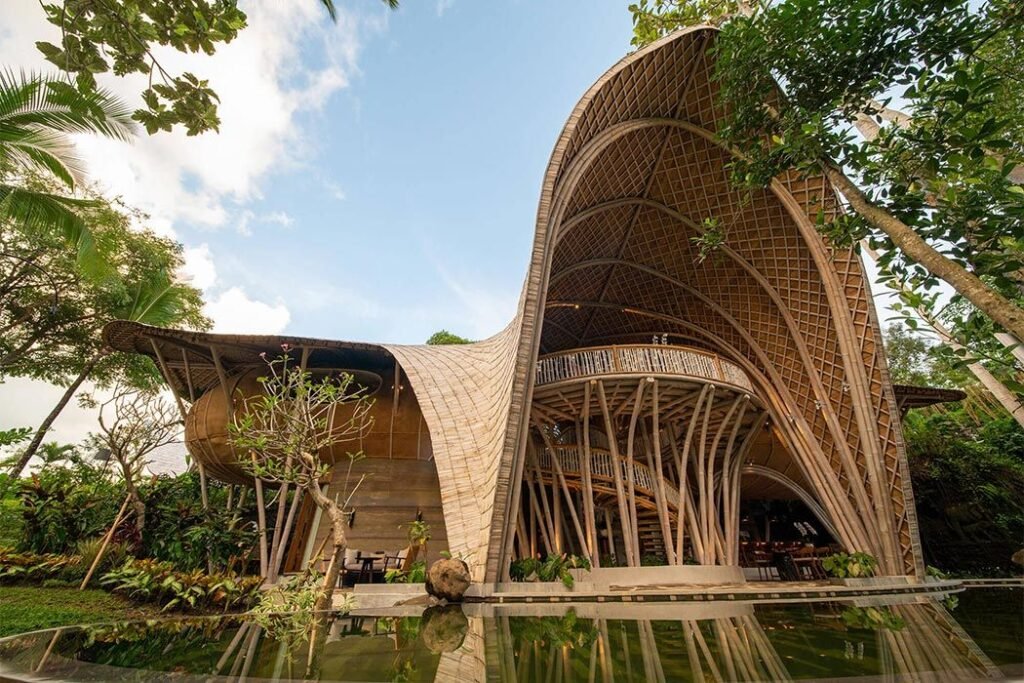
Bamboo and other rapidly renewable woods are increasingly used for shingles and shakes. These materials are lightweight, biodegradable, and have a lower environmental impact compared to traditional wood. When sourced responsibly, they offer a beautiful and sustainable alternative for residential roofs.
Clay and Slate Tiles
Natural clay and slate tiles are long-lasting, fireproof, and require minimal processing. Their thermal mass helps regulate indoor temperatures, making them suitable for both hot and cold climates. While the initial investment can be higher, their durability often results in lower long-term costs.
Hemp-Based and Eco-Friendly Insulation
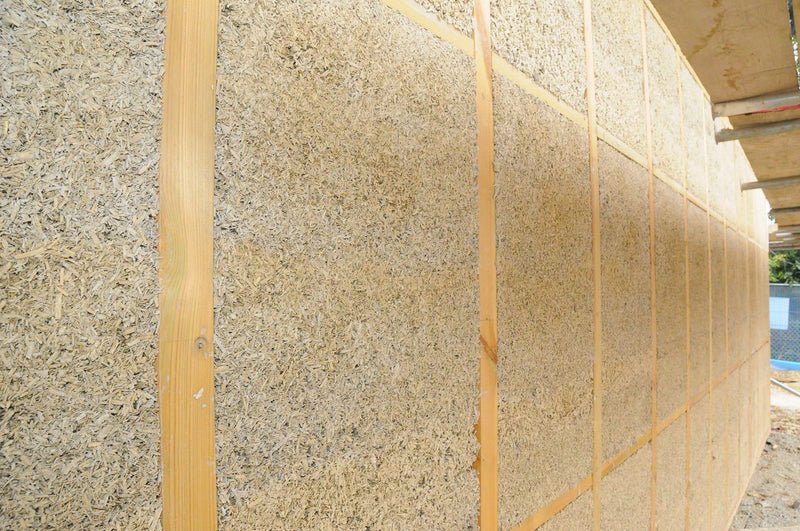
Proper insulation is critical to maximizing the benefits of any green roof. Hemp insulation, for example, is a renewable, non-toxic material that offers excellent thermal performance. For a closer look at its versatility, the article on hemp insulation uses explores its many applications in sustainable building.
Reclaimed and Recycled Roofing Materials
Using reclaimed wood, rubber, or composite shingles made from recycled content is another way to reduce environmental impact. These materials divert waste from landfills and often have unique visual appeal. For more on this topic, see the article on reclaimed wood in construction and how it adds sustainable character to buildings.
Key Considerations When Selecting Eco-Friendly Roofing
When evaluating green roofing materials options, it’s important to consider several factors:
- Climate Suitability: Some materials perform better in certain climates. For example, cool roofs are ideal for hot, sunny regions, while heavy slate or clay tiles are better suited to areas with freeze-thaw cycles.
- Longevity and Maintenance: Durable materials may have a higher upfront cost but require less frequent replacement and repairs.
- Installation Requirements: Some green roofs, such as vegetative systems, may need additional structural support or specialized installation techniques.
- Local Availability: Sourcing materials locally can reduce transportation emissions and support regional economies.
- Certifications and Standards: Look for products with recognized eco-labels or certifications to ensure they meet environmental and performance criteria.
Integrating Insulation for Maximum Efficiency
Pairing sustainable roofing with effective insulation is essential for optimal energy performance. Materials like hemp, cellulose, and fiberglass can be used in combination with green roofs to further reduce heat loss and improve comfort. For more ideas, explore the article on eco friendly insulation materials to improve home efficiency.
Cost and Return on Investment
While some eco-friendly roofing solutions have a higher initial investment, the long-term savings on energy bills and maintenance often outweigh the upfront costs. Incentives and rebates may also be available for certain materials or systems, making sustainable choices more accessible. The durability and low maintenance of many green options add further value over time.
Resources for Sustainable Building Materials
For those looking to expand their knowledge, there are many resources dedicated to sustainable construction. A helpful overview of environmentally responsible products can be found in this guide to sustainable building materials, which covers a wide range of options for roofs and beyond.
Frequently Asked Questions
What are the main benefits of using green roofing materials?
Eco-friendly roofing materials help reduce energy consumption, lower utility bills, and minimize environmental impact. They often provide better insulation, reduce stormwater runoff, and can extend the lifespan of the roof. Additionally, many options contribute to improved indoor air quality and support local ecosystems.
How do I choose the right sustainable roofing material for my climate?
Consider your local weather patterns, building codes, and the specific performance characteristics of each material. For example, cool roofs are best for hot climates, while slate or clay tiles work well in regions with temperature extremes. Consulting with a green building professional can help you make the best choice for your location.
Are green roofs difficult to maintain?
Maintenance requirements vary depending on the type of green roof. Extensive systems with low-growing plants need minimal care, while intensive systems with larger vegetation may require regular watering and upkeep. Most sustainable roofing materials, however, are designed for durability and long-term performance.