As the demand for eco-friendly construction grows, natural materials are gaining attention for their ability to deliver both performance and sustainability. Among these, cork insulation properties stand out for their unique combination of thermal efficiency, renewability, and versatility. Whether you’re retrofitting an older building or designing a new energy-efficient home, understanding how cork addresses thermal gaps can help you make informed decisions for a healthier, greener living space.
In this guide, we’ll explore the science behind cork’s insulating abilities, its environmental benefits, and how it compares to other popular options. For those interested in a broader look at sustainable building, you might also want to read about eco friendly insulation materials that can improve your home’s efficiency.
Understanding the Science Behind Cork’s Insulating Abilities
Cork is harvested from the bark of the cork oak tree, a process that does not harm the tree and allows it to regenerate its bark over time. The cellular structure of cork is what gives it its remarkable thermal insulation properties. Each cubic centimeter of cork contains around 40 million air-filled cells, creating a natural barrier that slows down the transfer of heat and cold.
This structure makes cork an excellent material for filling thermal gaps in walls, floors, and ceilings. The trapped air within the cells acts as a buffer, reducing heat loss in winter and keeping interiors cooler in summer. As a result, buildings insulated with cork can maintain a more stable indoor temperature, reducing reliance on heating and cooling systems.
Key Benefits of Using Cork for Thermal Gaps
When considering insulation materials, it’s important to look beyond just the R-value. Here are some of the main advantages of using cork to address gaps in your building envelope:
- Natural Thermal Barrier: Cork’s unique cellular makeup provides excellent resistance to heat flow, making it highly effective at minimizing energy loss.
- Sound Insulation: In addition to thermal performance, cork also dampens sound, creating a quieter indoor environment.
- Moisture Resistance: Cork is naturally resistant to mold, mildew, and rot, making it suitable for areas prone to humidity or condensation.
- Fire Retardant: Cork does not release toxic gases when exposed to fire and has a slow combustion rate, adding an extra layer of safety.
- Durability: Properly installed cork insulation can last for decades without significant loss of performance.
Environmental Advantages of Cork Insulation
One of the most compelling reasons to choose cork is its minimal environmental impact. Cork oak forests are not only renewable but also play a crucial role in supporting biodiversity and absorbing carbon dioxide. Harvesting cork bark actually encourages tree growth and extends the lifespan of the trees.
Unlike synthetic insulation materials, cork is biodegradable and can be recycled at the end of its life cycle. Its production process typically involves low energy consumption and generates minimal waste. For those seeking a holistic approach to green building, cork aligns well with the principles of sustainable design.
For more on the broader benefits of green materials, check out this article on the advantages of eco-friendly construction materials.
Comparing Cork to Other Natural Insulation Materials
When evaluating insulation for thermal gaps, it’s useful to compare cork with other natural options. Materials like sheep’s wool, cellulose, and hemp are also popular for their eco-friendly credentials. However, cork stands out for its combination of moisture resistance, durability, and fire safety.
For those interested in exploring a wider range of natural options, our guide on natural insulation materials for homes provides a detailed comparison of several sustainable choices.
While sheep’s wool excels at regulating indoor humidity and cellulose is often praised for its affordability, cork’s unique cellular structure gives it an edge in both thermal and acoustic performance. Additionally, cork’s resistance to pests and decay makes it a low-maintenance solution for a variety of climates.
Applications and Installation Tips for Cork Insulation
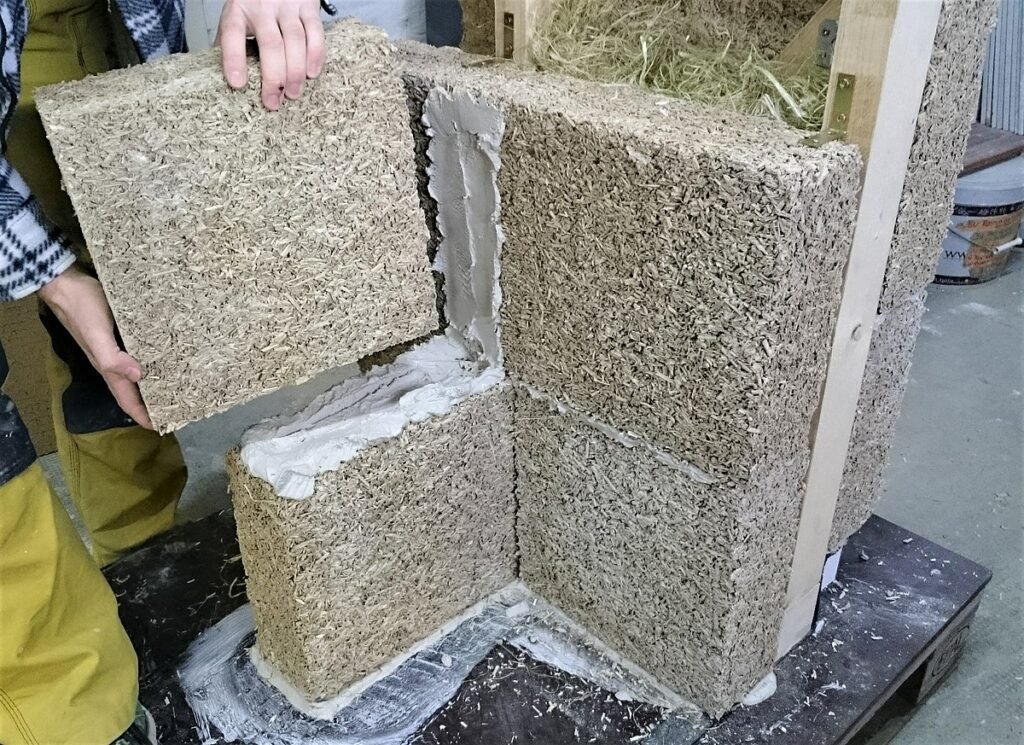
Cork can be used in a variety of applications, from wall and roof insulation to underlayment for floors. It’s available in boards, rolls, and loose-fill forms, making it adaptable to different construction needs. For best results, ensure that all thermal gaps—such as those around windows, doors, and between framing members—are properly sealed before installing cork panels or rolls.
Installation is straightforward, often requiring only basic tools and adhesives. Because cork is lightweight and easy to cut, it can be fitted into irregular spaces without much waste. When used as an underlayment, cork not only insulates but also provides a comfortable, resilient surface underfoot.
For those interested in integrating other green building elements, combining cork with living roof systems benefits or reclaimed wood in construction can further enhance your home’s sustainability profile.
Maintenance and Longevity of Cork-Based Solutions
One of the advantages of cork is its low maintenance requirements. Once installed, it typically requires little attention beyond occasional checks for physical damage. Cork’s resistance to moisture and pests means it retains its insulating properties for many years, making it a cost-effective investment over the long term.
Should repairs be needed, damaged sections can usually be replaced without disturbing the rest of the installation. At the end of its useful life, cork can be composted or recycled, ensuring that it does not contribute to landfill waste.
Frequently Asked Questions
Is cork insulation suitable for all climates?
Yes, cork performs well in a wide range of climates. Its natural resistance to moisture and temperature fluctuations makes it effective in both hot and cold environments. However, for extremely humid areas, it’s important to ensure proper installation to prevent any moisture ingress behind the insulation.
How does cork compare to fiberglass or foam insulation?
Cork offers comparable thermal performance to many synthetic options but with added benefits such as biodegradability, renewability, and improved indoor air quality. While fiberglass and foam may have slightly higher R-values, cork’s durability, soundproofing, and environmental profile make it a strong alternative for those prioritizing sustainability.
Can cork insulation help with soundproofing?
Absolutely. Cork’s dense, cellular structure absorbs sound waves, reducing noise transmission between rooms and from outside sources. This makes it a popular choice for multi-family dwellings, offices, and any space where acoustic comfort is a priority.
Conclusion: Making the Switch to Cork for a Greener Home
Choosing the right insulation is a crucial step in improving your home’s energy efficiency and comfort. With its blend of thermal performance, environmental responsibility, and long-term durability, cork is a standout option for addressing thermal gaps. By integrating cork into your construction or renovation plans, you’re not only enhancing your living environment but also supporting a more sustainable future.