Choosing the right insulation is essential for a comfortable, energy-efficient, and healthy living space. Many homeowners are turning to natural insulation materials for homes to reduce indoor air pollution, minimize environmental impact, and create a safer indoor environment. Unlike conventional options that may release chemicals or trap moisture, eco-friendly alternatives offer both performance and peace of mind.
This guide explores the most effective natural insulation options, their benefits, and how they contribute to cleaner indoor air. You’ll also find practical advice on selecting and installing these materials, as well as links to further resources on sustainable building techniques.
For those interested in specific natural building techniques, you can learn more about straw bale construction benefits and how they provide high-grade, eco-friendly insulation. These approaches not only improve energy efficiency but also support a healthier home environment.
Why Choose Eco-Friendly Insulation?
Traditional insulation materials like fiberglass and foam can contain synthetic chemicals, formaldehyde, or flame retardants that may off-gas into your living space. Over time, these substances can affect indoor air quality and even trigger allergies or respiratory issues. In contrast, natural insulation materials for homes are made from renewable resources and processed with minimal additives, making them a safer choice for your family and the environment.
- Reduced chemical exposure: Fewer volatile organic compounds (VOCs) and toxins are released indoors.
- Moisture regulation: Many natural options help manage humidity, reducing the risk of mold growth.
- Lower carbon footprint: Renewable resources and biodegradable materials minimize environmental impact.
- Thermal and acoustic performance: Natural insulators often match or exceed the performance of synthetic alternatives.
Popular Natural Insulation Materials for Homes
There is a growing range of sustainable insulation products available. Each offers unique advantages for different climates, budgets, and construction types. Here are some of the most widely used options:
Bamboo Fiber and Panels
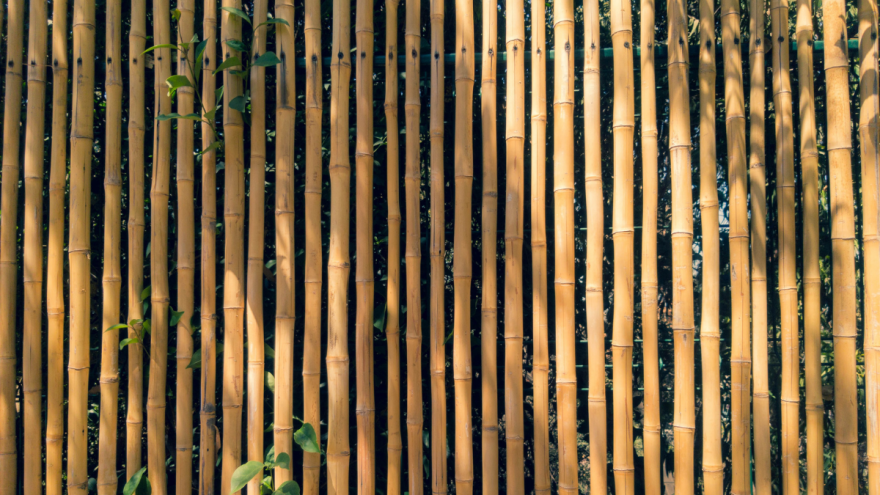
Bamboo is a fast-growing, renewable resource that can be processed into insulation panels or loose-fill fiber. It offers excellent thermal performance, naturally resists pests, and is highly breathable. Bamboo-based insulation is also compostable at the end of its life, making it an attractive choice for eco-conscious homeowners. For more on the structural benefits of bamboo, see this overview of bamboo construction materials advantages.
Sheep’s Wool Insulation
Sheep’s wool is a natural, renewable, and highly effective insulator. Its unique fiber structure traps air, providing excellent thermal and acoustic insulation. Wool can absorb and release moisture without losing its insulating properties, helping to regulate indoor humidity. It is naturally fire-resistant and can even neutralize indoor air pollutants such as formaldehyde.
Cellulose (Recycled Paper)
Cellulose insulation is made primarily from recycled newspaper and treated with non-toxic fire retardants. It is a cost-effective, high-performance option that diverts waste from landfills. Cellulose is dense, which helps block air leaks and provides good soundproofing. Its eco-friendly profile makes it a popular choice for green building projects.
Hemp and Hempcrete
Hemp fibers can be processed into batts or loose-fill insulation, offering strong thermal and acoustic properties. Hemp is naturally resistant to pests and mold, and its cultivation requires little pesticide or fertilizer. Hempcrete, a mixture of hemp hurds and lime, is used for both insulation and structural purposes. To learn more about its advantages, see hempcrete building material uses.
Cork Insulation
Cork is harvested from the bark of cork oak trees without harming the tree, making it a renewable and sustainable resource. Cork insulation is lightweight, moisture-resistant, and provides excellent sound absorption. It is naturally fire-retardant and does not release harmful chemicals.
Straw Bale Construction
Straw bales are used as building blocks in walls, providing both structure and insulation. This method is highly sustainable, as straw is an agricultural byproduct. Straw bale walls offer impressive thermal resistance and help maintain stable indoor temperatures. For a deeper dive into this technique, check out the detailed guide on straw bale construction benefits.
Clay and Earth-Based Materials
Clay plasters and earth-based insulation materials are gaining popularity for their ability to regulate humidity and temperature. These materials are non-toxic, locally sourced, and contribute to a healthy indoor environment. More information on their advantages can be found in the article on clay building materials benefits.
How Natural Insulation Improves Indoor Air Quality
One of the most significant benefits of using natural insulation materials for homes is their positive impact on indoor air. Many synthetic insulators can emit VOCs and other chemicals over time, contributing to indoor air pollution. In contrast, natural options are typically free from harmful additives and can even help purify the air.
- Low or zero VOC emissions: Most eco-friendly insulators are processed without harsh chemicals.
- Moisture management: Materials like wool and clay absorb and release moisture, reducing the risk of mold and mildew.
- Allergen reduction: Natural fibers are less likely to harbor dust mites or allergens compared to synthetic fibers.
- Odor control: Some materials, such as wool, can absorb and neutralize odors and airborne toxins.
For a broader look at sustainable and eco-friendly building materials, see this comprehensive review of green building solutions.
Choosing and Installing Eco-Friendly Insulation
When selecting a sustainable insulation product, consider the following factors:
- Thermal performance (R-value): Ensure the material meets your region’s energy code requirements.
- Moisture resistance: Choose options that suit your climate and building design.
- Fire safety: Check for natural fire resistance or safe fire retardant treatments.
- Availability and cost: Some materials may be more accessible or affordable depending on your location.
- Installation method: Some products are suitable for DIY, while others require professional installation.
Proper installation is crucial for maximizing the benefits of any insulation. Gaps, compression, or improper placement can reduce effectiveness and compromise air quality. Always follow manufacturer guidelines or consult with a green building professional.
Frequently Asked Questions
Are natural insulation materials as effective as synthetic options?
Many eco-friendly insulators, such as sheep’s wool, cellulose, and hemp, offer comparable or even superior thermal and acoustic performance to conventional products. The key is to select the right material and ensure proper installation.
Do natural insulators attract pests or mold?
Most sustainable insulation materials are naturally resistant to pests and mold. For example, wool contains lanolin, which deters insects, and hemp is naturally mold-resistant. Proper moisture management and installation further reduce these risks.
How do I know which eco-friendly insulation is best for my home?
Consider your climate, budget, building type, and personal health priorities. Research the R-value, fire safety, and moisture resistance of each option. Consulting with a green building expert can help you make the best choice for your specific needs.
Can I combine different natural insulation materials?
Yes, in some cases, combining materials like cellulose and wool can enhance performance and address specific needs such as soundproofing or moisture control. Always ensure compatibility and follow expert recommendations.
Conclusion
Switching to natural insulation materials for homes is a practical step toward a healthier, more sustainable living environment. These materials offer strong thermal performance, improved indoor air quality, and a reduced environmental footprint. As awareness grows, more homeowners are discovering the benefits of eco-friendly insulation for both new construction and renovations. For further inspiration on earth-based building, see the guide to rammed earth construction technique and how it contributes to beautiful, durable, and energy-efficient homes.