Choosing the right construction materials is essential for creating buildings that are comfortable, healthy, and energy-efficient. Among the many options available, clay building materials benefits stand out for their ability to regulate temperature and manage indoor moisture. These natural products have been used for centuries, and their relevance continues in modern sustainable construction.
In this article, we’ll explore how clay-based materials like bricks, tiles, and plasters help maintain optimal indoor environments. We’ll also compare them to other eco-friendly options and highlight their role in sustainable design. For readers interested in broader green construction topics, consider learning more about biodegradable building materials and their impact on the future of construction.
How Clay-Based Materials Regulate Temperature
One of the most significant advantages of clay construction materials is their ability to moderate indoor temperatures. Clay bricks, tiles, and plasters possess a high thermal mass, meaning they can absorb, store, and gradually release heat. This property helps keep buildings cooler during hot days and warmer during cold nights, reducing the need for artificial heating and cooling.
- Thermal mass: Clay absorbs heat from sunlight or indoor sources and releases it slowly, smoothing out temperature swings.
- Energy efficiency: By reducing reliance on HVAC systems, clay walls and floors can help lower energy bills and carbon emissions.
- Comfort: Consistent indoor temperatures contribute to a more comfortable living or working environment.
Compared to lightweight materials, which heat up and cool down quickly, clay’s thermal properties make it ideal for passive solar design and sustainable architecture. For those interested in other natural solutions, exploring bamboo construction materials advantages can provide additional insights into eco-friendly building strategies.
Moisture Control and Indoor Air Quality
Managing humidity is crucial for both building durability and occupant health. Clay-based products excel at regulating indoor moisture due to their natural porosity. They can absorb excess humidity when levels are high and release it when the air becomes dry, helping maintain balanced indoor conditions.
- Moisture buffering: Clay plasters and bricks act as a buffer, reducing the risk of condensation, mold, and mildew.
- Healthy air: By keeping humidity in check, clay materials help prevent allergens and improve overall indoor air quality.
- Durability: Proper moisture management extends the lifespan of both the building structure and its finishes.
This natural humidity regulation is especially valuable in climates with significant seasonal changes or in buildings with varying occupancy levels. When combined with other sustainable materials, such as those discussed in renewable construction materials, clay can form part of a holistic approach to green building.

Eco-Friendly and Sustainable Qualities
Beyond their performance, clay building materials benefits extend to sustainability. Clay is abundant, non-toxic, and can often be sourced locally, reducing transportation emissions. Its production typically requires less energy compared to conventional materials like cement or steel.
- Low embodied energy: Traditional clay bricks and tiles are fired at lower temperatures, and unfired options (like adobe) use even less energy.
- Recyclability: Clay products can often be reused or returned to the earth at the end of their life cycle.
- Minimal chemical additives: Most clay materials are free from harmful chemicals, contributing to healthier indoor environments.
For those interested in reducing the environmental impact of construction, clay is a strong candidate. It pairs well with other green innovations, such as eco friendly cement alternatives, to create buildings that are both resilient and environmentally responsible.
Comparing Clay to Other Natural Materials
While clay offers unique advantages, it’s helpful to compare it with other natural building materials. Bamboo, hempcrete, and wood are all popular in sustainable construction, each with their own strengths.
| Material | Thermal Regulation | Moisture Control | Sustainability |
|---|---|---|---|
| Clay | Excellent (high thermal mass) | Very good (moisture buffering) | High (abundant, low-impact) |
| Bamboo | Moderate | Good (if treated) | Very high (rapidly renewable) |
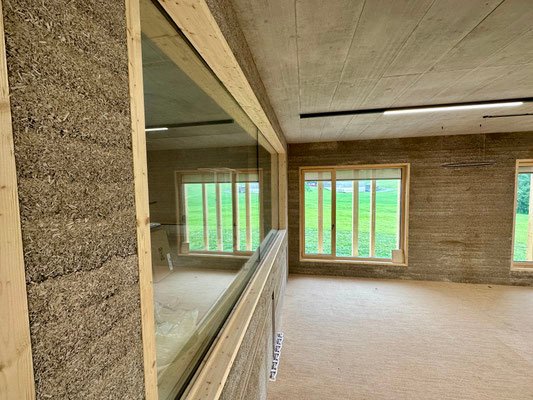
| Hempcrete | Good (insulating) | Good (breathable) | High (renewable, carbon-negative) |
| Wood | Moderate | Variable (depends on species and treatment) | High (if sourced sustainably) |
Each material brings something different to the table. For example, hempcrete building material uses highlight its insulating and carbon-sequestering properties, while bamboo is valued for its rapid renewability and strength. Clay’s standout features remain its thermal mass and moisture regulation, making it a reliable choice for many climates.
Applications and Design Considerations
Clay-based materials can be used in a variety of ways, from structural walls to decorative finishes. Here are some common applications:
- Bricks and blocks: Used for load-bearing walls, providing both structure and thermal regulation.
- Tiles: Ideal for floors and roofs, offering durability and temperature control.
- Plasters: Applied to interior walls for moisture buffering and a natural aesthetic.
When designing with clay, it’s important to consider:
- Local climate and humidity levels
- Availability of skilled labor for traditional techniques
- Integration with insulation and other building systems
Combining clay with other sustainable materials can enhance performance. For example, pairing clay walls with other sustainable building materials can create a balanced, eco-friendly structure tailored to specific needs.
Challenges and Limitations
While the benefits of clay building materials are substantial, there are some challenges to consider:
- Weight: Clay bricks and blocks are heavy, which may increase transportation and structural costs.
- Construction speed: Traditional clay techniques can be labor-intensive and slower than modern alternatives.
- Water sensitivity: Unfired clay products (like adobe) require protection from excessive moisture and may not be suitable for all climates.
Despite these challenges, advances in manufacturing and construction methods are making clay more accessible and adaptable. When properly designed and maintained, clay-based structures can last for generations.
Frequently Asked Questions
What makes clay materials effective for temperature regulation?
Clay’s high thermal mass allows it to absorb and store heat during the day and release it at night, helping to stabilize indoor temperatures and reduce reliance on heating and cooling systems.
How do clay products help control indoor moisture?
Clay is naturally porous, so it can absorb excess humidity from the air and release it when conditions are dry. This process helps maintain balanced indoor humidity and reduces the risk of mold and mildew.
Are clay building materials environmentally friendly?
Yes, clay is abundant, non-toxic, and often locally sourced. Its production generally requires less energy than many conventional materials, and it can be recycled or safely returned to the earth at the end of its life cycle.
Can clay be combined with other sustainable materials?
Absolutely. Clay works well alongside other green materials such as bamboo, hempcrete, and eco-friendly cement alternatives, allowing for customized solutions that maximize sustainability and performance.
In summary, the advantages of clay-based construction are clear: effective temperature and moisture regulation, sustainability, and compatibility with other natural materials. By understanding these qualities, builders and homeowners can make informed choices that support both comfort and environmental responsibility.