
The construction industry is undergoing a major transformation as builders, architects, and homeowners increasingly prioritize renewable construction materials for their projects. These materials, derived from rapidly replenishing natural sources or recycled content, offer a pathway to more sustainable, environmentally responsible building practices. By choosing resources that can be regenerated or reused, the sector can significantly reduce its carbon footprint, conserve finite resources, and create healthier spaces for occupants.
Understanding how to source and implement these sustainable options is crucial for anyone looking to future-proof their buildings. This article explores the most promising renewable resources, how to evaluate suppliers, and the long-term benefits of integrating these materials into modern construction. For those interested in a broader look at eco-friendly solutions, our guide on benefits of eco friendly building materials provides additional insights into the positive impacts of sustainable choices.
What Makes a Construction Material Renewable?
Not all sustainable building products are created equal. To be considered renewable, a material must come from sources that can regenerate within a short period—typically within a human lifetime or less. This includes plant-based products like bamboo or cork, as well as recycled materials that divert waste from landfills and reduce the need for virgin resources.
Key characteristics of renewable options include:
- Rapid regrowth or replenishment (e.g., bamboo matures in 3–5 years)
- Minimal environmental impact during harvesting or processing
- Potential for recycling or reuse at end of life
- Low embodied energy compared to conventional alternatives
For a deeper dive into natural alternatives, see our article on natural building materials for homes, which highlights healthier options for residential projects.
Popular Renewable Materials in Modern Construction
Builders today have access to a growing range of eco-friendly products that meet both performance and sustainability goals. Here are some of the most widely used renewable construction materials:
Bamboo: The Fast-Growing Powerhouse
Bamboo is one of the most versatile and rapidly renewable resources available. It can be harvested in a few years, is incredibly strong for its weight, and is used for flooring, paneling, structural supports, and even exterior cladding. Its natural resistance to pests and moisture adds to its appeal.
Cork: Renewable and Resilient
Cork is harvested from the bark of cork oak trees without harming the tree itself, allowing it to regenerate every 9–12 years. It is naturally antimicrobial, fire-resistant, and provides excellent thermal and acoustic insulation. Cork is commonly used for flooring, wall panels, and underlayment.
Recycled and Upcycled Materials
Using recycled content—such as glass, steel, or reclaimed wood—reduces the demand for new raw materials and diverts waste from landfills. Many innovative products now incorporate post-consumer or post-industrial waste, offering both environmental and performance benefits. For more examples, explore our resource on recycled construction materials examples for zero-waste building.
Plant-Based Insulation
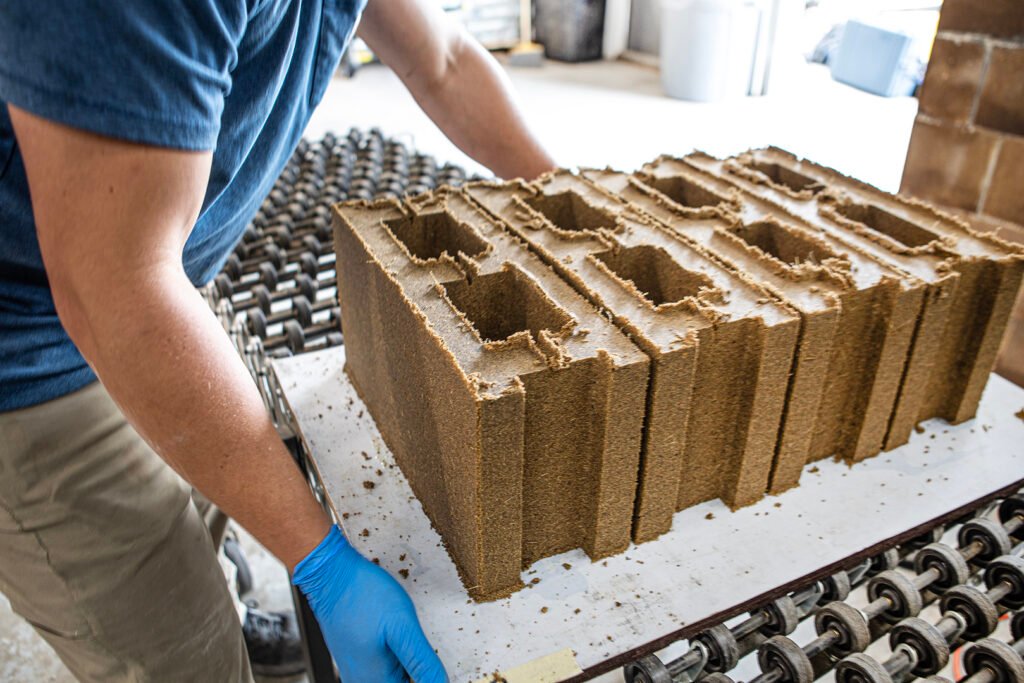
Insulation made from sheep’s wool, cellulose (recycled paper), or even hemp is gaining popularity as a renewable alternative to traditional fiberglass or foam. These options are biodegradable, have low embodied energy, and can help regulate indoor humidity.
Emerging Innovations: Ferrock and Beyond
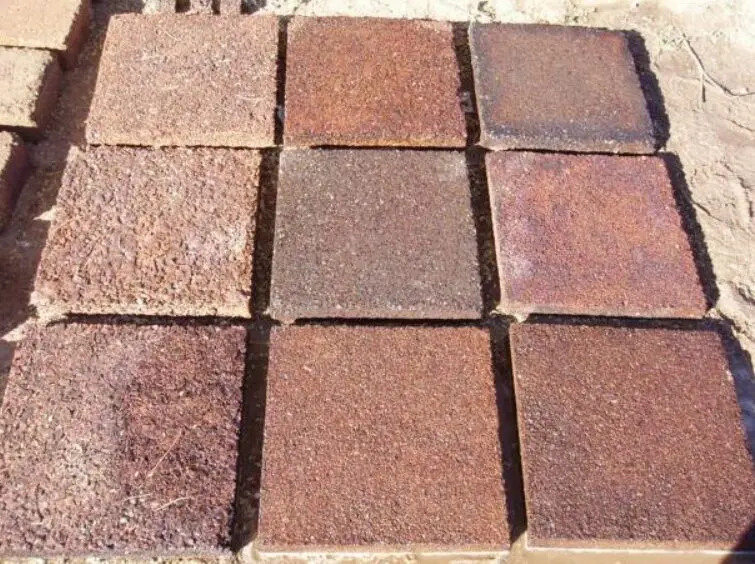
New materials like Ferrock, which is made from recycled steel dust and waste glass, are pushing the boundaries of sustainability. Ferrock not only sequesters carbon dioxide during curing but also offers strength and durability comparable to traditional concrete. For those interested in low-impact alternatives, our article on green concrete materials covers more innovative solutions.
Sourcing Strategies for Long-Term Sustainability
Finding reliable suppliers of renewable construction materials requires careful research and a commitment to transparency. Here are some best practices to ensure your sourcing supports long-term environmental goals:
- Verify Certifications: Look for third-party certifications such as FSC (Forest Stewardship Council) for wood, Cradle to Cradle, or GREENGUARD for indoor air quality.
- Assess Local Availability: Sourcing materials locally reduces transportation emissions and supports regional economies.
- Evaluate Lifecycle Impact: Consider the full lifecycle of the material—from extraction to disposal—to ensure it aligns with sustainability objectives.
- Request Transparency: Ask suppliers for Environmental Product Declarations (EPDs) or Life Cycle Assessments (LCAs) to understand the true impact of their products.
For a comprehensive list of eco-friendly options, see this resource on sustainable building materials, which covers both established and emerging products.
Long-Term Benefits of Renewable Building Choices
Investing in renewable construction materials offers a range of advantages that extend far beyond the initial build:
- Reduced Carbon Footprint: Many renewable products store carbon or require less energy to produce, helping to mitigate climate change.
- Healthier Indoor Environments: Natural materials often emit fewer volatile organic compounds (VOCs), improving air quality for occupants.
- Durability and Performance: Properly sourced renewable options can match or exceed the longevity of conventional materials.
- Regulatory and Market Value: Green certifications and sustainable features can enhance property value and meet evolving building codes.
To further reduce your project’s impact, consider integrating low carbon building materials alongside renewable options for a holistic approach to sustainability.
Challenges and Considerations in Adoption
While the benefits are clear, there are some challenges to widespread adoption of renewable materials:
- Availability: Not all regions have easy access to certain renewable resources, which can affect cost and lead times.
- Performance Standards: Some innovative materials may not yet be fully recognized in local building codes.
- Cost: Upfront prices can be higher, though long-term savings often offset initial investments.
- Education: Builders and clients may need guidance on the proper use and maintenance of new materials.
Despite these hurdles, the trend toward sustainable construction is accelerating as more stakeholders recognize the value of renewable resources for both the environment and the bottom line.
Frequently Asked Questions
What are the most common renewable materials used in construction?
Some of the most popular renewable options include bamboo, cork, reclaimed wood, recycled steel, sheep’s wool insulation, and plant-based composites. These materials are chosen for their rapid regrowth, low environmental impact, and strong performance characteristics.
How do renewable construction materials compare in cost to traditional options?
While some renewable products may have higher upfront costs, they often deliver long-term savings through durability, reduced maintenance, and improved energy efficiency. Additionally, incentives and certifications can help offset initial expenses.
Are there any certifications to look for when sourcing renewable building products?
Yes, certifications such as FSC for wood, Cradle to Cradle, GREENGUARD, and Environmental Product Declarations (EPDs) help verify the sustainability and safety of materials. These labels ensure that products meet rigorous environmental and health standards.
Conclusion
Choosing renewable construction materials is a practical and impactful way to build for the future. By understanding the options available, sourcing responsibly, and considering the full lifecycle of each product, builders and homeowners can create structures that are both resilient and environmentally sound. As the industry continues to innovate, integrating these materials will become not just a trend, but the standard for responsible construction.