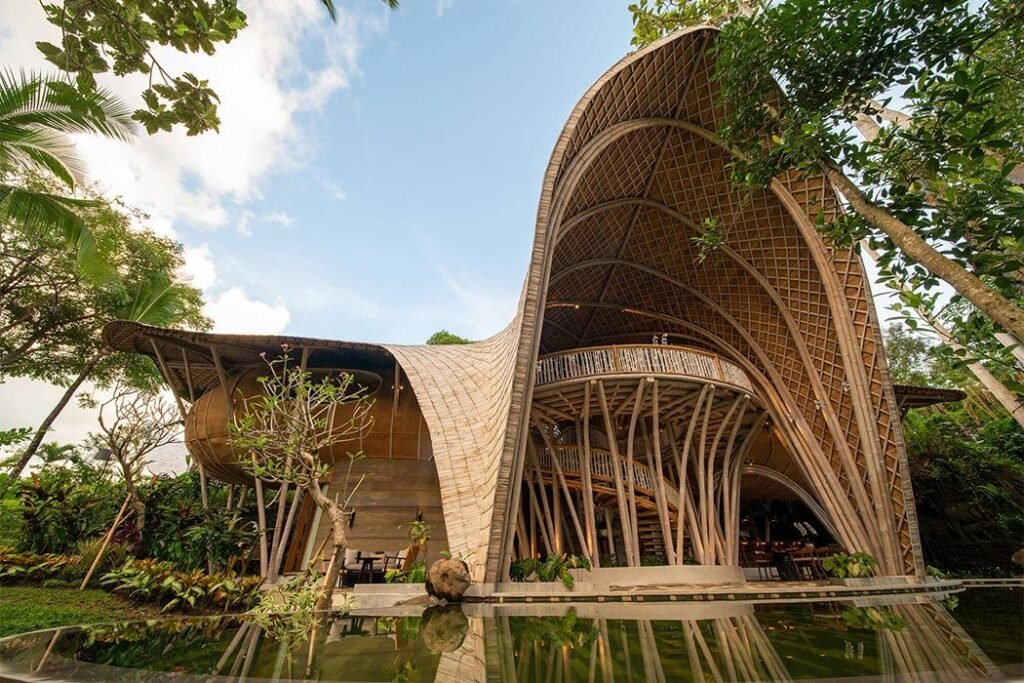
As the construction industry seeks to address climate change, the use of low carbon building materials has become a top priority for architects, builders, and homeowners. These innovative materials are designed to minimize greenhouse gas emissions throughout their lifecycle, from extraction and manufacturing to installation and eventual disposal. By choosing products that have a reduced environmental impact, you can significantly lower your project’s carbon footprint while also improving energy efficiency and indoor air quality.
Understanding which materials offer the best balance of sustainability, durability, and performance is essential for anyone planning a new build or renovation. This article explores the most effective options, practical benefits, and key considerations for integrating low-emission materials into your next project. For a broader overview of sustainable construction practices, you may also be interested in learning about environmentally friendly construction methods that complement material choices.
What Makes a Building Material Low Carbon?
Materials are considered low carbon when their production, transportation, use, and disposal result in fewer carbon dioxide emissions compared to conventional alternatives. This can be achieved through:
- Using renewable or rapidly regenerating resources
- Recycling or reusing existing materials
- Reducing energy consumption during manufacturing
- Enhancing energy efficiency in finished buildings
For example, timber harvested from sustainably managed forests stores carbon throughout its life, while recycled steel and concrete reduce the need for new raw materials and the emissions associated with their extraction and processing.
Leading Low Carbon Building Materials for Modern Projects
There is a growing range of options available for those seeking to lower the environmental impact of their construction projects. Below are some of the most popular and effective choices:
Engineered Timber and Sustainably Sourced Wood
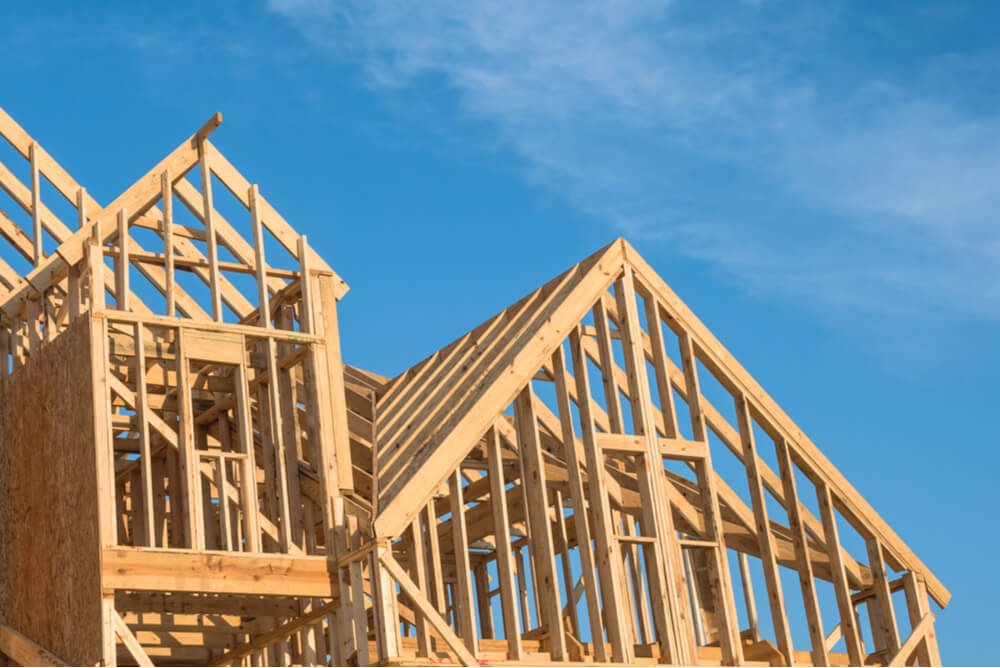
Wood is a naturally renewable resource that acts as a carbon sink, locking away carbon dioxide absorbed during tree growth. Engineered wood products such as cross-laminated timber (CLT) and glulam beams offer enhanced strength and stability, making them suitable for a wide variety of structural applications. When sourced from certified sustainable forests, these products provide a robust, eco-friendly alternative to steel and concrete.
Hempcrete and Plant-Based Alternatives
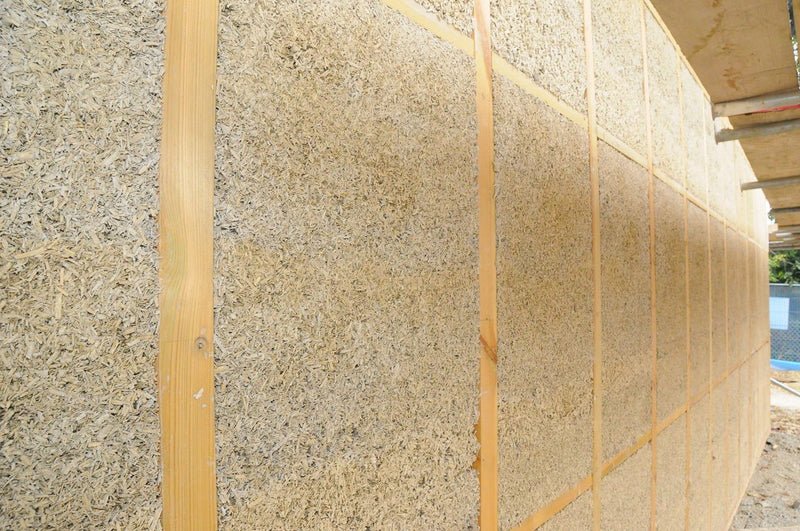
Hempcrete is a bio-composite material made from the woody core of the hemp plant mixed with a lime-based binder. It is lightweight, highly insulating, and absorbs more carbon dioxide during the curing process than it emits during production. Other plant-based materials, such as straw bale and cork, also offer excellent insulation and low embodied carbon.
Recycled and Reclaimed Materials
Using recycled steel, glass, and concrete can dramatically lower the embodied carbon of a building. These materials require less energy to produce compared to their virgin counterparts. Reclaimed wood, bricks, and tiles not only reduce waste but also add unique character to new spaces. For a comprehensive overview of options, see this green building materials list that highlights both recycled and natural alternatives.
Insulation That Minimizes Carbon Emissions
Effective insulation is key to reducing operational energy use, which in turn lowers a building’s overall carbon footprint. Products such as cellulose (made from recycled paper), sheep’s wool, and fiberglass insulation rolls are popular choices. These materials offer high thermal performance with minimal environmental impact. For those interested in purchasing, see the options for fiberglass insulation rolls featured above.
Benefits of Choosing Low Carbon Materials
Opting for materials with a reduced carbon footprint offers several advantages beyond environmental responsibility:
- Energy Efficiency: Superior insulation and thermal mass can reduce heating and cooling costs.
- Healthier Indoor Environments: Many low carbon options emit fewer volatile organic compounds (VOCs).
- Regulatory Compliance: Meeting or exceeding green building standards can increase property value and marketability.
- Long-Term Savings: Durable, sustainable materials often require less maintenance and replacement over time.
For more details on the benefits of eco friendly building materials, explore how these choices positively impact both the planet and your budget.
How to Select the Right Materials for Your Project
When planning a sustainable build, consider the following criteria to ensure your material choices align with your environmental goals:
- Source and Certification: Look for products with third-party sustainability certifications, such as FSC for wood or Cradle to Cradle for composites.
- Embodied Carbon: Review Environmental Product Declarations (EPDs) to compare the carbon footprint of different products.
- Local Availability: Sourcing materials locally reduces transportation emissions and supports regional economies.
- Lifecycle Impact: Consider durability, maintenance requirements, and end-of-life recyclability.
For a deeper dive into sustainable product selection, refer to this guide to eco friendly construction materials that covers both basics and advanced considerations.
Innovations and Trends in Sustainable Construction
The industry is evolving rapidly, with new products and techniques emerging to further reduce carbon emissions. Some of the most promising trends include:
- Carbon-Negative Concrete: New formulations that absorb more CO2 than they emit during curing.
- Modular and Prefabricated Construction: Off-site manufacturing reduces waste and improves efficiency.
- Smart Material Tracking: Digital tools that monitor carbon emissions throughout the supply chain.
To stay updated on the latest advancements, you can explore resources like this comprehensive overview of sustainable building materials and their role in modern construction.
Frequently Asked Questions
What are the main advantages of using low carbon building materials?
These materials help reduce greenhouse gas emissions, improve energy efficiency, and often create healthier indoor environments. They can also contribute to long-term cost savings and regulatory compliance.
How do I know if a material is truly low carbon?
Look for third-party certifications, Environmental Product Declarations (EPDs), and information on sourcing and manufacturing processes. Materials made from recycled content or renewable resources typically have a lower carbon footprint.
Can low carbon materials be used in all types of construction?
Yes, there are options suitable for residential, commercial, and industrial projects. From structural elements like engineered timber to finishes and insulation, these materials can be integrated into most building types.
Where can I find more information about sustainable construction?
For further reading, check out this article on sustainable building materials and explore related guides on eco-friendly practices and product selection.