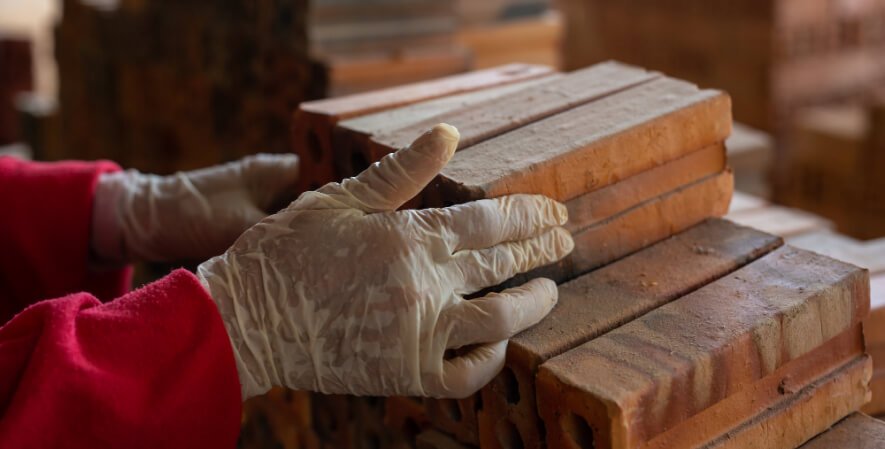
As the demand for environmentally conscious living grows, homeowners and builders are increasingly turning to sustainable building materials to reduce their ecological footprint. These innovative products not only help conserve natural resources but also contribute to healthier indoor environments and long-term energy savings. Whether you’re planning a new build or renovating an existing property, choosing the right materials can make a significant difference in both performance and sustainability.
Understanding the options available is essential for anyone committed to green construction. From rapidly renewable resources to recycled content and low-impact manufacturing, today’s market offers a wide range of choices that support eco-friendly design. For a comprehensive overview of eco friendly construction materials and their benefits, it’s helpful to explore guides that break down the pros and cons of each type.
Why Choose Eco-Conscious Construction Materials?
Opting for environmentally friendly products in construction offers multiple advantages. These materials are often sourced from renewable or recycled origins, minimizing the depletion of finite resources. They can also lower energy consumption during production and throughout the building’s lifespan, thanks to superior insulation and thermal properties.
Additionally, many green materials emit fewer volatile organic compounds (VOCs), improving indoor air quality and occupant health. By selecting products designed with the environment in mind, homeowners can also benefit from increased property value and potential eligibility for green building certifications.
Popular Sustainable Building Materials for Modern Homes
Let’s explore some of the most effective and widely used options for sustainable construction in contemporary residential projects.
Bamboo: Fast-Growing and Versatile
Bamboo is a standout among renewable resources due to its rapid growth rate and impressive strength-to-weight ratio. It’s commonly used for flooring, cabinetry, and even structural elements. Unlike traditional hardwoods, bamboo can be harvested in just a few years, making it a highly renewable choice.
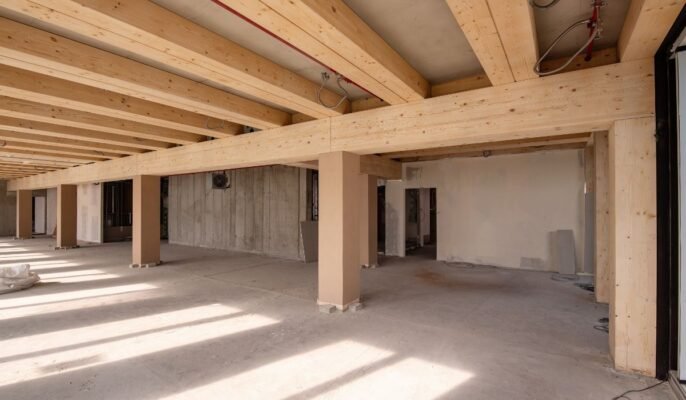
Bamboo’s durability and resistance to moisture make it suitable for a range of applications. Its aesthetic appeal also complements both modern and traditional interiors. For those interested in sustainable flooring, bamboo is a leading option that combines functionality with environmental responsibility.
Recycled Steel: Strength with a Smaller Carbon Footprint
Steel is prized for its structural capabilities, and when sourced from recycled content, it becomes an even more attractive choice for green construction. Recycled steel requires significantly less energy to produce than new steel, reducing greenhouse gas emissions and conserving raw materials.
It’s commonly used in framing, roofing, and support beams. The longevity and recyclability of steel ensure that it remains in circulation, supporting a circular economy. Builders seeking to minimize waste and maximize strength often turn to recycled steel for both residential and commercial projects.
Insulation Made from Recycled and Renewable Sources
Proper insulation is crucial for energy efficiency, and today’s market offers several eco-friendly options. Materials such as cellulose (made from recycled newspaper), sheep’s wool, and fiberglass with recycled glass content provide excellent thermal performance while reducing environmental impact.
These products help maintain comfortable indoor temperatures, lower heating and cooling costs, and reduce reliance on fossil fuels. When selecting insulation, it’s important to consider both the R-value and the sustainability of the raw materials used.
Reclaimed Wood: Character and Conservation
Reclaimed wood brings warmth and history to any home while diverting usable lumber from landfills. Salvaged from old buildings, barns, or industrial sites, this material is often more stable and visually unique than newly harvested wood.
Using reclaimed timber not only preserves forests but also adds character through distinctive grain patterns and patina. It’s suitable for flooring, wall paneling, beams, and furniture, making it a versatile option for eco-conscious design.
Low-Impact Concrete Alternatives
Traditional concrete production is energy-intensive and a major source of carbon emissions. Fortunately, new formulations are emerging that incorporate recycled aggregates, fly ash, or slag to reduce environmental impact. Some alternatives, like hempcrete and geopolymer concrete, offer similar strength with a fraction of the carbon footprint.
These innovative products can be used for foundations, walls, and floors, supporting both durability and sustainability goals. Builders looking to further reduce their impact may also consider permeable concrete, which helps manage stormwater runoff and supports healthy urban ecosystems.
Other Noteworthy Eco-Friendly Materials
- Cork: Harvested from the bark of cork oak trees without harming the tree, cork is a renewable and biodegradable option for flooring and wall coverings.
- Rammed Earth: This ancient technique uses compacted soil to create strong, thermally massive walls with minimal processing.
- Recycled Glass: Used in countertops, tiles, and decorative features, recycled glass reduces landfill waste and adds a modern touch to interiors.
- Straw Bale: An excellent insulator, straw bale construction is both affordable and highly energy efficient.
How to Select the Right Sustainable Materials for Your Project
Choosing the best eco-friendly products involves balancing several factors:
- Local Availability: Sourcing materials locally reduces transportation emissions and supports regional economies.
- Durability: Long-lasting products minimize the need for replacements and repairs, reducing overall resource consumption.
- Certifications: Look for third-party certifications such as FSC (Forest Stewardship Council) for wood or Cradle to Cradle for various products to ensure responsible sourcing.
- Health Impact: Prioritize materials with low VOC emissions and minimal chemical treatments for better indoor air quality.
It’s also helpful to consult resources like this comprehensive list of eco-friendly building materials to compare options and make informed decisions.
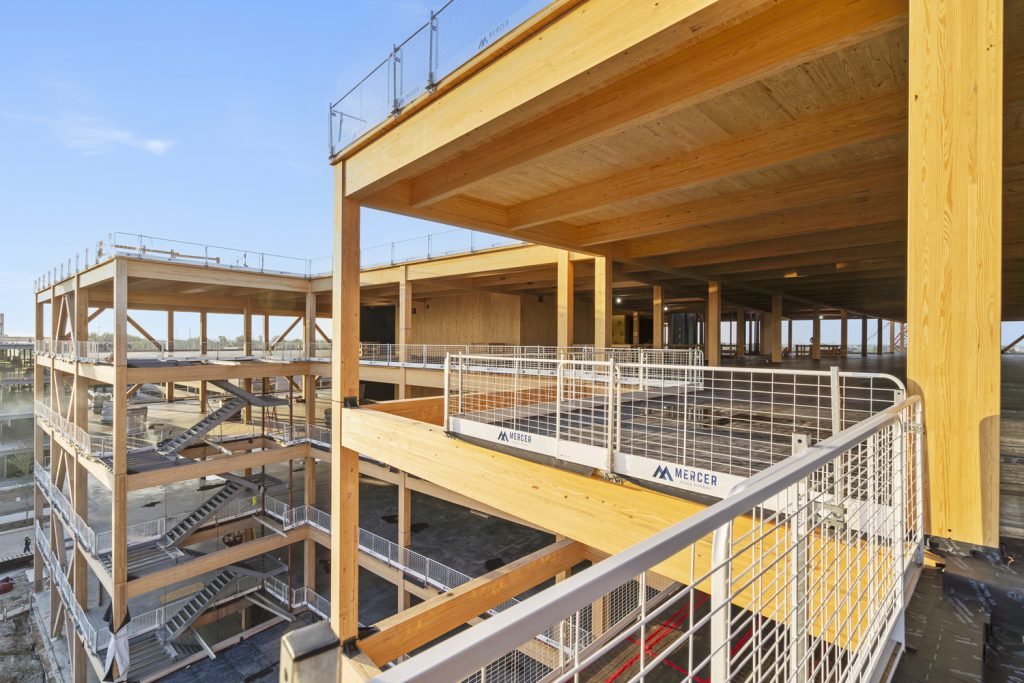
Integrating Green Materials Into Home Design
Incorporating eco-friendly products into your home doesn’t have to mean sacrificing style or comfort. Many of today’s sustainable building materials are designed with aesthetics in mind, offering a variety of colors, textures, and finishes to suit any architectural style. Whether you’re updating bathroom flooring (see our Bathroom flooring buyer’s guide) or planning a full-scale renovation, there are sustainable options for every application.
Working with architects and builders who have experience in green construction can help ensure that your project meets both your design goals and your environmental values. They can also advise on the best ways to maximize energy efficiency and minimize waste throughout the building process.
Frequently Asked Questions
What are the main benefits of using sustainable building materials?
Eco-friendly construction products help reduce resource depletion, lower energy consumption, and improve indoor air quality. They also support healthier living environments and can increase property value through enhanced durability and performance.
Are green materials more expensive than traditional options?
While some sustainable products may have higher upfront costs, they often lead to long-term savings through reduced maintenance, lower utility bills, and increased longevity. Additionally, prices are becoming more competitive as demand and production scale up.
How can I verify that a material is truly sustainable?
Look for third-party certifications such as FSC, Cradle to Cradle, or GREENGUARD. Research the manufacturer’s sourcing and production practices, and prioritize products with recycled content, renewable origins, and low emissions.
Can I use eco-friendly materials in renovations, or only in new builds?
Many sustainable options are suitable for both new construction and renovations. Reclaimed wood, bamboo flooring, and recycled insulation can all be integrated into existing homes to improve sustainability and performance.
Conclusion
Choosing the right sustainable building materials is a key step toward creating homes that are both modern and environmentally responsible. By considering factors like renewability, recycled content, and local sourcing, you can make informed decisions that benefit both your household and the planet. As green technology and design continue to evolve, the possibilities for eco-friendly construction will only expand, making it easier than ever to build a home that aligns with your values.