
With growing awareness of environmental impact, the demand for eco friendly materials for construction has never been higher. Builders, architects, and homeowners are seeking out sustainable options that reduce carbon footprints, conserve resources, and create healthier living spaces. Choosing the right materials can make a significant difference in both the environmental and economic performance of any building project.
From rapidly renewable resources to recycled content and low-emission products, the landscape of sustainable building materials is expanding. This guide explores some of the most effective and accessible options available today, highlighting their advantages, applications, and what to consider when integrating them into your next project.
For a more comprehensive overview of sustainable options, you can also refer to the green building materials list which details essentials for eco-conscious projects.
Bamboo: A Rapidly Renewable Resource
Bamboo stands out as one of the most sustainable building materials available. Its rapid growth rate—some species can grow up to three feet per day—means it can be harvested without depleting natural resources. Bamboo is strong, lightweight, and versatile, making it suitable for flooring, cabinetry, structural elements, and even wall coverings.
In addition to its renewability, bamboo absorbs more carbon dioxide and produces more oxygen than many traditional hardwoods. Its natural resistance to pests and moisture also reduces the need for chemical treatments, further enhancing its environmental credentials.
Recycled and Reclaimed Materials in Sustainable Building
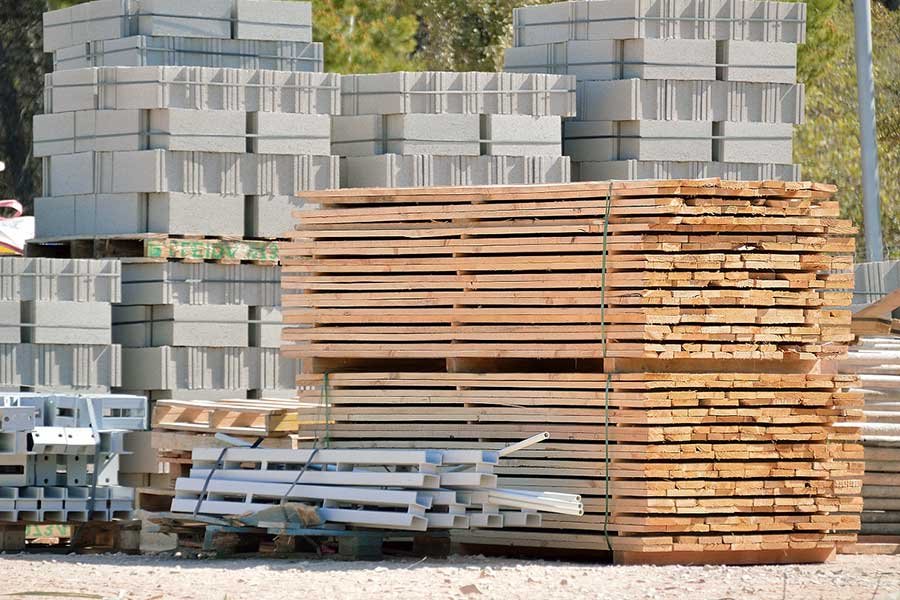
Using recycled and reclaimed materials is a practical way to reduce waste and lower the environmental impact of construction. Recycled steel, glass, and plastic can be incorporated into framing, insulation, and decorative features. Reclaimed wood from old barns, factories, or shipping pallets brings character and history to a space while minimizing the need for new lumber.
These materials often require less energy to process compared to virgin resources and help divert usable products from landfills. When selecting recycled content, look for certifications or documentation to ensure the materials meet safety and quality standards.
For more details on how to integrate these options, see the eco friendly construction materials guide for sustainable building strategies.
Natural Insulation: Fiberglass, Wool, and Cellulose
Insulation is critical for energy efficiency, and there are several eco friendly materials for construction that provide excellent thermal performance with minimal environmental impact. Fiberglass insulation, especially products made with recycled glass, is widely available and effective. Sheep’s wool is another natural insulator, offering moisture management and air purification benefits. Cellulose insulation, made from recycled paper, is treated for fire resistance and is a cost-effective, sustainable choice.
When choosing insulation, consider factors such as R-value, embodied energy, and the presence of any chemical additives. Many modern insulation products are now designed to be low-emission and safe for indoor air quality.
Low-Impact Flooring Options
Flooring is a major component of any home or building, and sustainable choices can have a big impact. In addition to bamboo, cork is a renewable option harvested from the bark of cork oak trees without harming the tree itself. Linoleum, made from natural materials like linseed oil, wood flour, and jute, is biodegradable and durable. Recycled rubber flooring, often sourced from old tires, is another resilient and eco-conscious alternative.
For those considering bathroom renovations, the Bathroom flooring buyer’s guide provides insights into sustainable and long-lasting materials suitable for wet environments.
Innovative Green Concrete Alternatives
Concrete is one of the most widely used construction materials, but its production is energy-intensive and generates significant CO2 emissions. Fortunately, there are greener alternatives. Fly ash concrete, made by replacing a portion of cement with fly ash (a byproduct of coal combustion), reduces the carbon footprint. Similarly, slag cement and recycled aggregate concrete use industrial byproducts and recycled materials to lower environmental impact.
Emerging technologies like hempcrete—a mixture of hemp fibers and lime—offer additional benefits, such as improved insulation and carbon sequestration. These innovative materials are gaining traction in both residential and commercial construction.
Benefits of Choosing Sustainable Building Materials
Opting for eco friendly materials for construction brings multiple advantages:
- Reduced environmental impact: Lower resource consumption, less waste, and smaller carbon footprint.
- Improved indoor air quality: Many sustainable materials emit fewer volatile organic compounds (VOCs) and toxins.
- Energy efficiency: Superior insulation and thermal properties help reduce heating and cooling costs.
- Durability and longevity: Quality green materials often last longer, requiring less frequent replacement.
- Potential for LEED and other certifications: Using these materials can contribute to green building standards and incentives.
For more on the science and development of sustainable products, see this overview of sustainable and eco-friendly building materials research.
Key Considerations When Selecting Green Materials
When integrating sustainable options into your project, keep these factors in mind:
- Source and renewability: Favor rapidly renewable or abundantly available resources.
- Recycled content: Look for products with high post-consumer or post-industrial recycled material.
- Local availability: Sourcing materials locally reduces transportation emissions and supports regional economies.
- Certifications: Seek out third-party certifications like FSC (Forest Stewardship Council) for wood, Cradle to Cradle, or GREENGUARD for indoor air quality.
- Performance: Ensure the material meets the structural, thermal, and safety requirements of your project.
For guidance on avoiding common pitfalls, especially in wet areas, the Bathroom flooring mistakes contractors make article highlights what to watch out for when choosing eco-friendly options.
Frequently Asked Questions
What are the most popular eco-friendly materials for new homes?
Some of the most widely used sustainable materials include bamboo, reclaimed wood, recycled steel, cork, and low-VOC paints. These options balance performance, aesthetics, and environmental responsibility.
How do eco-friendly materials impact indoor air quality?
Many green building products emit fewer harmful chemicals, such as VOCs and formaldehyde, resulting in healthier indoor environments. Choosing certified low-emission materials can significantly improve air quality for occupants.
Are sustainable materials more expensive than traditional options?
While some eco-friendly products may have higher upfront costs, they often provide long-term savings through durability, energy efficiency, and reduced maintenance. Additionally, incentives or certifications may help offset initial expenses.
How long do sustainable flooring materials last?
The lifespan of green flooring varies by material. For a detailed breakdown, see how long does bathroom flooring last by material, which covers durability and maintenance tips for eco-friendly options.
Integrating eco friendly materials for construction into your home or building project is a smart investment in both the environment and your long-term wellbeing. By understanding the benefits and best practices, you can make choices that support a healthier planet and a more comfortable living space.