Sustainable construction materials are transforming the way buildings are designed, built, and maintained. As the demand for eco-friendly solutions grows, understanding the characteristics and advantages of these materials is essential for architects, builders, and homeowners alike. This guide explores the definition, benefits, and real-world examples of environmentally responsible building products, helping you make informed choices for your next project.
Choosing the right materials can significantly reduce a building’s carbon footprint, conserve natural resources, and create healthier living environments. For those interested in a deeper dive into eco friendly materials for construction, there are comprehensive resources available to guide your selection process.
Understanding Eco-Friendly Building Products
At its core, the concept of what are sustainable construction materials refers to products that are sourced, manufactured, used, and disposed of in ways that minimize negative environmental impact. These materials are designed to be energy-efficient, resource-conserving, and safe for both people and the planet. They often come from renewable sources, are recyclable or biodegradable, and require less energy to produce compared to conventional options.
Some key characteristics of sustainable building products include:
- Low embodied energy (the total energy required for production and transport)
- Responsibly sourced or rapidly renewable raw materials
- Non-toxic and low-emission properties
- Durability and long lifespan
- Potential for reuse, recycling, or composting at end of life
By integrating these materials into construction projects, builders can contribute to a more sustainable future and meet increasing regulatory and market demands for green buildings.
Key Benefits of Using Environmentally Responsible Materials
Adopting sustainable options in construction offers a range of advantages that go beyond environmental stewardship. Here are some of the most significant benefits:
- Reduced Environmental Impact: Using renewable, recycled, or low-impact materials helps conserve natural resources and lowers greenhouse gas emissions.
- Improved Indoor Air Quality: Many eco-friendly products are free from harmful chemicals and volatile organic compounds (VOCs), promoting healthier indoor environments.
- Energy Efficiency: Materials such as high-performance insulation and energy-efficient windows can significantly decrease heating and cooling needs, resulting in lower energy bills.
- Long-Term Cost Savings: Although some sustainable products may have higher upfront costs, their durability and efficiency often lead to reduced maintenance and operational expenses over time.
- Enhanced Property Value: Green buildings are increasingly attractive to buyers and tenants, potentially boosting resale and rental values.
For a more detailed look at the advantages and a comprehensive sustainable building materials overview, there are dedicated guides available to support your research.
Popular Types of Sustainable Construction Materials
There is a wide variety of materials that meet the criteria for sustainability in construction. The following examples highlight some of the most widely used and innovative options available today:
- Bamboo: Fast-growing and renewable, bamboo is used for flooring, cabinetry, and even structural elements. Its strength and versatility make it a popular alternative to traditional hardwoods.
- Recycled Steel: Utilizing recycled steel in framing and structural components reduces the need for new mining and offers exceptional durability.
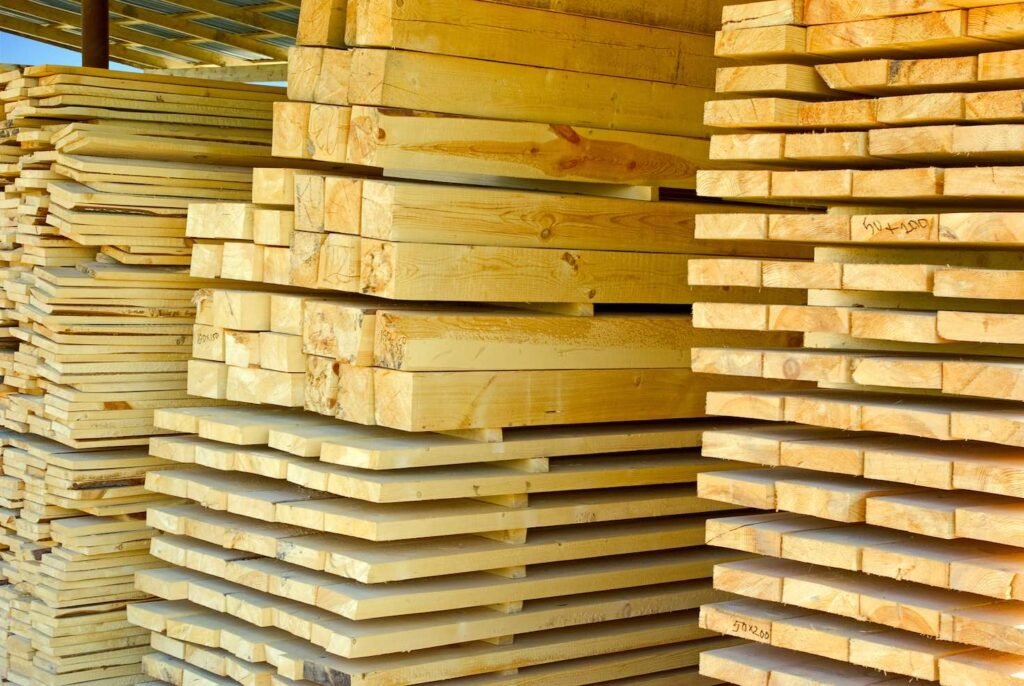
- Reclaimed Wood: Salvaged from old buildings or manufacturing byproducts, reclaimed wood adds character and reduces demand for new timber.
- Insulation Made from Recycled or Natural Fibers: Products such as cellulose (recycled newspaper), sheep’s wool, and cotton offer effective thermal performance with minimal environmental impact.
- Low-VOC Paints and Finishes: These products improve indoor air quality by emitting fewer harmful chemicals.
- Green Concrete Alternatives: Innovations like fly ash, slag cement, and hempcrete reduce the carbon footprint of traditional concrete.
- Solar Tiles and Energy-Efficient Windows: These technologies help harness renewable energy and minimize heat loss.
For more inspiration, a green building materials list can provide additional ideas for your next project.
How to Select the Right Sustainable Materials for Your Project
Choosing the most appropriate eco-conscious products depends on several factors, including project type, budget, climate, and performance requirements. Here are some practical steps to guide your decision-making process:
- Assess Local Availability: Opt for materials that are sourced or manufactured close to your project site to reduce transportation emissions.
- Check Certifications: Look for recognized labels such as FSC (Forest Stewardship Council) for wood, Cradle to Cradle, or GREENGUARD for indoor air quality.
- Evaluate Life Cycle Impact: Consider the full environmental cost of a material, from extraction to disposal.
- Balance Performance and Sustainability: Ensure that the chosen products meet structural, thermal, and aesthetic needs without compromising on eco-friendliness.
- Consult Experts: Work with architects, designers, or sustainability consultants who have experience with green building practices.
For a more comprehensive overview, explore resources like this guide to sustainable building materials for 2025, which highlights emerging trends and best practices.
Challenges and Considerations in Sustainable Construction
While the adoption of green materials is growing, there are still some challenges to consider:
- Cost: Some eco-friendly options may have higher initial costs, though these are often offset by long-term savings.
- Availability: Not all sustainable products are readily available in every region, which can limit choices or increase transportation impacts.
- Performance: It’s important to ensure that new materials meet the technical and safety standards required for your specific application.
- Knowledge Gaps: Builders and contractors may need training to properly install or work with new products.
Despite these hurdles, the market for sustainable construction materials continues to expand, driven by innovation and increasing consumer demand. For those seeking even more options, a thorough eco friendly construction materials guide can help identify the best fit for your needs.
Frequently Asked Questions
What makes a construction material sustainable?
A sustainable construction material is one that is produced, used, and disposed of in a way that minimizes environmental harm. This includes using renewable or recycled resources, reducing energy consumption during manufacturing, and ensuring the material can be reused or recycled at the end of its life.
Are green building materials more expensive?
Some eco-friendly products may have higher upfront costs compared to conventional options. However, they often provide long-term savings through improved energy efficiency, reduced maintenance, and increased property value.
How can I verify if a material is truly sustainable?
Look for certifications such as FSC for wood, Cradle to Cradle, GREENGUARD, or Energy Star. These labels indicate that the product meets recognized environmental and health standards.
Can sustainable materials be used in all types of construction?
Yes, there are green options suitable for residential, commercial, and industrial projects. The key is to match the material’s properties to the specific requirements of your build.
Conclusion
Understanding what are sustainable construction materials and their benefits is crucial for anyone involved in building or renovating. By choosing products that are responsibly sourced, energy-efficient, and safe for occupants, you can help create structures that are better for both people and the planet. As the industry evolves, there are more resources and options than ever to support your journey toward greener construction.