As the demand for greener living grows, the construction industry is shifting toward eco friendly construction materials that reduce environmental impact and support healthier spaces. These innovative products are designed to minimize waste, conserve resources, and lower carbon emissions throughout the building lifecycle. Whether you’re a homeowner, builder, or designer, understanding the options available can help you make informed choices for a more sustainable future.
From renewable resources like bamboo and cork to recycled steel and advanced insulation, today’s sustainable building materials offer both performance and environmental responsibility. This article explores top choices, their benefits, and practical considerations for integrating them into your next project.
For those interested in sustainable interiors, flooring is a great place to start. Our bathroom flooring buyer’s guide covers eco-conscious options and tips for long-lasting results in wet environments.
What Makes a Building Material Sustainable?
Not all products labeled “green” are created equal. Truly eco friendly construction materials share several core characteristics:
- Renewable or abundant resources: Materials sourced from rapidly renewable plants or plentiful minerals reduce pressure on fragile ecosystems.
- Low embodied energy: Products that require less energy to produce, transport, and install help lower the overall carbon footprint of a building.
- Recycled or recyclable content: Using materials with recycled components or those that can be recycled at end-of-life supports a circular economy.
- Non-toxic and healthy: Avoiding harmful chemicals and off-gassing improves indoor air quality and occupant health.
- Durability: Long-lasting materials reduce the need for frequent replacement and associated waste.
When evaluating options, consider the entire lifecycle—from sourcing and manufacturing to installation, maintenance, and disposal.
Popular Eco-Conscious Materials for Modern Construction
Let’s look at some of the most widely used sustainable building products and their key advantages.
Bamboo: Fast-Growing and Versatile
Bamboo is a standout among renewable resources. It matures in just 3–5 years, compared to decades for traditional hardwoods. Its strength, flexibility, and appealing appearance make it suitable for flooring, cabinetry, wall panels, and even structural elements. Bamboo is also naturally resistant to pests and moisture, reducing the need for chemical treatments.

Recycled Steel and Metal
Steel is one of the most recycled materials on the planet. Using recycled steel for framing, roofing, and structural supports reduces mining and energy use. It’s durable, fire-resistant, and can be recycled again at the end of its life. Aluminum and copper are also commonly reused in green building projects.
Insulation Made from Recycled or Natural Fibers
Proper insulation is crucial for energy efficiency. Options like cellulose (made from recycled newspaper), sheep’s wool, and cotton batts offer excellent thermal performance and are safer to handle than traditional fiberglass. Some fiberglass insulation products now incorporate recycled glass, further reducing their environmental impact.
Engineered Wood and Particleboard
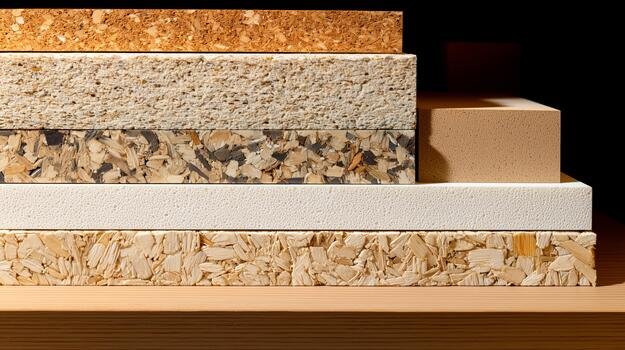
Engineered wood products, such as oriented strand board (OSB) and medium-density fiberboard (MDF), use wood fibers and chips that might otherwise be discarded. When manufactured with low-emission adhesives, these materials provide strength and stability while making efficient use of resources.
Low-Impact Concrete Alternatives
Traditional concrete production is energy-intensive and emits significant CO2. Alternatives such as fly ash concrete, hempcrete, and geopolymer concrete use industrial byproducts or plant fibers to reduce emissions. These substitutes can offer similar strength and durability with a smaller environmental footprint.
Natural Stone and Clay
Stone and clay are abundant, durable, and require minimal processing. Clay bricks, rammed earth, and adobe have been used for centuries and remain popular for their thermal mass and low toxicity. When sourced locally, these materials further reduce transportation emissions.
Benefits of Choosing Sustainable Building Products
Opting for eco friendly construction materials brings a range of advantages:
- Lower environmental impact: Reduced resource extraction, waste, and emissions help protect ecosystems and combat climate change.
- Healthier indoor environments: Non-toxic materials contribute to better air quality and occupant well-being.
- Potential cost savings: Energy-efficient products can lower utility bills, and durable materials reduce long-term maintenance costs.
- Increased property value: Green features are increasingly desirable to buyers and tenants.
- Compliance with regulations: Many regions now require or incentivize sustainable construction practices.
How to Select the Right Green Materials for Your Project
Making sustainable choices involves more than picking products with eco-labels. Here are some tips for evaluating and specifying green building materials:
- Assess local availability: Choosing materials produced nearby reduces transportation emissions and supports the regional economy.
- Check certifications: Look for independent certifications such as FSC (Forest Stewardship Council) for wood, Cradle to Cradle, GREENGUARD, or Energy Star.
- Consider the entire lifecycle: Factor in installation, maintenance, and end-of-life disposal or recycling.
- Balance performance and sustainability: Ensure the material meets structural, safety, and aesthetic requirements for your specific application.
- Consult with professionals: Architects, builders, and sustainability consultants can help identify the best options for your needs and budget.
For more in-depth information on sustainable building products, the University of Bath’s guide to sustainable building materials offers a comprehensive overview of current trends and research.
Integrating Sustainability Into Every Room
Eco-conscious design doesn’t stop at the exterior. From kitchens to bathrooms, there are green alternatives for flooring, cabinetry, countertops, and more. For example, if you’re renovating a bathroom, you might consider bamboo or recycled glass tiles for the floors and walls. For additional tips and pitfalls to avoid, see our resources on bathroom flooring mistakes contractors make and most affordable bathroom flooring options.
Layering sustainable vinyl over existing tile is another way to upgrade without generating demolition waste. Our layering vinyl over tile in bathroom guide explains how this process works and what to consider for eco-friendly results.
FAQ: Sustainable Building Materials
What are the most affordable eco-friendly materials for home construction?
Some of the most budget-friendly green building products include bamboo, recycled steel, reclaimed wood, and cellulose insulation. These materials offer a good balance of cost, performance, and environmental benefits. For more details, check out our guide to most affordable bathroom flooring options, many of which apply to other rooms as well.
Are eco-friendly materials as durable as traditional options?
Many sustainable products are just as durable, if not more so, than conventional materials. For example, bamboo flooring is harder than many hardwoods, and recycled steel framing is extremely strong. The key is to choose products that are suitable for your specific application and climate.
How can I verify that a material is truly sustainable?
Look for third-party certifications such as FSC, Cradle to Cradle, or GREENGUARD. These labels indicate that the product meets strict environmental and health standards. Additionally, research the manufacturer’s sourcing and production practices to ensure transparency and accountability.
Conclusion
Embracing eco friendly construction materials is a practical way to reduce your environmental footprint while creating comfortable, healthy, and resilient spaces. With a growing range of options available, it’s easier than ever to make choices that benefit both people and the planet. Whether you’re building new or renovating, thoughtful material selection is a key step toward a more sustainable future.