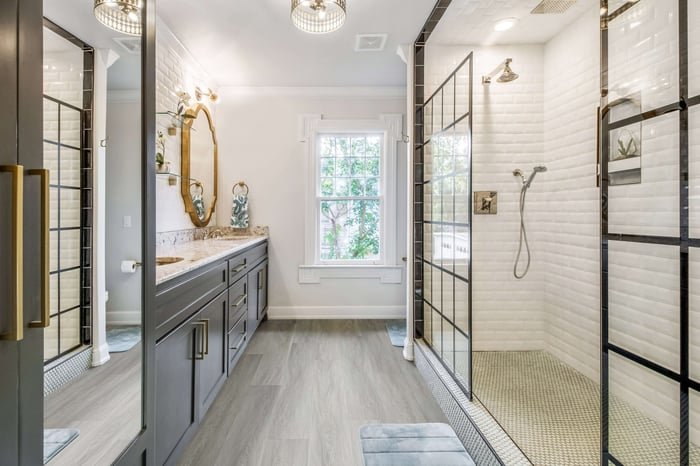
Choosing the right surface for your bathroom can be challenging, especially with so many materials, styles, and installation options available. Homeowners often have questions about durability, water resistance, maintenance, and cost when it comes to bathroom floors. This bathroom flooring FAQ guide provides practical answers to the most common concerns, helping you make informed decisions for your next renovation or upgrade.
Whether you’re considering classic tiles, modern vinyl planks, or exploring budget-friendly options, understanding the pros and cons of each material is essential. For a comprehensive overview of materials and what to expect, check out our bathroom flooring buyer’s guide for homeowners. In the following sections, we’ll address frequently asked questions, highlight key considerations, and provide expert tips for selecting and caring for your bathroom floor.
Popular Materials for Bathroom Floors
When selecting a new surface for your bathroom, the most common choices include ceramic tile, porcelain, natural stone, vinyl, and engineered wood. Each option has unique benefits and drawbacks, so it’s important to weigh your priorities—such as water resistance, comfort, and style—before making a decision.
- Ceramic and Porcelain Tile: Known for their durability and water resistance, these tiles are a classic choice. They come in a wide range of colors, patterns, and finishes, making them suitable for nearly any design scheme.
- Luxury Vinyl Plank (LVP): Increasingly popular due to its realistic wood or stone appearance, LVP is waterproof, easy to install, and comfortable underfoot. It’s also budget-friendly compared to natural materials.
- Natural Stone: Options like marble, slate, and travertine provide a high-end look but require more maintenance and sealing to prevent water damage.
- Engineered Wood: While not as common, engineered wood can be used in bathrooms if properly sealed, offering warmth and a unique aesthetic.
For those interested in cost-effective solutions, our guide to the most affordable bathroom flooring options explores budget-friendly materials that don’t sacrifice style or performance.
Water Resistance and Durability: What to Expect
Bathrooms are high-moisture environments, so water resistance is a top priority. Porcelain and ceramic tiles are naturally impervious to water, making them ideal for wet areas. Luxury vinyl planks and tiles are also fully waterproof, and many brands offer slip-resistant finishes for added safety.
Natural stone, while beautiful, is porous and requires regular sealing to maintain its resistance to moisture. Engineered wood and laminate can be used in bathrooms, but only if installed with proper waterproofing measures.
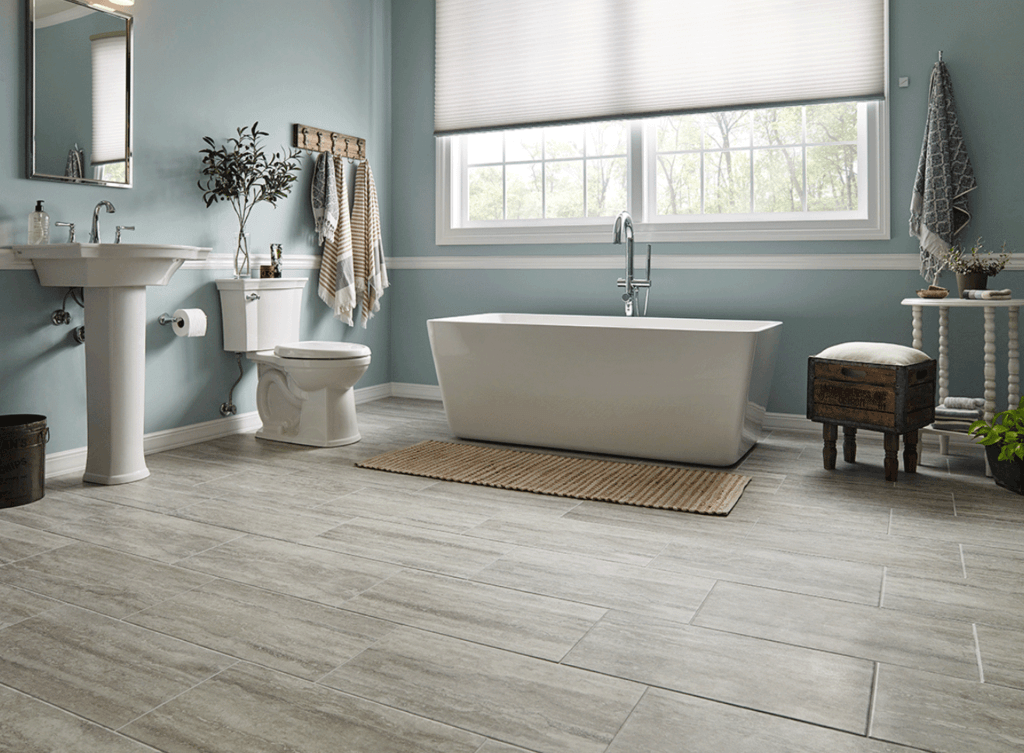
For more details on how long different materials last in a bathroom setting, see our article on how long does bathroom flooring last by material.
Installation and Maintenance Tips
Proper installation is crucial for the longevity and performance of any bathroom floor. Here are some key tips:
- Subfloor Preparation: Ensure the subfloor is dry, level, and free of debris before installation. Moisture barriers are recommended for wood subfloors.
- Professional vs. DIY: While vinyl and some tile products are suitable for DIY installation, natural stone and large-format tiles often require professional expertise for best results.
- Grout and Sealing: Use waterproof grout for tiles and regularly reseal stone surfaces to prevent water infiltration.
- Cleaning: Most surfaces can be cleaned with mild soap and water. Avoid harsh chemicals that can damage finishes or strip sealants.
If you’re considering updating your space without removing existing tiles, our layering vinyl over tile in bathroom guide explains how to install new vinyl planks or tiles over old surfaces safely.
Design Trends and Color Choices
Modern bathroom floors are available in a wide variety of colors, patterns, and textures. Neutral tones like gray, beige, and soft whites remain popular for their timeless appeal and ability to coordinate with various décor styles. For inspiration on choosing the right palette, visit our resource on best neutral bathroom flooring colors.
Patterned tiles, wood-look vinyl, and large-format slabs are trending for those seeking a contemporary look. Mixing textures—such as matte and glossy finishes—can also add visual interest while maintaining a cohesive design.

For more creative ideas and visual examples, explore this collection of bathroom flooring inspiration and design ideas from industry experts.
Common Questions About Bathroom Flooring
What Is the Best Material for a Bathroom Floor?
The ideal material depends on your priorities. Porcelain and ceramic tiles are top choices for their water resistance and durability. Luxury vinyl plank is also highly recommended for its waterproof properties and ease of installation. Natural stone offers a premium look but requires more upkeep. Consider your budget, desired look, and maintenance preferences when making a selection.
How Can I Make My Bathroom Floor Less Slippery?
To improve safety, choose surfaces with a textured or matte finish. Many tile and vinyl products are available with slip-resistant coatings. Adding bath mats or rugs in high-traffic areas can also help prevent slips and falls.
Is It Possible to Install New Flooring Over Existing Tiles?
Yes, in many cases, you can lay new vinyl planks or tiles over old ceramic or porcelain tiles, provided the existing floor is level and in good condition. This can save time and reduce demolition costs. Always follow manufacturer guidelines and consider consulting a professional for best results. For a detailed walkthrough, refer to our step-by-step guide on layering vinyl over tile in bathrooms.
How Long Does Bathroom Flooring Typically Last?
Longevity varies by material and maintenance. Ceramic and porcelain tiles can last 20 years or more with proper care. Luxury vinyl planks often last 10–20 years, while natural stone can endure for decades if regularly sealed. For a breakdown by material, see our article on how long bathroom flooring lasts.
Frequently Asked Questions
Can I Use Hardwood in a Bathroom?
Solid hardwood is generally not recommended for bathrooms due to moisture issues. However, engineered wood with a water-resistant core and proper sealing can be used in powder rooms or low-moisture areas. Always ensure adequate ventilation and wipe up spills promptly.
What’s the Easiest Bathroom Floor to Maintain?
Luxury vinyl plank and ceramic tile are among the easiest to clean and maintain. Both resist stains and can be wiped down with mild soap and water. Natural stone requires more frequent sealing and specialized cleaners.
How Do I Choose the Right Color and Style?
Consider the size of your bathroom, natural light, and overall décor. Light, neutral tones can make a small space feel larger, while bold patterns or darker hues add drama. For more tips, explore our guide to neutral bathroom flooring colors.
Final Thoughts
Finding the right surface for your bathroom involves balancing style, function, and budget. By understanding the strengths and limitations of each material, you can select a floor that meets your needs and stands up to daily use. For more in-depth advice, don’t miss our comprehensive buyer’s guide. With the information in this bathroom flooring FAQ, you’re well-equipped to make a confident, informed choice for your next project.