Choosing the right floor color can transform a bathroom from ordinary to inviting, while also ensuring it remains timeless and versatile. Neutral shades are especially popular because they create a calming atmosphere, complement a wide range of decor styles, and help small spaces feel larger. In this guide, we’ll explore the most popular neutral tones for bathroom floors, discuss their benefits, and provide practical tips for selecting the perfect hue for your space.
Whether you’re renovating or building new, understanding which shades work best for wet environments and how to coordinate them with fixtures and walls is essential. If you need a comprehensive overview of flooring types and installation tips, the bathroom flooring buyer’s guide offers in-depth advice to help you make informed decisions.
Why Neutral Tones Are Ideal for Bathroom Floors
Neutral flooring colors are favored for their ability to create a serene, spa-like environment. These shades—such as beige, gray, taupe, and off-white—blend seamlessly with most color palettes and design themes. They’re also practical, hiding dust and water spots better than very dark or very light colors. For homeowners who want a look that won’t go out of style, neutral hues are a safe and stylish choice.
- Versatility: Easily pairs with changing wall colors, fixtures, and accessories.
- Timelessness: Neutral floors rarely look dated, even as trends shift.
- Light Reflection: Lighter neutrals help brighten bathrooms, making them feel more spacious.
- Resale Value: Neutral finishes appeal to a broad range of buyers.
Popular Neutral Colors for Bathroom Flooring
Let’s look at some of the most effective shades for bathroom floors, each offering a unique character while maintaining a subtle, adaptable look.
Warm Beige and Sand
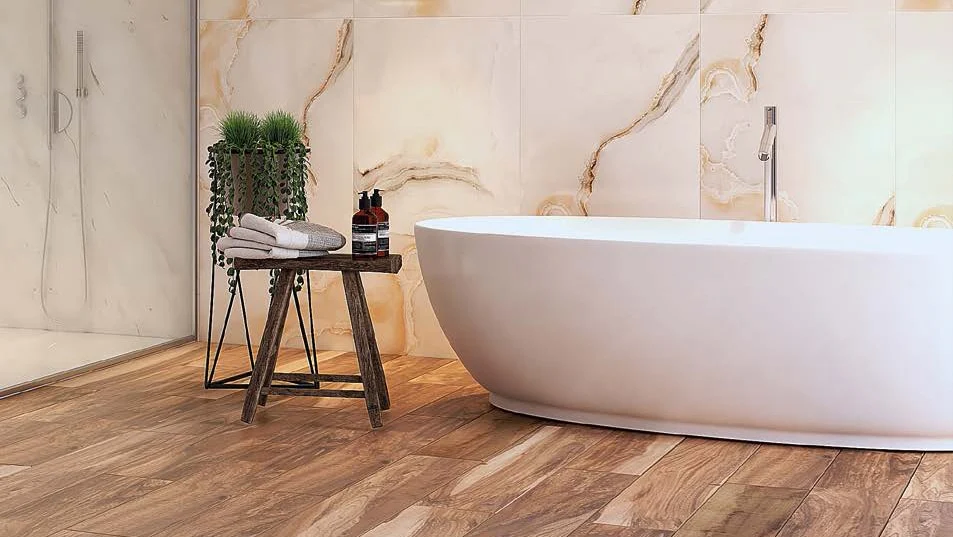
Beige and sand tones bring warmth and comfort to a bathroom. These hues work well with both traditional and contemporary decor. They pair beautifully with wood accents, white fixtures, and natural stone. Beige floors are excellent for creating a cozy, inviting feel without overwhelming the space.
Classic Gray and Greige
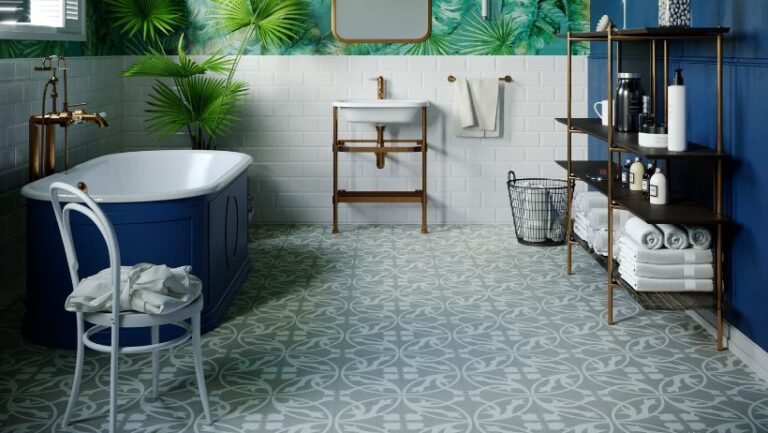
Gray remains a top choice for those seeking a modern, understated look. From cool slate to soft dove gray, these shades offer a clean backdrop that highlights other design elements. Greige—a blend of gray and beige—adds a touch of warmth, making it a flexible option for bathrooms that balance cool and warm tones.
Gray floors are especially effective in minimalist or Scandinavian-inspired spaces. They also work well with black, chrome, or brushed nickel fixtures, and can be paired with bold accent colors for added interest.
Soft Taupe and Mushroom
Taupe and mushroom hues are subtle, earthy colors that strike a balance between gray and brown. These shades are ideal for homeowners who want a neutral floor with a bit more depth and character. Taupe floors can soften stark white bathrooms and complement wood vanities, stone countertops, or matte black hardware.
Off-White and Light Cream
For a bright, airy feel, off-white and light cream floors are a great choice. These colors reflect light, making small bathrooms appear larger and more open. They’re especially effective in spaces with limited natural light. Pairing off-white floors with soft pastel walls or bold tile accents can create a fresh, inviting look.
Material Options for Neutral Bathroom Floors
The right material enhances both the appearance and durability of your chosen neutral shade. Here are some popular flooring types that showcase subtle tones beautifully:
- Porcelain and Ceramic Tile: Available in a wide range of neutral shades, these materials are water-resistant and easy to maintain. They can mimic the look of stone or wood for added versatility.
- Luxury Vinyl Plank (LVP): LVP offers realistic wood and stone visuals in neutral colors, with excellent moisture resistance and comfort underfoot.
- Natural Stone: Travertine, limestone, and marble often feature soft, earthy tones that work well in bathrooms. Each piece is unique, adding natural variation to the floor.
- Waterproof Laminate: Modern laminate options come in subtle shades and are designed to withstand humidity and splashes.
Tips for Selecting the Right Neutral Shade
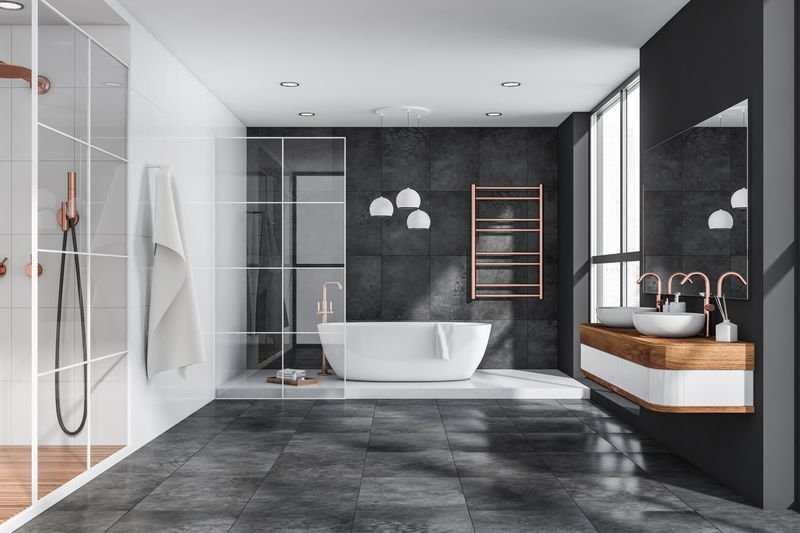
When choosing a neutral floor color, consider the following factors to ensure your bathroom feels cohesive and inviting:
- Lighting: Natural and artificial light can affect how colors appear. Test samples in your space at different times of day.
- Room Size: Lighter shades can make small bathrooms feel larger, while deeper neutrals add coziness to bigger spaces.
- Existing Fixtures: Coordinate with your vanity, countertop, and wall color for a harmonious look.
- Maintenance: Mid-tone neutrals are best at hiding dust, hair, and water spots.
- Texture and Pattern: Subtle patterns or textures in tile or vinyl can add interest without overpowering the room.
If you’re considering combining different tile styles or sizes, the article on mixing tile styles on bathroom floor provides helpful guidance for achieving a balanced look.
Coordinating Neutral Floors with Bathroom Decor
Neutral floors provide a flexible foundation for any decorating style. Here are some ideas to help you make the most of your new floor color:
- Accent Colors: Add pops of color through towels, rugs, or wall art for a dynamic look.
- Metal Finishes: Chrome, brass, or matte black fixtures all pair well with neutral flooring.
- Natural Elements: Incorporate wood, stone, or greenery for a spa-inspired atmosphere.
- Layered Textures: Mix soft textiles with sleek surfaces to create visual interest.
For more inspiration and practical advice, you can explore expert recommendations on bathroom flooring materials and their best uses.
Frequently Asked Questions
What are the most durable neutral flooring options for bathrooms?
Porcelain and ceramic tiles in neutral shades are among the most durable choices, as they resist water, stains, and scratches. Luxury vinyl plank and natural stone are also excellent for high-moisture environments.
How do I keep neutral bathroom floors looking clean?
Mid-tone neutrals are effective at hiding dirt and water spots. Regular sweeping and mopping with a gentle cleaner will help maintain their appearance. Avoid harsh chemicals that can damage the finish.
Can I mix different neutral tones in my bathroom?
Yes, combining various neutral shades—such as pairing a taupe floor with gray or cream walls—can add depth and interest. Just be sure to keep undertones consistent for a cohesive look.
Where can I find affordable neutral flooring options?
If you’re on a budget, check out the guide to most affordable bathroom flooring for tips on finding quality materials at a lower cost.
Conclusion
Neutral bathroom floor colors offer unmatched versatility, timeless appeal, and the ability to adapt to evolving design trends. By considering your space’s lighting, size, and existing finishes, you can select a shade that enhances both function and style. Whether you prefer warm beige, classic gray, or soft taupe, these subtle tones will help you create a bathroom that feels both fresh and enduring. For more tips on choosing the right tile size, visit the article on how to choose bathroom tile size to ensure your new floor looks its best.