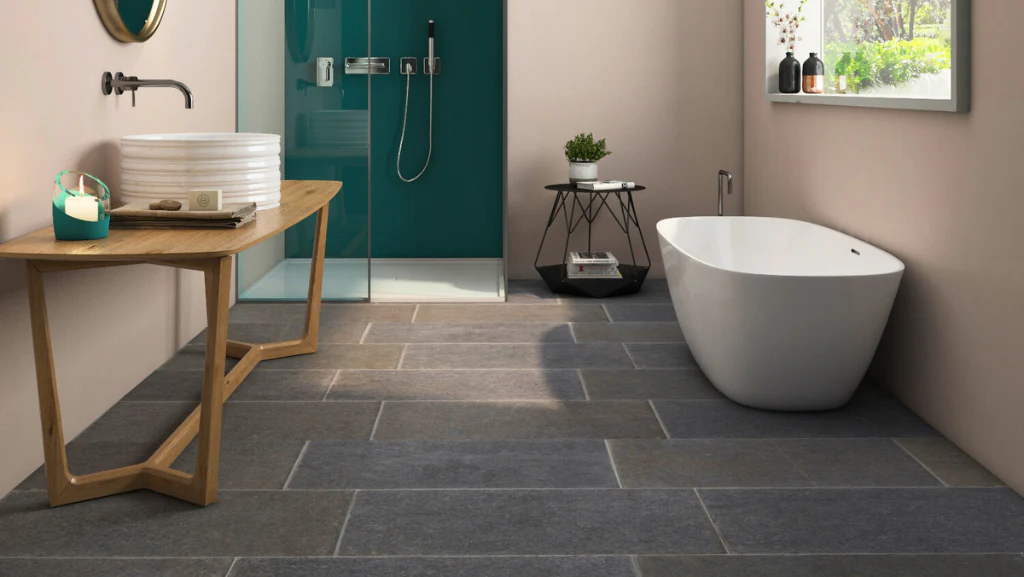
Making the most of a compact bathroom often comes down to smart design choices. One of the most effective ways to create the illusion of a larger, brighter space is by selecting the right tile patterns. With so many options available, it can be overwhelming to know where to start. This article explores a range of small bathroom tile pattern ideas that help visually expand your space, add style, and make your bathroom feel more inviting.
Whether you’re renovating or updating your bathroom, understanding how different tile layouts, colors, and materials work together can make a significant difference. We’ll cover classic and modern patterns, tips for choosing the right size and color, and practical advice for installation. For a deeper dive into selecting the right materials, check out our bathroom flooring buyer’s guide for homeowners.
Why Tile Patterns Matter in Compact Bathrooms
The way tiles are arranged can dramatically affect how spacious a bathroom feels. Certain layouts can elongate walls, draw the eye upward, or make floors appear wider. By using tile pattern ideas for small bathrooms, you can enhance both the look and functionality of your space.
- Visual Expansion: Patterns like diagonal or herringbone layouts can make floors and walls seem larger than they are.
- Light Reflection: Glossy or light-colored tiles bounce light around the room, brightening dark corners.
- Style Statement: Unique arrangements and color contrasts add personality without overwhelming the space.
Popular Tile Patterns for Small Bathrooms
Let’s explore some of the most effective layouts and how they can help you achieve a more open, stylish bathroom.
Classic Subway Layout
The timeless subway tile pattern remains a favorite for compact bathrooms. Laid in a traditional brickwork style, these rectangular tiles create a clean, linear look that visually widens narrow walls. For a modern twist, consider stacking them vertically to draw the eye upward and make ceilings feel higher.
Diagonal and Diamond Arrangements
Placing square or rectangular tiles at a 45-degree angle tricks the eye into perceiving a wider floor. This diagonal approach breaks up the boxy feel of small rooms, making the space appear more dynamic and less confined.
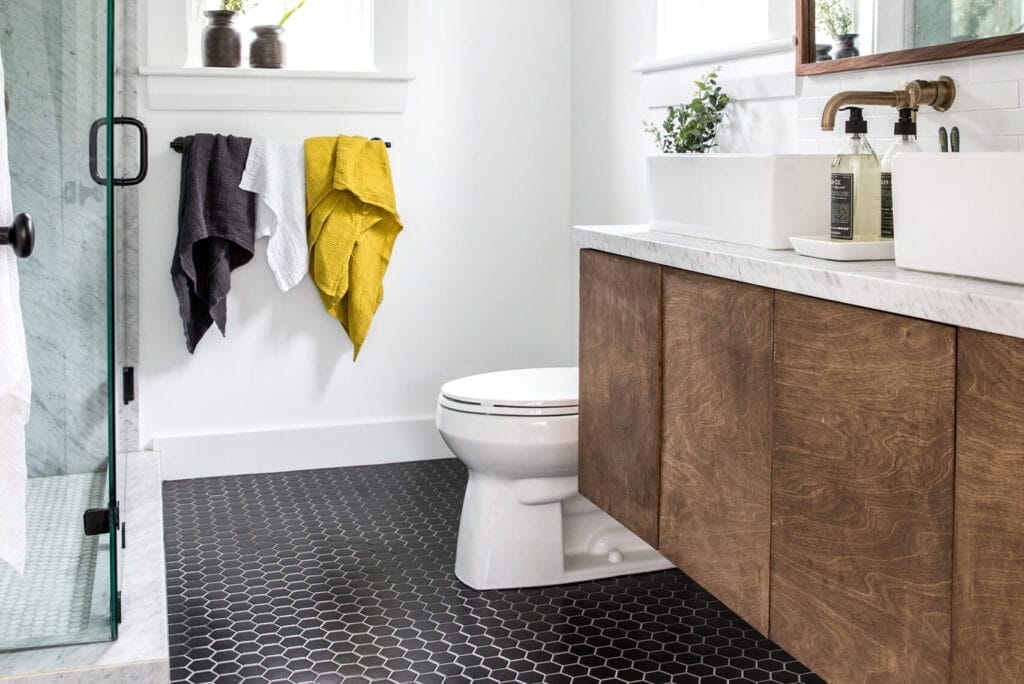
Herringbone and Chevron Designs
Herringbone and chevron patterns are excellent for adding movement and sophistication. These V-shaped layouts guide the eye along the length of the floor or wall, making the room feel longer or taller. They work especially well with wood-look or elongated tiles.
Large Format Tiles for a Seamless Look
Contrary to what many believe, larger tiles can actually make a small bathroom feel more spacious. Fewer grout lines mean less visual clutter, resulting in a seamless, open appearance. Choose light, neutral tones for maximum effect.
Color and Grout Considerations
Beyond layout, the color and finish of your tiles play a crucial role in maximizing space. Here are a few tips:
- Light Colors: Whites, creams, and soft grays reflect more light, helping the room feel airy.
- Matching Grout: Using grout in a similar shade to your tiles creates a continuous surface, minimizing breaks in the visual flow.
- Glossy Finishes: Gloss tiles reflect light and can make walls and floors appear brighter.
For more on choosing the right tile size, see our guide on how to choose bathroom tile size.
Mixing Patterns and Materials
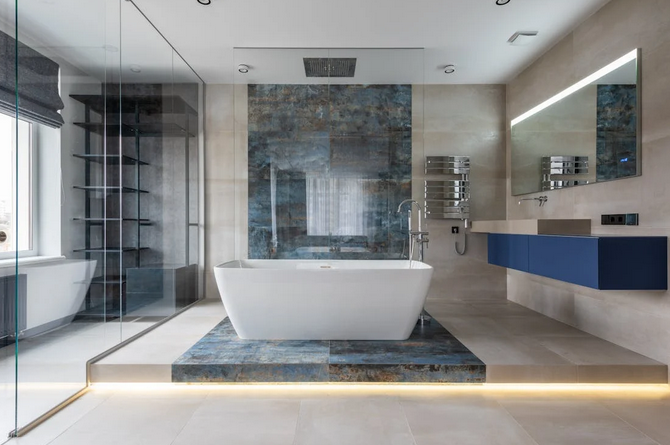
Combining different tile shapes or finishes can add depth and character to a small bathroom. For example, pairing a patterned floor with simple wall tiles keeps the design interesting without overwhelming the space. If you’re considering mixing styles, our article on mixing tile styles on bathroom floor offers practical advice.
Installation Tips for a Flawless Finish
Even the best tile patterns can fall flat if not installed properly. Here are some practical tips to ensure your project looks professional:
- Plan your layout before starting to avoid awkward cuts or mismatched lines.
- Use tile spacers for even grout lines and a polished appearance.
- Start tiling from the center of the room or wall to ensure symmetry.
- For advice on preventing uneven tiles, see our guide on how to avoid lippage in tile installation.
Budget-Friendly Options and Maintenance
You don’t have to spend a fortune to achieve a stylish look. Peel-and-stick vinyl tiles, for example, offer a quick and affordable way to refresh your bathroom. For more cost-effective solutions, check out our article on the most affordable bathroom flooring options.
Whichever pattern you choose, regular cleaning and sealing (if needed) will keep your tiles looking new for years to come.
Expert Advice and Inspiration
For more inspiration and detailed guidance, you can explore this comprehensive bathroom flooring guide from design experts. Seeing real-life examples can help you visualize how different patterns will look in your own space.
Frequently Asked Questions
What is the best tile pattern for making a small bathroom look bigger?
Diagonal, herringbone, and vertical stacked patterns are excellent for visually expanding a compact bathroom. These layouts draw the eye along the floor or up the walls, creating a sense of movement and openness.
Should I use large or small tiles in a compact bathroom?
Both can work, but large format tiles often make a small space feel bigger due to fewer grout lines and a more seamless appearance. Just be sure to choose a size that fits your room’s proportions.
How do I choose the right grout color for my bathroom tiles?
For a more spacious look, select grout that matches your tile color. This minimizes visual breaks and creates a continuous surface. Contrasting grout can highlight patterns but may make the space feel busier.
Can I mix different tile patterns in a small bathroom?
Yes, mixing patterns can add depth and interest. The key is to balance bold designs with simpler ones and keep the color palette cohesive to avoid overwhelming the space.