Updating a bathroom floor can be a straightforward project with the right materials. Peel and stick vinyl bathroom flooring offers a practical, cost-effective solution for homeowners seeking a fresh look without the hassle of traditional tile or hardwood installation. This flooring type is known for its easy application, water resistance, and wide range of design options, making it a popular choice for both quick renovations and long-term upgrades.
Whether you’re a DIY enthusiast or simply want to refresh your space, understanding the benefits and installation process of self-adhesive vinyl tiles can help you make an informed decision. If you’re comparing different surfaces, the bathroom flooring buyer’s guide provides a comprehensive overview of available options and what to consider before making a purchase.

What Makes Peel and Stick Vinyl Ideal for Bathrooms?
Bathrooms demand flooring that can withstand moisture, frequent cleaning, and temperature fluctuations. Peel and stick vinyl tiles are engineered to meet these requirements. Their waterproof surface resists spills and splashes, while the adhesive backing ensures a secure fit even in high-humidity environments.
Key advantages include:
- Water resistance: Prevents damage from everyday bathroom use.
- Easy installation: No need for grout, nails, or special tools.
- Affordability: Lower material and labor costs compared to ceramic or stone.
- Design variety: Available in wood, stone, and patterned looks to match any decor.
- Comfort: Softer and warmer underfoot than traditional tile.
For those seeking most affordable bathroom flooring options, self-adhesive vinyl is often at the top of the list due to its low upfront cost and minimal installation expenses.
Types and Styles of Self-Adhesive Vinyl Tiles
There is a wide range of peel and stick vinyl bathroom flooring styles to choose from. The most common types include:
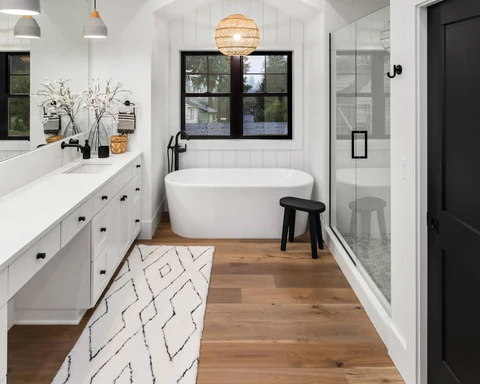
- Vinyl plank: Mimics the look of wood, ideal for creating a warm, inviting space.
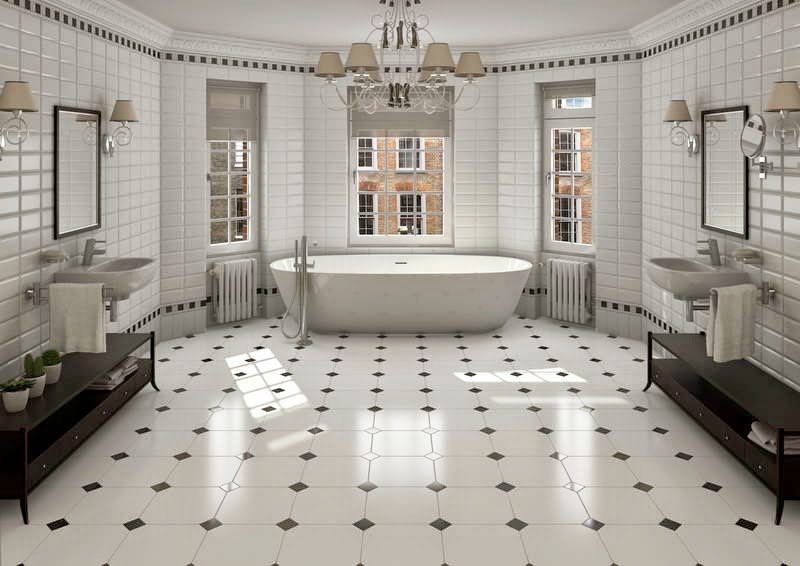
- Vinyl tile: Resembles stone, ceramic, or patterned tiles for a classic or contemporary appearance.
- Decorative patterns: Geometric, encaustic, or mosaic designs for a bold statement.
When selecting a style, consider the size of your bathroom and the overall aesthetic you want to achieve. For smaller spaces, lighter colors and larger tiles can help the room feel more open, while darker shades or intricate patterns can add drama to larger bathrooms.
How to Install Peel and Stick Vinyl in Your Bathroom
One of the main attractions of self-adhesive vinyl is its straightforward installation. With a few basic tools and some preparation, most homeowners can complete the project in a day. Here’s a step-by-step overview:
- Prepare the surface: Clean the subfloor thoroughly. Remove any debris, dust, or old adhesive. The surface should be dry, smooth, and level.
- Plan your layout: Measure the room and mark a starting point, typically the center or the most visible wall. Dry-lay a few tiles to check the fit.
- Peel and stick: Remove the backing from each tile or plank and press it firmly onto the floor, starting from your reference line and working outward.
- Trim as needed: Use a utility knife to cut tiles for edges, corners, or around fixtures.
- Finish up: Roll the floor with a heavy roller to ensure strong adhesion, especially at the seams and edges.
For more tips on combining different looks, see advice on mixing tile styles on bathroom floor to create a unique, custom appearance.
Maintenance and Longevity of Self-Adhesive Vinyl Floors
Keeping your bathroom’s vinyl floor in top condition is simple. Regular sweeping and occasional mopping with a mild cleaner are usually enough to maintain its appearance. Avoid abrasive scrubbers or harsh chemicals, as these can damage the surface or weaken the adhesive.
While peel and stick vinyl bathroom flooring is durable, it’s important to address any water pooling or leaks promptly. Prolonged exposure to standing water can eventually compromise the adhesive and cause tiles to lift. If a tile does become loose or damaged, it can be replaced individually without disturbing the rest of the floor.
Design Inspiration and Trends
Modern vinyl flooring offers more than just practical benefits. With advances in printing technology, today’s self-adhesive tiles can convincingly mimic high-end materials like marble, slate, or exotic woods. Some homeowners choose bold patterns to create a focal point, while others prefer subtle, neutral tones for a spa-like feel.
For ideas on pairing colors and patterns, explore bathroom flooring inspiration from design experts. If you’re unsure about sizing, how to choose bathroom tile size can help you select the right proportions for your space.
Common Mistakes to Avoid
While installing peel and stick vinyl flooring is generally straightforward, a few common pitfalls can affect the final result:
- Skipping surface prep: Any dust, grease, or unevenness can prevent proper adhesion.
- Not acclimating tiles: Allow the tiles to adjust to room temperature for at least 24 hours before installation.
- Ignoring layout planning: Failing to dry-lay tiles can result in awkward cuts or misaligned patterns.
- Overlooking moisture issues: Address leaks or high humidity before installing to prevent future problems.
For those working with traditional tiles, tips on how to avoid lippage in tile installation can also be helpful when mixing materials or transitioning between surfaces.
Frequently Asked Questions
Is Peel and Stick Vinyl Flooring Waterproof?
Yes, most self-adhesive vinyl tiles are designed to be water-resistant, making them suitable for bathrooms. However, while the surface repels moisture, it’s important to ensure seams and edges are well-sealed to prevent water from reaching the subfloor.
Can I Install Peel and Stick Vinyl Over Existing Tile?
In many cases, you can apply vinyl tiles directly over existing ceramic or porcelain tile, provided the surface is clean, level, and free of cracks. Any uneven grout lines should be filled and smoothed before installation for best results.
How Long Does Peel and Stick Vinyl Last in a Bathroom?
With proper installation and care, self-adhesive vinyl flooring can last 5–10 years or more in a bathroom. Regular cleaning and prompt attention to any lifting tiles or water issues will help maximize its lifespan.
Conclusion
Peel and stick vinyl bathroom flooring provides a practical, stylish, and budget-friendly way to upgrade your space. With its easy installation, water resistance, and variety of design options, it’s well-suited for both quick makeovers and long-term renovations. By following best practices for selection, installation, and maintenance, you can enjoy a beautiful and functional bathroom floor for years to come.