Creating a safe and accessible bathroom environment is essential for both residential and commercial spaces. The right flooring plays a crucial role in ensuring accessibility, especially for individuals with mobility challenges. Understanding ADA compliant bathroom flooring requirements helps property owners, designers, and contractors make informed decisions that meet legal standards and promote independence for everyone.
This article explores the key considerations, material options, and installation tips for accessible bathroom floors. Whether you are renovating a home or upgrading a public restroom, following these guidelines will help you achieve both safety and style. For a broader overview of flooring choices, you may also find the Bathroom flooring buyer’s guide helpful as a starting point.
Understanding Accessibility Standards for Bathroom Floors
The Americans with Disabilities Act (ADA) sets forth clear requirements to ensure that public and private spaces are accessible to people with disabilities. When it comes to bathroom floors, these standards focus on slip resistance, smooth transitions, and ease of movement for wheelchairs, walkers, and other mobility aids.
- Slip Resistance: Flooring must have a slip-resistant surface, especially when wet, to reduce the risk of falls.
- Level Surfaces: Floors should be stable, firm, and free of abrupt changes in height. Any transitions between different flooring types must be beveled and not exceed 1/2 inch in height.
- Ease of Cleaning: Surfaces should be easy to maintain and resist water damage, mold, and mildew.
- Durability: The chosen material should withstand frequent cleaning and heavy foot traffic.
Adhering to these principles ensures that bathrooms are not only compliant but also safer and more comfortable for all users.
Key Features of ADA-Compliant Flooring Materials
Selecting the right material is the foundation of an accessible bathroom. The following features are essential for meeting ADA requirements:
- Coefficient of Friction (COF): The ADA recommends a minimum static COF of 0.6 for accessible routes and 0.8 for ramps. This measurement indicates how slip-resistant a surface is.
- Waterproof or Water-Resistant: Bathrooms are high-moisture environments, so flooring must resist water penetration and remain safe when wet.
- Seamless or Minimal Grout Lines: Large grout lines or uneven surfaces can impede wheelchairs and create tripping hazards.
- Color Contrast: Using contrasting colors between the floor and fixtures helps visually impaired individuals navigate the space more easily.
Popular Flooring Options That Meet Accessibility Guidelines
Several flooring types are well-suited for accessible bathrooms. Here are some of the most common choices that align with ADA compliant bathroom flooring standards:
Luxury Vinyl Plank and Tile
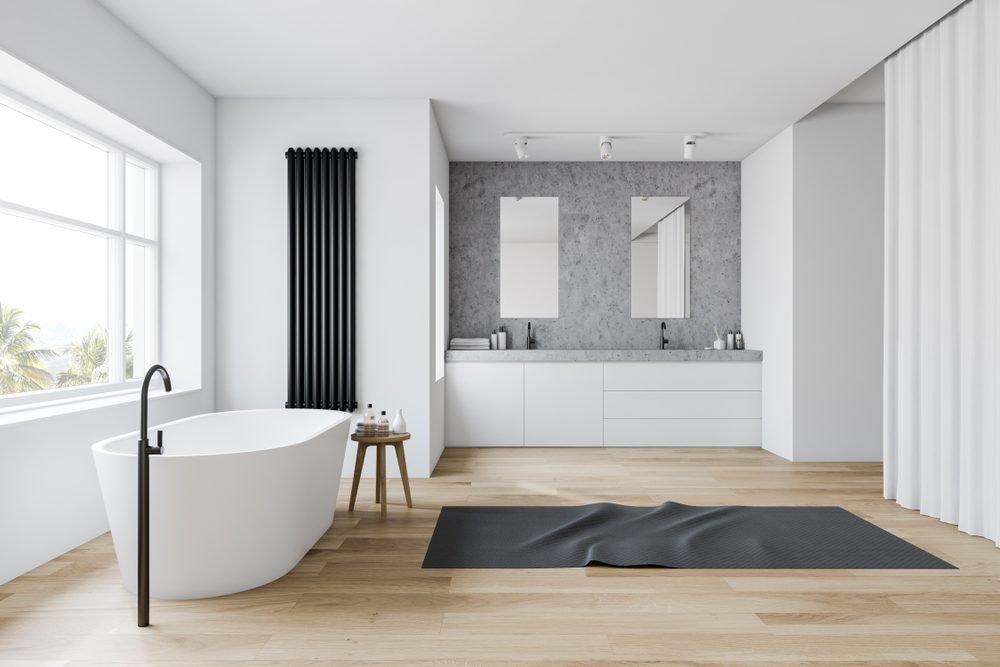
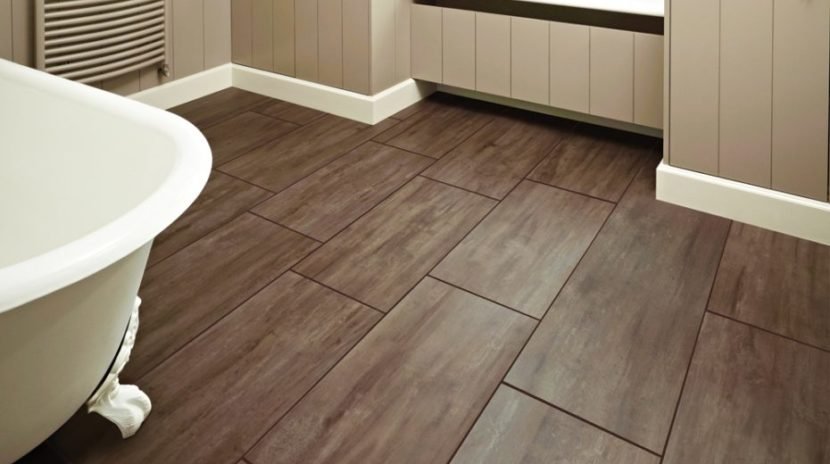
Luxury vinyl flooring is a top choice for accessible bathrooms due to its slip resistance, water resistance, and ease of installation. Many products are designed with textured surfaces to enhance traction. Vinyl is also softer underfoot than ceramic or stone, which can be beneficial for those with joint pain.
Porcelain and Ceramic Tiles
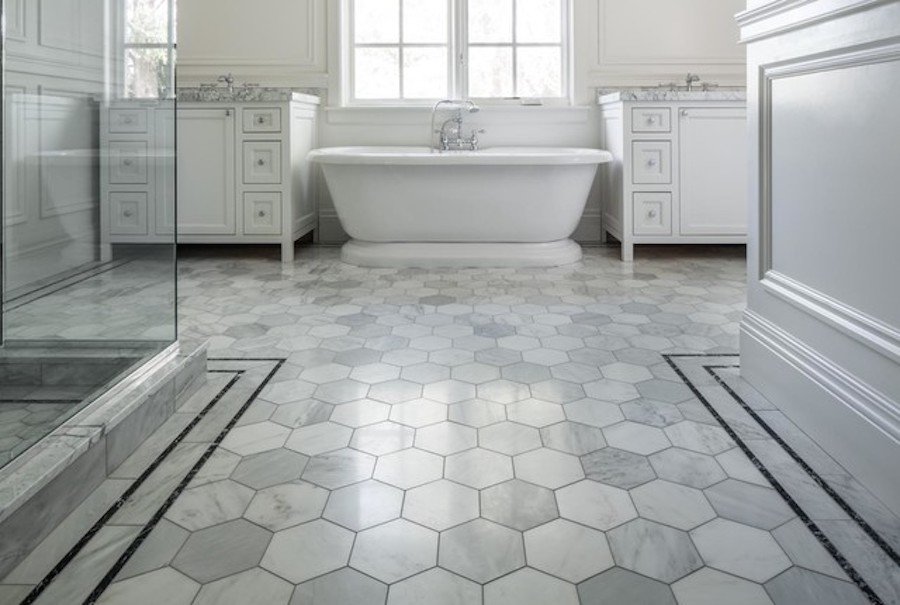
Tiles are a classic bathroom flooring option. To ensure accessibility, choose tiles with a matte or textured finish for better grip. Large-format tiles with minimal grout lines are ideal for smooth transitions. Some manufacturers offer tiles specifically tested for high slip resistance, making them suitable for accessible bathrooms.
Rubber Flooring
Rubber is naturally slip-resistant and provides a cushioned surface, reducing fatigue and injury risk. It is also easy to clean and available in sheets or tiles for seamless installation. Rubber flooring is often used in commercial or institutional settings but can be a practical solution for home bathrooms as well.
Natural Stone with Textured Finish
While natural stone can be slippery when polished, honed or textured finishes improve traction. Be sure to seal stone surfaces properly to prevent water absorption and staining. Always check the slip resistance rating before selecting stone for accessible bathrooms.
Installation Tips for Accessible Bathroom Floors
Proper installation is just as important as material selection. Here are some practical tips to ensure your bathroom floor meets accessibility standards:
- Level Subfloor: Start with a flat, stable subfloor to prevent uneven surfaces that could impede mobility aids.
- Flush Transitions: Use transition strips or ramps to create smooth connections between different flooring materials.
- Seal Grout Lines: For tile installations, use narrow grout lines and seal them to prevent moisture intrusion and bacterial growth.
- Professional Installation: Consider hiring an experienced installer familiar with ADA requirements to ensure compliance and durability.
For more ideas on combining different tile types, see this resource on mixing tile styles on bathroom floor.
Design Considerations for Accessible Bathrooms
Accessibility does not mean sacrificing style. Modern flooring options come in a wide range of colors, patterns, and textures. Here are some design tips to balance function and aesthetics:
- Contrast: Use contrasting colors between the floor and fixtures to aid those with visual impairments.
- Warmth and Comfort: Consider radiant floor heating for added comfort, especially with tile or stone surfaces.
- Low-Maintenance Finishes: Choose finishes that resist stains and are easy to clean, reducing maintenance time and effort.
- Consistent Flooring: Extending the same flooring throughout the bathroom and adjacent areas minimizes tripping hazards.
For more inspiration on affordable and accessible flooring, check out this guide to the most affordable bathroom flooring options.
Common Mistakes to Avoid When Choosing Accessible Bathroom Floors
Even with the best intentions, some common pitfalls can undermine accessibility goals. Avoid these mistakes:
- Choosing glossy or polished finishes that become slippery when wet.
- Ignoring the importance of professional installation, which can lead to uneven surfaces or poor water sealing.
- Overlooking the need for regular maintenance to preserve slip resistance and hygiene.
- Selecting materials with wide grout lines or deep textures that trap dirt and impede wheelchairs.
If you are unsure about which flooring is right for your needs, reviewing a comprehensive list of bathroom flooring ideas can help you compare features and benefits.
Frequently Asked Questions
What is the minimum slip resistance required for accessible bathroom floors?
The ADA recommends a static coefficient of friction (COF) of at least 0.6 for accessible routes and 0.8 for ramps. Always check product specifications to ensure compliance.
Can I use natural stone in an accessible bathroom?
Yes, but choose honed or textured finishes for better traction. Make sure the stone is properly sealed and meets slip resistance standards.
Are vinyl floors suitable for wheelchair users?
Luxury vinyl plank and tile are excellent choices for accessible bathrooms. They are durable, slip-resistant, and provide a smooth surface for wheelchairs and walkers.
How do I maintain slip resistance over time?
Regular cleaning and avoiding waxy or oily cleaners will help preserve slip resistance. Reapply sealants or anti-slip treatments as recommended by the manufacturer.
Conclusion
Selecting ADA compliant bathroom flooring is a critical step in creating safe, accessible, and attractive bathrooms. By focusing on slip resistance, durability, and thoughtful design, you can ensure your space meets both regulatory requirements and the needs of all users. For more tips on choosing the right materials and installation methods, consider exploring resources like the guide to choosing bathroom tile size.