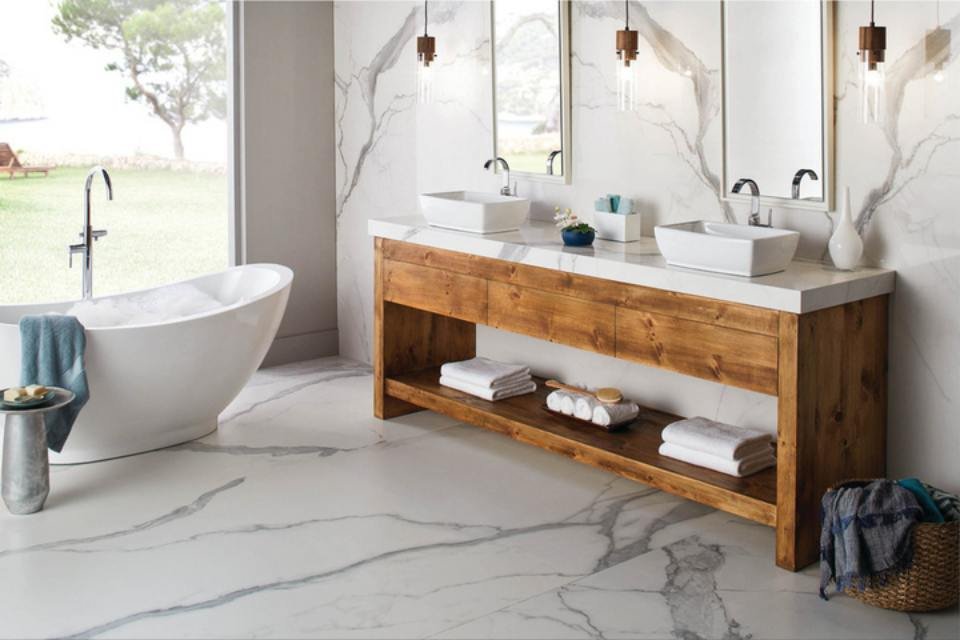
Choosing the right flooring for rental bathrooms is a decision that impacts not only the look and feel of the space but also long-term maintenance and tenant satisfaction. Landlords and property managers need surfaces that can withstand frequent use, moisture, and the occasional mishap—all while staying attractive and cost-effective. This guide explores the most reliable and practical flooring options for rental bathrooms, focusing on materials that balance durability, water resistance, and ease of care.
Whether you’re updating a single unit or managing multiple properties, understanding the strengths and weaknesses of various bathroom flooring types is essential. We’ll cover the top choices for resilient, low-maintenance floors, offer tips on installation and upkeep, and help you make an informed decision that benefits both you and your tenants.
For a comprehensive look at all your options, you may also want to consult the bathroom flooring buyer’s guide, which provides detailed comparisons and tips for homeowners and landlords alike.
Key Factors When Selecting Rental Bathroom Flooring
Before diving into specific materials, it’s important to consider what makes a floor ideal for rental properties. The best surfaces for rental bathrooms share several characteristics:
- Water resistance: Bathrooms are exposed to constant moisture. Flooring must repel water to prevent warping, mold, and damage.
- Durability: High-traffic areas require surfaces that resist scratches, dents, and stains.
- Easy maintenance: Tenants appreciate floors that are simple to clean, and landlords benefit from reduced upkeep.
- Affordability: Cost-effective solutions help maximize return on investment, especially in multi-unit properties.
- Style versatility: Neutral, attractive designs make units more appealing to a broad range of renters.
Top Flooring Choices for Rental Bathrooms
Let’s explore the most popular and practical flooring options for rental bathrooms, highlighting their pros, cons, and suitability for long-term use.
Luxury Vinyl Plank and Tile: Resilient and Stylish
Luxury vinyl flooring—both plank (LVP) and tile (LVT)—has become a favorite for rental properties due to its impressive combination of durability, water resistance, and realistic appearance. These floors mimic the look of wood or stone but offer far greater resilience in wet environments.
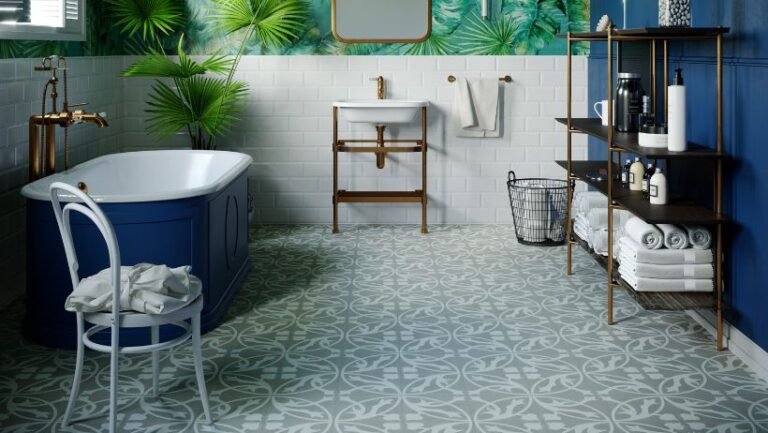
- Pros: 100% waterproof, comfortable underfoot, easy to install (often DIY-friendly), and available in a wide range of styles.
- Cons: Can be punctured by sharp objects, and lower-quality products may fade or curl over time.
For landlords seeking a balance of affordability and performance, vinyl plank and tile are hard to beat. They are especially suitable for units that need a quick, attractive upgrade without the hassle of complex installation.
Porcelain and Ceramic Tile: Classic and Long-Lasting
Porcelain and ceramic tiles have long been the standard for bathrooms thanks to their exceptional water resistance and longevity. These materials are dense, non-porous, and come in countless colors, shapes, and finishes.
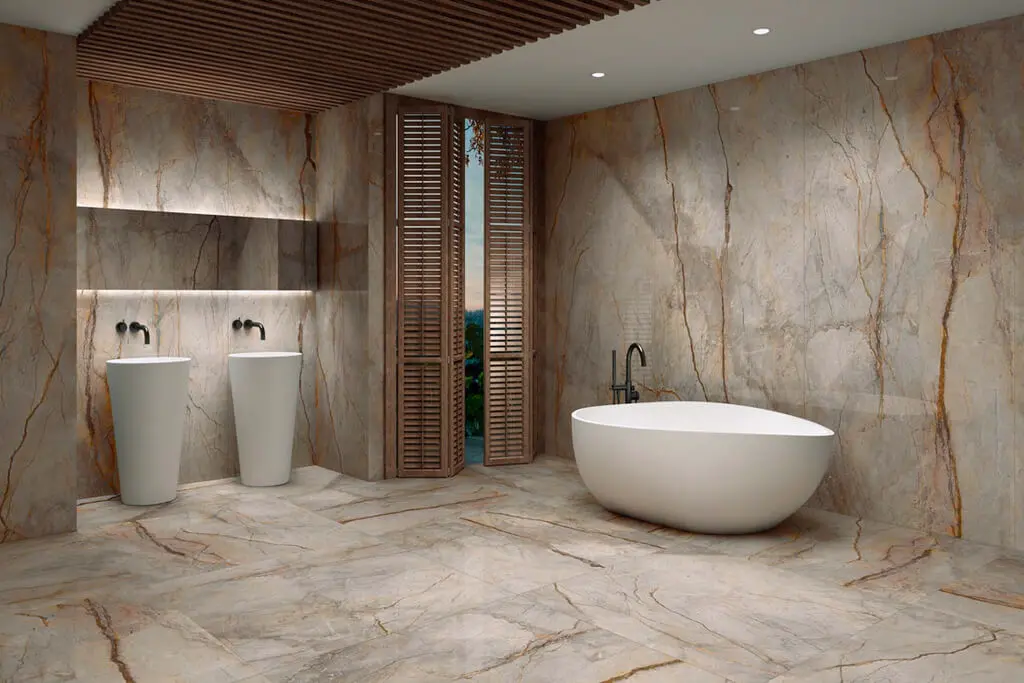
- Pros: Highly durable, waterproof, and resistant to stains and scratches. Wide design flexibility.
- Cons: Grout lines require regular cleaning and sealing. Tiles can crack if heavy objects are dropped, and installation is more labor-intensive.
Tile flooring is an excellent choice for landlords who want a long-term solution and are willing to invest in professional installation. For tips on combining different tile looks, see mixing tile styles on bathroom floor for creative ideas that can set your rental apart.
Sheet Vinyl: Budget-Friendly and Practical
Sheet vinyl remains a practical option for landlords looking for a low-cost, water-resistant surface. Modern sheet vinyl comes in attractive patterns that can mimic tile or stone, and its seamless installation means fewer places for water to seep through.
- Pros: Inexpensive, quick to install, and easy to clean. Seamless sheets reduce risk of water damage.
- Cons: Less durable than luxury vinyl or tile, and may show wear in high-traffic areas over time.
For short-term rentals or budget-conscious renovations, sheet vinyl is a solid choice. However, it may need replacement sooner than other materials in high-use environments.
Materials to Avoid in Rental Bathroom Floors
Not all flooring types are suitable for wet, high-traffic spaces. Here are some surfaces to avoid in rental bathrooms:
- Solid hardwood: Prone to warping and water damage.
- Carpet: Absorbs moisture, leading to mold and odors.
- Laminates: Most are not truly waterproof and can swell or delaminate when exposed to standing water.
For more on budget-friendly alternatives, check out the most affordable bathroom flooring guide for additional insights.
Installation and Maintenance Tips for Rental Properties
Even the most durable flooring can fail if not installed or maintained properly. Here are some best practices for landlords:
- Hire experienced installers for tile and sheet vinyl to ensure waterproof seams and proper subfloor preparation.
- Use waterproof adhesives and sealants, especially around tubs, toilets, and sinks.
- Choose grout with built-in stain resistance or apply a quality sealer to reduce maintenance.
- Provide tenants with clear care instructions to extend the life of the flooring.
If you’re considering tile, learning how to avoid lippage in tile installation can help achieve a professional, safe finish.
Comparing Costs and Value
The initial price of flooring is only part of the equation. Consider the total cost of ownership, including installation, maintenance, and replacement frequency. While tile may have a higher upfront cost, its longevity can make it more economical over time. Vinyl products offer a great balance of affordability and durability, especially for quick turnovers.
For those unsure about sizing, how to choose bathroom tile size can help you select the right dimensions for your space and budget.
Expert Advice and Additional Resources
For more inspiration and practical advice, consider browsing these bathroom flooring ideas for rentals from industry professionals. Staying informed about the latest trends and installation techniques can help you make the most of your investment and keep your properties competitive.
Frequently Asked Questions
What is the most water-resistant flooring for rental bathrooms?
Porcelain and ceramic tiles are the most water-resistant options, followed closely by luxury vinyl plank and tile. Both materials are designed to withstand moisture and are suitable for high-use rental bathrooms.
How often should bathroom flooring be replaced in a rental property?
With proper installation and care, tile floors can last 20 years or more, while quality vinyl products typically last 10–15 years. Sheet vinyl may need replacement every 5–10 years, depending on wear and tenant turnover.
Can I install bathroom flooring myself, or should I hire a professional?
Many landlords successfully install luxury vinyl plank or tile themselves, as these products are designed for DIY installation. However, for tile or sheet vinyl, professional installation is recommended to ensure waterproofing and longevity.
Are there affordable options that still look high-end?
Yes, modern vinyl plank and tile products can closely mimic the appearance of wood or stone at a fraction of the cost, offering a stylish look with excellent durability for rentals.
How do I prevent grout stains and mold in rental bathrooms?
Use stain-resistant grout or apply a quality sealer, and educate tenants on regular cleaning. Proper ventilation also helps reduce moisture buildup and mold growth.