
Looking to refresh your bathroom with a modern yet timeless look? Hexagon tile bathroom floor layouts have become a favorite for homeowners and designers alike, offering a unique blend of geometric interest and classic style. Whether you’re aiming for a bold statement or a subtle pattern, these six-sided tiles can transform any space, large or small. Their versatility in size, color, and material makes them suitable for a variety of design preferences, from minimalist to vintage-inspired.
In this article, you’ll find practical ideas, expert tips, and visual examples to help you plan a stunning hexagonal tile floor in your own bathroom. We’ll also cover important considerations like installation, maintenance, and how to mix these tiles with other flooring options for a truly custom look. For a deeper dive into selecting the best surface for your space, check out our bathroom flooring buyer’s guide.
Why Choose a Hexagon Pattern for Your Bathroom Floor?
The geometric charm of a hexagonal layout brings visual interest and a sense of movement to bathroom floors. Unlike traditional square or rectangular tiles, these six-sided pieces create a honeycomb effect that can make even compact bathrooms feel more dynamic. Here are a few reasons why many homeowners opt for this style:
- Timeless Appeal: Hexagonal tiles have been used for decades, yet they always look fresh and contemporary.
- Design Flexibility: Available in a wide range of materials—ceramic, porcelain, marble, and even vinyl—these tiles suit both modern and classic interiors.
- Pattern Play: Their shape allows for creative layouts, including color blocking, borders, and intricate mosaics.
- Slip Resistance: The increased grout lines between small tiles can offer better traction, which is especially important in wet areas.
Popular Styles and Color Schemes for Hexagonal Bathroom Floors
When it comes to designing a hexagon tile bathroom floor, the possibilities are nearly endless. Here are some of the most popular approaches:
Classic Black and White
A monochrome palette never goes out of style. Black and white hexagonal tiles arranged in a checkerboard or random pattern evoke a vintage feel, perfect for historic homes or those seeking a retro touch. Pair with subway tile walls for a cohesive look.
Soft Neutrals and Pastels
For a calming, spa-like atmosphere, consider soft gray, beige, or pastel hex tiles. These hues reflect light and make smaller bathrooms appear more spacious. Matte finishes can add a contemporary edge while keeping the space serene.
Bold Colors and Patterns
Want to make a statement? Deep blues, emerald greens, or even multi-colored mosaics can turn your floor into a focal point. Some homeowners use colored grout to highlight the geometric pattern, while others opt for a gradient or ombre effect.
Mixing Hexagonal Tiles with Other Flooring Styles
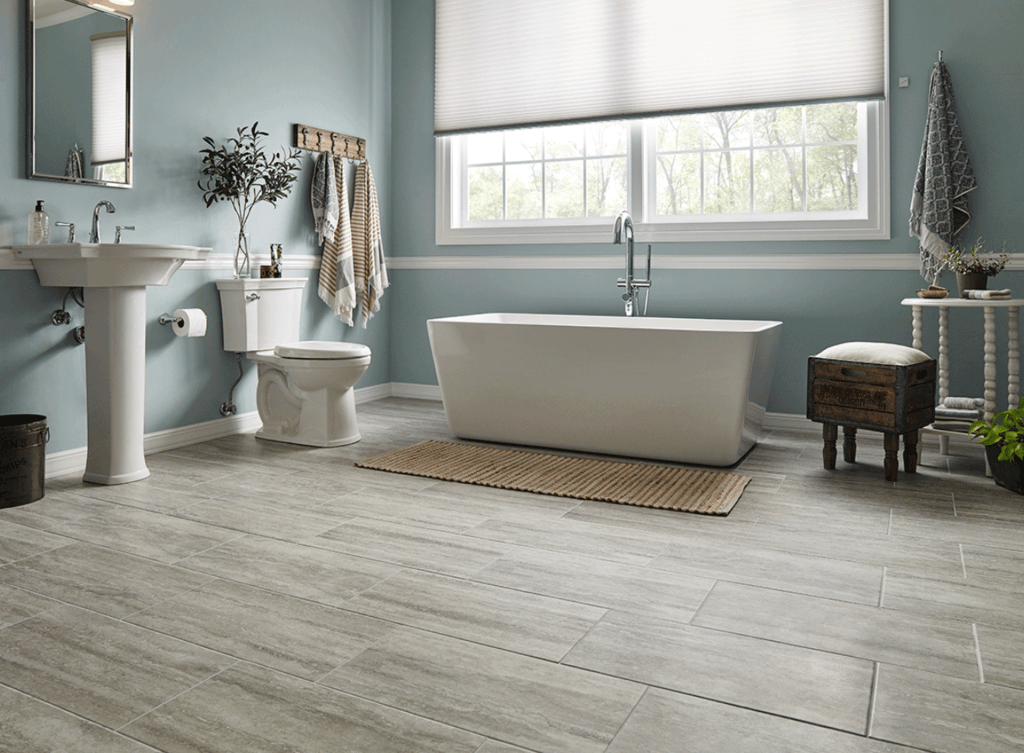
Combining hex tiles with other materials, like wood-look planks or large-format porcelain, can add depth and interest to your bathroom. For example, you might use hexagons in the main area and transition to a different tile in the shower or vanity zone. This approach works well in open-plan bathrooms or when you want to define separate areas without using walls.
For more tips on combining different tile types, see our guide on mixing tile styles on bathroom floor.
Installation Tips for Hexagon Tile Floors
Laying out a hexagonal tile pattern requires careful planning. Here are some practical tips to ensure a professional result:
- Surface Preparation: Make sure your subfloor is clean, level, and dry before starting. Any imperfections can cause tiles to shift or crack.
- Layout Planning: Dry-lay your tiles first to determine the best starting point and minimize small cuts at the edges.
- Grout Selection: Choose a grout color that complements your tile. Contrasting grout highlights the pattern, while a matching shade creates a seamless look.
- Spacing and Lippage: Use spacers to maintain even gaps and avoid uneven surfaces. For more on this, read our article on how to avoid lippage in tile installation.

Maintenance and Cleaning Advice
Keeping your hexagonal bathroom floor looking its best is straightforward with the right routine. Sweep or vacuum regularly to remove dust and debris, and mop with a mild cleaner suitable for your tile material. Avoid harsh chemicals that can damage grout or tile finishes. Sealing grout lines can help prevent staining and make cleaning easier, especially in high-traffic bathrooms.
For those interested in cost-effective solutions, our guide to the most affordable bathroom flooring options includes tips on maintaining various surfaces, including hex tiles.
Choosing the Right Size and Material for Your Space
Hexagonal tiles come in a range of sizes, from tiny mosaics to large-format options. Smaller tiles are ideal for intricate patterns or compact bathrooms, while larger tiles create a more open, seamless effect. Material choice also matters:
- Ceramic and Porcelain: Durable, water-resistant, and available in many colors and finishes.
- Natural Stone: Adds luxury and texture, but may require more maintenance.
- Vinyl: Budget-friendly and easy to install, with many realistic stone or wood-look options.
If you’re unsure which tile size works best for your bathroom, our resource on how to choose bathroom tile size offers practical guidance.
Expert Tips for a Successful Hexagon Tile Project
- Order extra tiles to account for cuts and future repairs.
- Use a high-quality adhesive and follow manufacturer instructions for your chosen material.
- Consider radiant heating beneath your tile floor for added comfort.
- Consult a professional installer if you’re new to tile work or working with natural stone.
Additional Resources and Inspiration
For more ideas and technical advice, you can explore this comprehensive bathroom flooring buying guide from DIY experts. You’ll find comparisons of materials, installation tips, and inspiration for every budget.
Frequently Asked Questions
Are hexagonal tiles suitable for small bathrooms?
Yes, hex tiles can actually make a small bathroom appear larger by creating a continuous pattern that draws the eye across the floor. Choosing lighter colors and smaller tile sizes can enhance this effect.
How do I clean and maintain a hexagon tile floor?
Regular sweeping and mopping with a gentle cleaner will keep your floor looking fresh. Sealing the grout lines is recommended to prevent stains and moisture buildup, especially in high-use bathrooms.
Can I install hexagonal tiles myself?
DIY installation is possible, especially with vinyl or peel-and-stick options. However, ceramic, porcelain, or natural stone tiles may require more skill and specialized tools. Careful planning and patience are key to achieving a professional finish.