Updating a bathroom floor can dramatically improve both its appearance and functionality, but a full tile replacement is often costly and disruptive. Many homeowners are now considering layering vinyl over tile in bathroom spaces as a practical and budget-friendly alternative. This approach allows you to refresh your flooring without the hassle of removing existing tiles, making it a popular choice for DIY enthusiasts and renovators alike.
In this article, you’ll find a comprehensive overview of the process, including preparation steps, installation tips, and key considerations to ensure a successful outcome. Whether you’re aiming for a quick style update or seeking a durable, water-resistant surface, vinyl flooring over tile can be an effective solution. For those comparing different flooring materials, the Bathroom flooring buyer’s guide offers additional insights into the best options for your space.
Why Choose Vinyl Flooring Over Existing Tile?
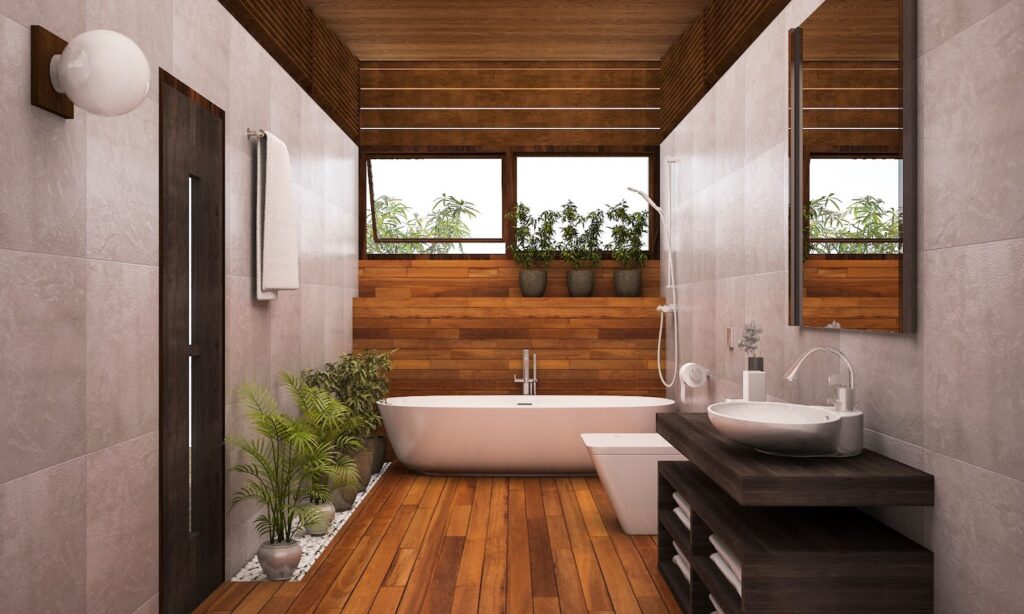
Opting to install vinyl planks or tiles directly over your current bathroom tile offers several advantages. First, it saves time and labor by eliminating the need for demolition. Second, vinyl is known for its water resistance, making it suitable for high-moisture environments. Finally, modern vinyl products come in a wide range of styles, including wood-look and stone-look designs, allowing you to achieve the look you want without sacrificing durability.
For those interested in cost-effective solutions, exploring the most affordable bathroom flooring options can help you compare vinyl with other materials.
Assessing Your Existing Tile for Vinyl Installation
Before starting the process, it’s important to evaluate the condition of your current tile floor. The surface should be level, clean, and free from major cracks or loose tiles. Any significant unevenness can cause issues with the new vinyl layer, leading to premature wear or visible imperfections.
- Check for stability: Press on tiles to ensure none are loose or hollow-sounding.
- Look for cracks: Small hairline cracks can be filled, but larger breaks may require repair or replacement.
- Assess grout lines: Deep or wide grout lines may need to be leveled to prevent telegraphing through the vinyl.
If your tile is in good condition, you can proceed with confidence. Otherwise, address any underlying issues before moving forward.
Preparing the Bathroom Floor for Vinyl Layering
Proper preparation is key to a successful installation. Here are the essential steps:
- Clean the surface: Remove all dust, dirt, and grease using a suitable cleaner. Allow the floor to dry completely.
- Level grout lines: Use a floor leveling compound to fill deep grout lines or minor dips. Smooth the surface with a trowel and let it cure as directed.
- Sand glossy tiles: If your tiles are particularly shiny, lightly sand them to help the adhesive bond better.
- Remove obstructions: Take out baseboards, trim, or any fixtures that may interfere with the new flooring.
Choosing the Right Vinyl Product for Your Bathroom
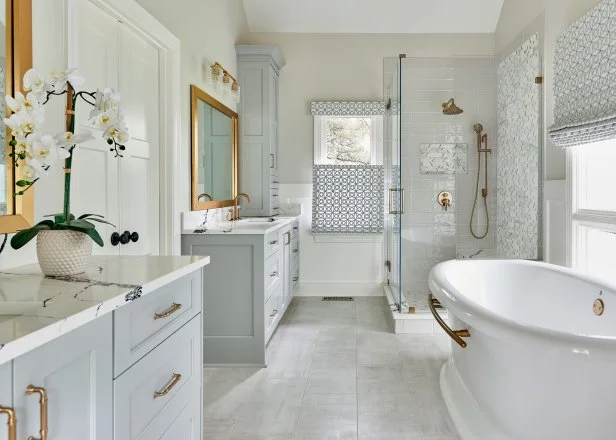
Selecting the appropriate vinyl flooring is crucial for both performance and aesthetics. There are two main types to consider:
- Luxury Vinyl Plank (LVP): Mimics the look of wood or stone, comes in plank form, and is often thicker and more durable.
- Vinyl Tile: Available in square or rectangular shapes, ideal for replicating the appearance of ceramic or porcelain tiles.
Look for products labeled as waterproof or water-resistant, as these are best suited for bathrooms. Peel-and-stick options are popular for their ease of installation, while click-lock systems provide a floating floor that can be removed or replaced more easily.
Step-by-Step Process for Installing Vinyl Over Tile
Once your surface is prepped and your materials are ready, follow these steps for a smooth installation:
- Acclimate the vinyl: Bring the vinyl planks or tiles into the bathroom and let them sit for at least 48 hours to adjust to the room’s temperature and humidity.
- Plan your layout: Measure the space and dry-fit the planks or tiles to minimize awkward cuts and ensure a balanced look.
- Apply adhesive (if needed): For glue-down or peel-and-stick products, follow the manufacturer’s instructions for adhesive application.
- Install the vinyl: Start from one corner and work your way across the room, pressing each piece firmly into place. Use a roller to ensure good adhesion and eliminate air pockets.
- Trim edges: Cut vinyl as needed to fit around fixtures, walls, or doorways using a sharp utility knife.
- Replace baseboards and trim: Once the floor is complete, reinstall any removed trim for a finished look.
Common Challenges and How to Address Them
While adding vinyl over tile is generally straightforward, a few challenges can arise:
- Uneven tile surfaces: Use a self-leveling compound to create a flat base before laying vinyl.
- Moisture issues: Ensure the existing tile is dry and check for leaks before installation to prevent mold or mildew.
- Transitions and thresholds: Use appropriate transition strips where the new floor meets other surfaces for a seamless look.
For more ideas on mixing materials, see this resource on mixing tile styles on bathroom floor.
Design Inspiration and Maintenance Tips
Vinyl flooring offers a wide range of design possibilities, from classic wood grains to bold geometric patterns. For inspiration, browse curated galleries such as these bathroom floor ideas to find a style that matches your vision.
Maintaining your new surface is simple:
- Sweep or vacuum regularly to remove debris.
- Clean with a damp mop and mild cleaner—avoid harsh chemicals.
- Wipe up spills promptly to prevent staining or water damage.
Is Vinyl Over Tile Right for Your Bathroom?
Deciding whether to install vinyl over your existing tile depends on your goals, budget, and the condition of your current floor. This method is ideal for those seeking a quick, affordable update without major renovation work. However, if your tile is severely damaged or uneven, a full replacement may be necessary.
For help choosing the best tile size for your space, see the how to choose bathroom tile size guide.
Frequently Asked Questions
Will installing vinyl over tile raise my bathroom floor too much?
Most vinyl planks and tiles are relatively thin, typically adding only 4–8 mm to your floor height. However, you should check clearances for doors and fixtures to ensure they still operate smoothly after installation.
Can I install vinyl over cracked or damaged tiles?
Minor cracks can be filled and leveled, but large or loose tiles should be repaired or replaced before laying vinyl. A stable, even surface is essential for long-term results.
Is vinyl flooring waterproof enough for bathrooms?
Most modern vinyl products are designed to be water-resistant or fully waterproof, making them suitable for bathrooms. Always check the manufacturer’s specifications and ensure proper installation to prevent water from seeping underneath.
How long does vinyl flooring last in a bathroom?
With proper care and installation, vinyl flooring can last 10–20 years or more in a bathroom environment. Regular cleaning and prompt attention to spills will help extend its lifespan.