When planning a bathroom renovation or simply maintaining your home, understanding how long does bathroom flooring last can help you make smart, cost-effective decisions. The lifespan of your bathroom floor depends on the material you choose, how well it’s installed, and the level of care it receives over the years. Some surfaces are designed to withstand decades of moisture and foot traffic, while others may need replacing sooner.
This article breaks down the typical durability of popular bathroom flooring options, what affects their longevity, and how you can extend the life of your investment. If you’re still exploring which surface is right for your space, our bathroom flooring buyer’s guide offers a comprehensive look at styles, pros, and cons.
Factors That Influence Bathroom Floor Longevity
Several elements play a role in determining how long your bathroom flooring will serve you. Moisture exposure, installation quality, cleaning habits, and the specific material all contribute to its overall durability. High humidity and standing water can shorten the life of some surfaces, while others are engineered to resist these challenges.
- Material selection: Some floors, like porcelain tile, are naturally more resilient than others such as laminate.
- Installation: Properly installed floors with sealed seams and edges last longer and resist water damage.
- Maintenance: Regular cleaning and prompt repair of any damage can add years to your floor’s lifespan.
- Traffic: Bathrooms with heavy use may see more wear, especially in busy households.
Average Lifespan by Bathroom Flooring Type
The answer to how long does bathroom flooring last varies widely based on the material. Below, you’ll find a breakdown of the most common options and their expected durability under normal residential use.
Porcelain and Ceramic Tile
Porcelain and ceramic tiles are among the most popular choices for bathrooms due to their water resistance and classic look. With proper installation and care, these tiles can last 20 to 50 years or more. Grout maintenance is key—reapplying sealant and cleaning regularly prevents staining and moisture intrusion.
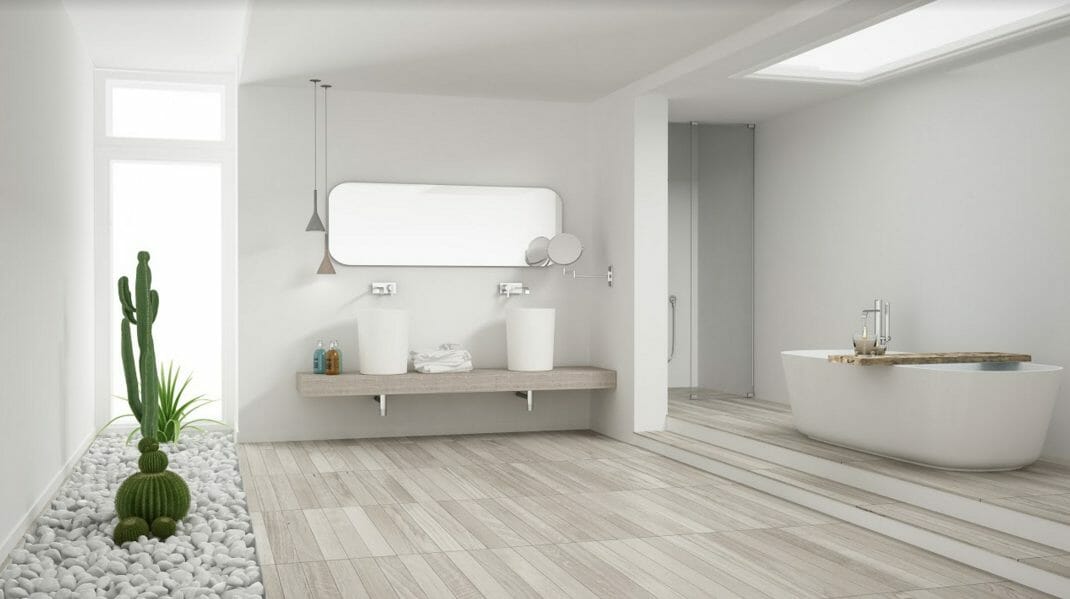
If you’re interested in combining different tile looks, see our tips for mixing tile styles on bathroom floor for a unique finish.
Vinyl Flooring (Sheet, Plank, and Tile)
Vinyl is a budget-friendly, waterproof option that’s easy to install and maintain. Modern luxury vinyl planks and tiles can last 10 to 20 years in a bathroom, while sheet vinyl may need replacing a bit sooner. The key to maximizing vinyl’s lifespan is ensuring seams are tightly sealed and avoiding standing water.
Natural Stone (Marble, Granite, Slate)
Stone floors offer a luxurious appearance and can endure for 20 to 100 years, depending on the type and how well they’re cared for. Marble and limestone are softer and more prone to etching, while granite and slate are tougher. Regular sealing is essential to prevent stains and water damage.
Engineered Wood and Laminate
While not as common in bathrooms, engineered wood and high-quality laminate can be used if properly protected from moisture. Expect a lifespan of 10 to 15 years for engineered wood and 5 to 10 years for laminate in a bathroom setting. Water-resistant varieties and careful installation are crucial.
Concrete and Specialty Surfaces
Concrete floors, when sealed, can last 30 years or more in a bathroom. They’re highly durable but may feel cold underfoot. Specialty coatings and microcement finishes are also gaining popularity for their seamless look and longevity. For more inspiration, browse these bathroom flooring ideas with modern surfaces.
How to Extend the Life of Your Bathroom Floor
No matter which surface you choose, a few simple habits can help you get the most from your investment:
- Wipe up spills and standing water promptly to prevent seepage and warping.
- Use bath mats in high-traffic and splash-prone areas.
- Clean with gentle, non-abrasive products suitable for your floor type.
- Inspect grout, caulk, and seams regularly, repairing any cracks or gaps.
- Reseal stone, tile, and concrete as recommended by the manufacturer.
If you’re working with tile, learning how to avoid lippage in tile installation can ensure a longer-lasting, professional finish.
When Should You Replace Your Bathroom Flooring?
Even the most durable surfaces will eventually show signs of wear. Consider replacement if you notice:
- Cracks, chips, or broken tiles that can’t be repaired
- Persistent mold or mildew under the surface
- Peeling, bubbling, or warping in vinyl or laminate
- Loose or missing grout and caulk
- Stains or discoloration that don’t respond to cleaning
For those on a budget, explore most affordable bathroom flooring options that balance cost and durability.
FAQ About Bathroom Flooring Lifespans
What is the most durable bathroom flooring material?
Porcelain tile and natural stone are among the most durable options, often lasting several decades with proper care. Vinyl and concrete also offer excellent longevity when installed and maintained correctly.
How can I make my bathroom floor last longer?
Regular cleaning, prompt repair of any damage, using bath mats, and resealing grout or stone surfaces as needed will help maximize your floor’s lifespan. Avoid harsh chemicals and prevent standing water whenever possible.
Is it worth investing in higher-end flooring for a bathroom?
Investing in quality materials and professional installation can pay off in the long run, as these floors typically last longer and require fewer repairs. Consider your budget, style preferences, and how much use the bathroom receives before making a decision.
Can I install new flooring over existing bathroom tiles?
In some cases, yes. Many vinyl planks and tiles are designed for floating installation over existing surfaces, provided the old floor is level and in good condition. Always follow manufacturer guidelines for best results.
For more tips on choosing the right surface, see our advice on how to choose bathroom tile size for your space.