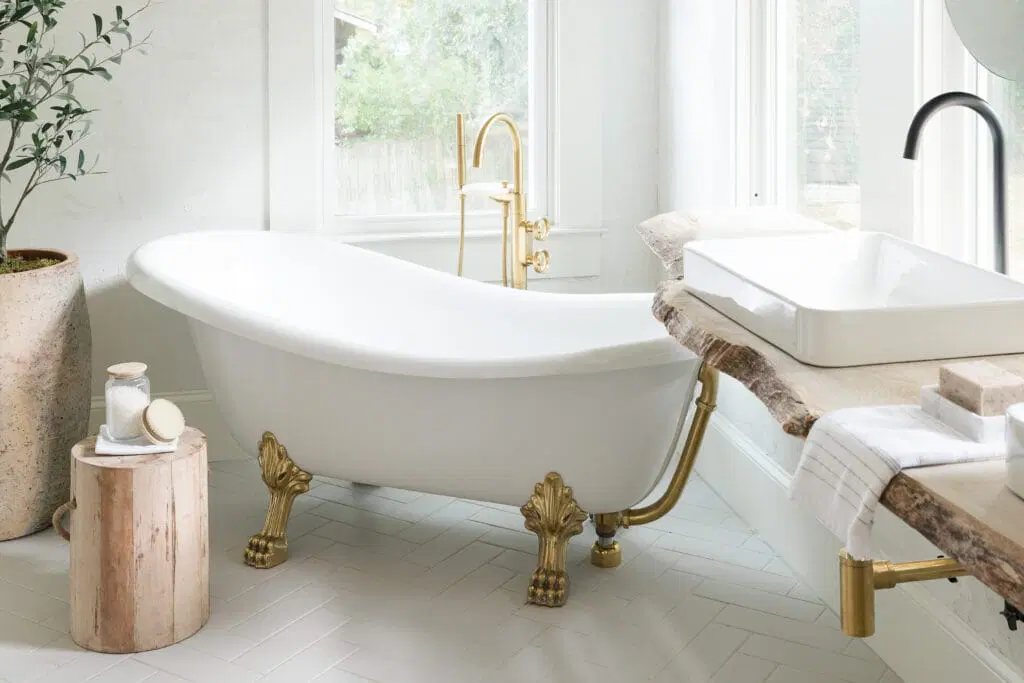
Choosing the right bathroom floor texture ideas can dramatically impact both the look and feel of your space. Modern bathrooms are no longer just about functionality—they’re about creating a relaxing, stylish retreat that reflects your personal taste. The texture of your flooring plays a crucial role, influencing not only aesthetics but also safety and comfort underfoot.
From sleek tiles to warm wood-look planks, today’s options offer a range of tactile experiences and visual effects. Whether you’re renovating a master suite or updating a powder room, understanding the latest trends and practical considerations will help you select the best surface for your needs.
For a comprehensive look at materials, durability, and installation tips, check out the Bathroom flooring buyer’s guide for homeowners. This resource covers everything from cost to care, helping you make an informed decision early in your project.
Why Texture Matters in Modern Bathroom Flooring
Texture is more than just a visual element—it’s a practical consideration that affects safety, maintenance, and comfort. In wet environments like bathrooms, slip resistance is essential. Textured surfaces can help prevent accidents while adding depth and interest to your design.
Modern design favors clean lines and a balance of natural and engineered materials. The right texture can soften a minimalist space or add a tactile layer to a contemporary look. It’s also a way to introduce warmth, especially when using materials that mimic wood or stone.
Popular Bathroom Floor Texture Options
Let’s explore the most popular choices for adding texture to your bathroom floor. Each option offers unique benefits and can be tailored to fit your style and budget.
Matte and Satin-Finish Porcelain Tiles
Matte and satin-finish tiles are a staple in modern bathrooms. Their subtle texture provides grip without feeling rough, making them a safe and stylish choice. Porcelain is highly durable and water-resistant, ideal for high-traffic areas.
These tiles come in a variety of sizes and patterns, from large-format slabs to intricate mosaics. The muted finish reduces glare and creates a calming atmosphere, perfect for spa-inspired spaces.
Textured Stone and Stone-Look Surfaces
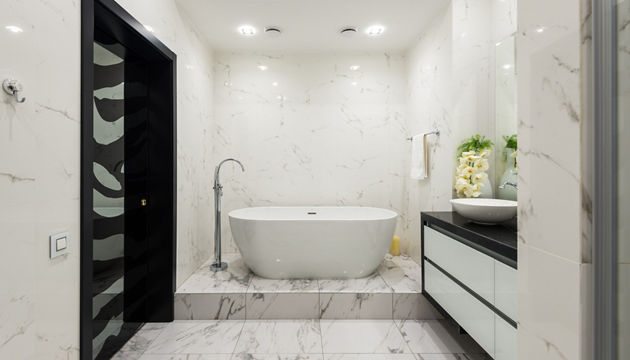
Natural stone, such as slate or travertine, brings organic texture and timeless appeal. These materials often feature a slightly uneven surface, which enhances slip resistance and adds character. Stone-look porcelain tiles offer a similar effect with easier maintenance and a lower price point.
For a modern twist, consider large-format tiles with a honed or brushed finish. These surfaces are less glossy than polished stone, providing a tactile experience that’s both practical and visually striking.
If you’re interested in longevity, explore how long bathroom flooring lasts by material to help you choose the right stone or stone-look option for your needs.
Wood-Look and Embossed Vinyl Planks
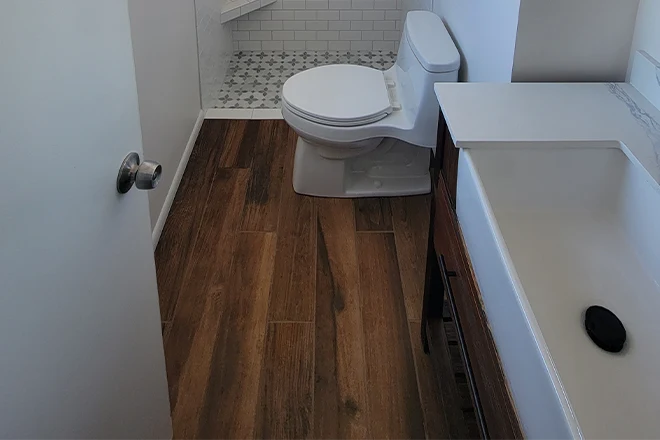
Wood-look vinyl planks have surged in popularity for modern bathrooms. Advances in manufacturing have made it possible to replicate the grain and texture of real wood, while offering superior water resistance. Embossed finishes add depth, making each plank feel authentic underfoot.
These planks are softer and warmer than tile, making them comfortable for bare feet. They’re also easy to clean and maintain, which is a major plus in busy households.
Patterned and 3D-Effect Tiles
For those looking to make a statement, patterned tiles and 3D-effect surfaces offer endless creative possibilities. Geometric shapes, raised motifs, and tactile finishes can turn your floor into a work of art. These options are especially effective in small bathrooms, where a bold floor can serve as the focal point.
When choosing intricate patterns or raised textures, consider ease of cleaning and maintenance. Some designs may require more frequent attention to keep grout lines and crevices looking fresh.
Practical Considerations for Selecting Floor Textures
When evaluating bathroom floor texture ideas, keep these key factors in mind:
- Slip Resistance: Prioritize surfaces that provide grip, especially in wet areas.
- Comfort: Textured vinyl and wood-look planks offer a softer feel than stone or tile.
- Maintenance: Choose finishes that are easy to clean and don’t trap dirt or moisture.
- Style: Match the texture to your overall design vision, whether it’s minimalist, rustic, or bold and modern.
For those working within a budget, explore the most affordable bathroom flooring options that don’t compromise on style or texture.
Installation Tips for Modern Textured Floors
Proper installation is crucial to ensure your new floor looks great and performs well over time. Here are a few tips:
- Always follow manufacturer recommendations for subfloor preparation and adhesive selection.
- For vinyl planks or tiles, consider layering vinyl over tile in bathroom settings for a quick update without demolition.
- Seal grout lines and stone surfaces to prevent water infiltration and staining.
- Allow for expansion gaps with floating floors to prevent buckling.
If you’re unsure about installation, consult a professional to avoid costly mistakes and ensure a long-lasting result.
Combining Texture and Color for a Cohesive Look
Texture and color work hand-in-hand to create a harmonious bathroom design. Neutral tones, such as soft grays, beiges, and whites, are popular for their versatility and calming effect. Pairing these shades with textured surfaces adds depth without overwhelming the space.
For more inspiration on color choices, visit the guide to the best neutral bathroom flooring colors. This can help you coordinate your floor with wall tiles, fixtures, and accessories for a unified look.
Expert Tips for Maintaining Textured Bathroom Floors
Maintaining your textured floor is essential to preserve its beauty and safety. Here are some expert tips:
- Sweep or vacuum regularly to remove dust and debris from textured surfaces.
- Use a damp mop with a mild cleaner suitable for your flooring material.
- For stone and grout, reseal annually to protect against moisture and stains.
- Avoid harsh chemicals that can damage finishes or erode grout lines.
With the right care, your floor will remain attractive and functional for years to come.
Where to Find More Inspiration and Resources
For a broader range of ideas and product options, explore modern bathroom flooring inspiration from leading design brands. These resources showcase the latest trends and technologies, helping you visualize how different textures will look in your space.
Frequently Asked Questions
What is the safest texture for bathroom floors?
Textured porcelain or stone tiles with a matte or honed finish are among the safest choices. These surfaces offer excellent slip resistance, especially when wet, making them ideal for bathrooms used by children or older adults.
Can I use wood flooring in a bathroom?
While traditional hardwood isn’t recommended due to moisture concerns, wood-look vinyl planks or tiles are a great alternative. They provide the warmth and appearance of wood with superior water resistance and durability.
How do I clean and maintain textured bathroom floors?
Regular sweeping and mopping with a gentle cleaner will keep most textured floors in good shape. For stone or grout, periodic sealing is recommended to prevent staining and water damage. Always follow the manufacturer’s care instructions for best results.