
Epoxy bathroom flooring has become a popular solution for homeowners seeking a resilient, seamless, and attractive surface in one of the most moisture-prone areas of the home. Known for its exceptional durability and waterproof qualities, this type of floor finish is increasingly chosen for both residential and commercial bathrooms. Whether you’re renovating an existing space or building new, understanding the benefits and considerations of epoxy can help you make an informed decision for your next project.
In this guide, you’ll discover what sets epoxy apart from other bathroom flooring options, how it performs under daily use, and what to expect in terms of installation and maintenance. For a broader overview of flooring choices, the Bathroom flooring buyer’s guide offers additional insights into materials and trends.
What Makes Epoxy a Standout Choice for Bathrooms?
Bathrooms demand flooring that can withstand frequent water exposure, humidity, and daily wear. Epoxy bathroom flooring is a two-part resin system that, once cured, forms a seamless and non-porous surface. This makes it highly resistant to water, stains, and even chemical spills, which are common in cleaning routines.
Unlike traditional tiles, which have grout lines that can harbor mold and mildew, epoxy creates a continuous layer that’s easy to clean and maintain. Its slip-resistant additives can also be incorporated to enhance safety, making it suitable for households with children or elderly residents.
Key Benefits of Epoxy for Wet Environments
Choosing the right floor for a bathroom is about more than just appearance. Here’s why many homeowners and designers turn to epoxy for wet spaces:
- Waterproof and Moisture-Proof: The seamless finish prevents water from seeping through, protecting subfloors from damage.
- Durability: Epoxy stands up to heavy foot traffic, dropped objects, and daily cleaning without chipping or cracking.
- Low Maintenance: Its smooth surface makes sweeping and mopping effortless, and it resists stains from cosmetics, soaps, and other bathroom products.
- Customizable Appearance: Available in a range of colors, patterns, and finishes, including high-gloss, matte, and even decorative flakes or metallic effects.
- Hygienic: The non-porous nature of epoxy inhibits the growth of bacteria, mold, and mildew, contributing to a healthier bathroom environment.
For those interested in cost-effective alternatives, you can explore the most affordable bathroom flooring options as well.

Comparing Epoxy to Other Bathroom Flooring Options
When evaluating flooring for bathrooms, it’s helpful to compare epoxy with other popular materials:
| Flooring Type | Water Resistance | Durability | Maintenance | Style Options |
|---|---|---|---|---|
| Epoxy | Excellent | High | Low | Very High |
| Porcelain/Ceramic Tile | Very Good | High | Medium (grout cleaning) | High |
| Vinyl | Good | Medium | Low | High |
| Natural Stone | Varies | High | High (sealing required) | Medium |
Epoxy’s seamless installation and customizable look often give it an edge, especially in modern or minimalist designs. For those interested in layering materials, the layering vinyl over tile in bathroom guide provides practical advice.
Installation Process and Considerations
Installing an epoxy floor in a bathroom involves several key steps:
- Surface Preparation: The existing floor must be clean, dry, and free of cracks or imperfections. Any repairs should be completed before application.
- Primer Application: A primer is applied to ensure proper adhesion of the epoxy resin.
- Mixing and Pouring: The two-part epoxy is mixed and poured onto the floor, then spread evenly with a trowel or roller.
- Finishing Touches: Decorative elements (such as color flakes or metallic pigments) are added if desired, followed by a topcoat for extra protection.
- Curing: The floor must cure for at least 24–72 hours before use, depending on the product and environmental conditions.
While some DIY enthusiasts tackle epoxy installation, professional application is recommended for bathrooms due to the need for a flawless, watertight finish. For longevity comparisons, see how long does bathroom flooring last by material.
Design Flexibility and Customization
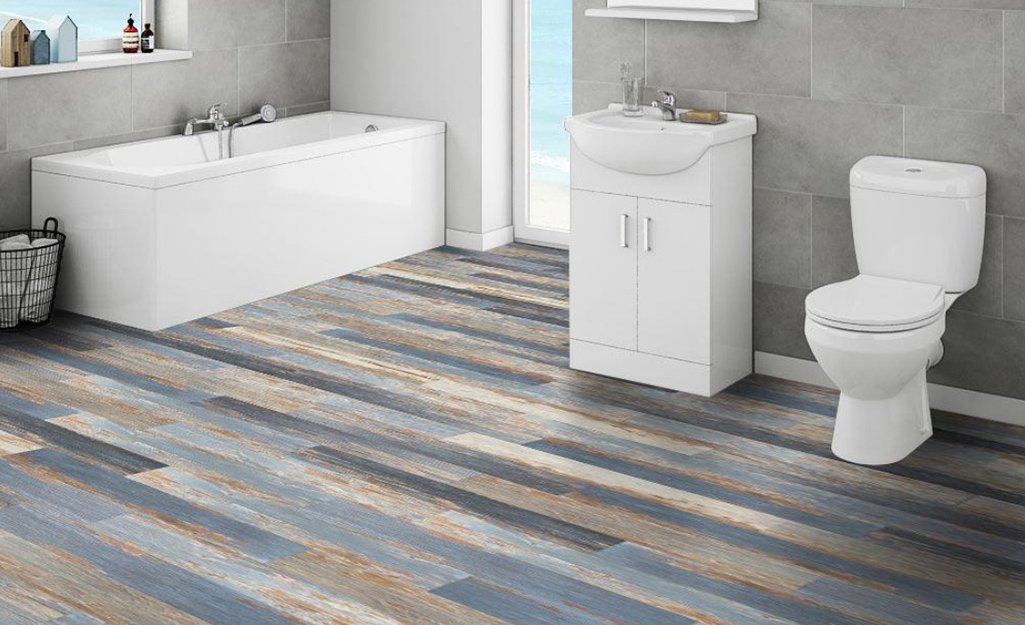
One of the standout features of epoxy flooring in bathrooms is its versatility in design. Homeowners can select from a wide palette of colors, incorporate patterns, or even mimic the look of stone or marble. Metallic and pearlescent finishes are also available for those seeking a unique, high-end appearance.
Epoxy can be tailored to suit any aesthetic, from sleek and modern to warm and traditional. For those who prefer a more understated look, neutral tones are available and can be explored further in the best neutral bathroom flooring colors resource.
Maintenance Tips for Long-Lasting Results
Maintaining an epoxy bathroom floor is straightforward:
- Sweep or vacuum regularly to remove dust and debris.
- Mop with a mild detergent and warm water; avoid harsh chemicals that can dull the finish.
- Wipe up spills promptly to prevent staining, especially from colored toiletries or cosmetics.
- Inspect for scratches or chips and address them with a touch-up kit if needed.
With proper care, epoxy can maintain its shine and integrity for many years, making it a smart investment for busy households.
Potential Drawbacks to Consider
While epoxy offers many advantages, it’s important to be aware of a few limitations:
- Cold Underfoot: Like tile, epoxy can feel cool, especially in winter. Area rugs or radiant heating can help offset this.
- Professional Installation Recommended: Achieving a flawless, waterproof finish requires skill and experience.
- Slipperiness: High-gloss finishes may be slippery when wet, but slip-resistant additives are available.
- Permanent Finish: Removing or changing an epoxy floor can be labor-intensive compared to floating floors or tiles.
For small bathrooms, creative flooring solutions can be explored in this guide to transforming tiny spaces.
Frequently Asked Questions
Is epoxy flooring safe for bathrooms with children or elderly residents?
Yes, when slip-resistant additives are included in the finish, epoxy provides a safe surface for all ages. It’s important to request a non-slip texture during installation, especially in homes with young children or seniors.
How long does epoxy flooring last in a bathroom?
With proper care and professional installation, epoxy can last 10–20 years or more. Its longevity often surpasses many traditional bathroom flooring materials, especially in high-moisture environments.
Can I install epoxy over existing tiles?
In many cases, yes. The existing tiles must be thoroughly cleaned, degreased, and sometimes lightly abraded to ensure the epoxy adheres properly. However, any loose or damaged tiles should be repaired or replaced before application.
Does epoxy flooring stain or discolor over time?
Epoxy is highly resistant to stains and discoloration, especially when a UV-stable topcoat is used. However, harsh chemicals or prolonged exposure to sunlight can cause some yellowing, so it’s best to use gentle cleaners and consider window treatments if your bathroom receives direct sunlight.
Conclusion
Epoxy offers a blend of durability, waterproofing, and design flexibility that makes it an excellent choice for bathrooms. Its seamless, easy-to-clean surface and resistance to moisture and stains set it apart from many traditional options. By understanding the installation process, maintenance needs, and potential drawbacks, homeowners can confidently select epoxy for a bathroom floor that combines practicality with style.