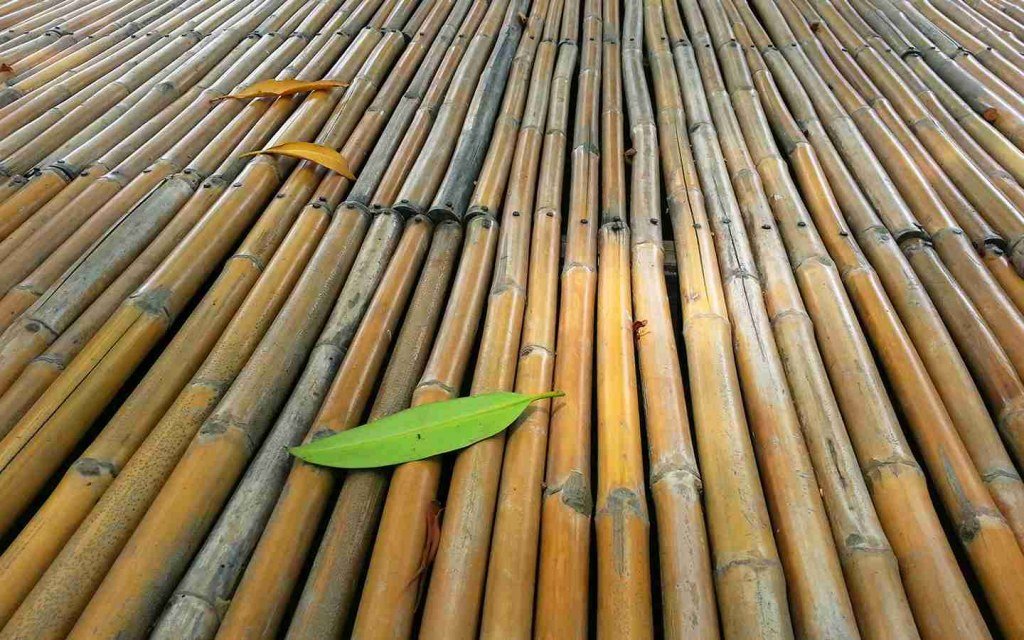
Choosing natural building materials for homes is gaining momentum among homeowners, architects, and builders who want to create healthier, more sustainable living environments. These materials, sourced directly from nature with minimal processing, offer a range of benefits—from improved indoor air quality to reduced environmental impact. As more people seek alternatives to conventional construction, understanding the options and advantages of natural materials becomes increasingly important.
Unlike synthetic or heavily processed components, natural options like wood, bamboo, straw, clay, and stone are renewable and often require less energy to produce. They can help lower a home’s carbon footprint and create spaces that are both beautiful and functional. For those interested in broader sustainable practices, exploring environmentally friendly construction methods can provide additional insights into green building strategies.
Why Choose Natural Materials for Residential Construction?
Opting for natural building materials in home construction is not just a trend—it’s a practical decision with lasting benefits. These materials are typically non-toxic, reducing the risk of indoor air pollution and associated health issues. They also tend to be more energy-efficient, providing better insulation and helping to regulate indoor temperatures naturally.
Some additional advantages include:
- Durability: Many natural materials, such as stone and hardwood, are known for their longevity and resilience.
- Biodegradability: At the end of their life cycle, these materials break down naturally, minimizing landfill waste.
- Thermal Performance: Materials like straw bale and clay offer excellent insulation, reducing heating and cooling costs.
- Aesthetic Appeal: Natural textures and colors create warm, inviting spaces that connect occupants to the environment.
For a deeper dive into the benefits of eco friendly building materials, you can explore how these choices positively impact both the planet and personal well-being.
Popular Types of Natural Building Materials for Homes
There is a broad spectrum of natural materials available for residential projects. Each offers unique properties and can be used in various parts of the home, from structural elements to finishes. Below are some of the most widely used options:
Bamboo: A Fast-Growing, Renewable Resource
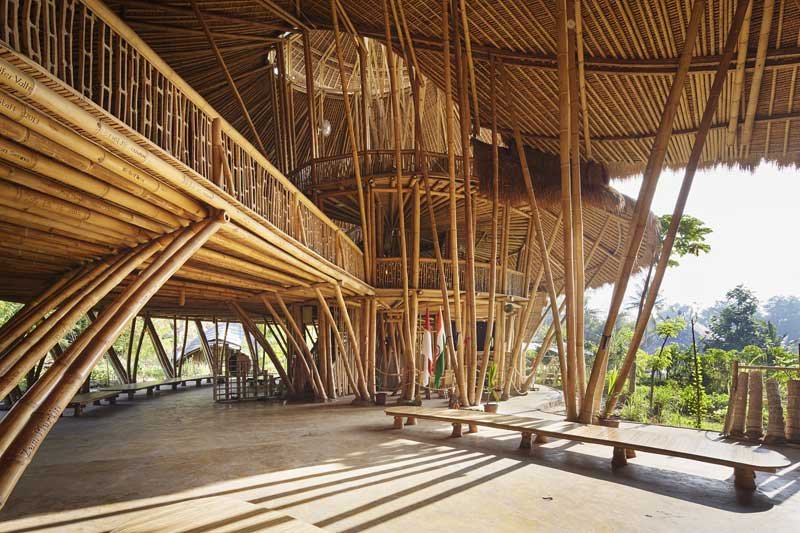
Bamboo is celebrated for its rapid growth and strength. It is used for flooring, wall panels, and even structural supports. Because it regenerates quickly, bamboo is considered one of the most sustainable choices for home building. Its natural resistance to pests and moisture also makes it suitable for a variety of climates.
Straw Bale: Excellent Insulation and Low Embodied Energy
Straw bale construction involves stacking bales of straw as building blocks for walls, which are then covered with plaster or clay. This method offers outstanding insulation, keeping homes cool in summer and warm in winter. Straw is a byproduct of grain production, making it an abundant and renewable resource. Homes built with straw bale walls are also known for their thick, quiet interiors and unique appearance.
Clay and Adobe: Traditional Techniques for Modern Homes
Clay and adobe have been used for centuries in various cultures. These materials are typically mixed with sand and straw to form bricks or applied as plaster. Clay walls regulate humidity naturally, contributing to healthier indoor air. Adobe homes are especially popular in arid regions, where their thermal mass helps maintain comfortable indoor temperatures year-round.
Natural Stone: Timeless Beauty and Strength
Stone is prized for its durability and timeless look. It can be used for foundations, walls, flooring, and decorative features. While quarrying stone does have an environmental impact, its longevity and minimal maintenance requirements make it a sustainable option when sourced responsibly. Stone also provides excellent thermal mass, helping to stabilize indoor temperatures.
Wood: Versatile and Renewable
Wood remains a staple in natural home construction. When harvested from sustainably managed forests, it’s a renewable resource that can be used for framing, siding, flooring, and cabinetry. Wood’s natural warmth and versatility make it a favorite for both modern and traditional designs. Engineered wood products, such as cross-laminated timber, are also gaining popularity for their strength and efficiency.
Insulation and Finishes: Enhancing Comfort and Efficiency
Beyond structural elements, natural materials can be used for insulation and interior finishes. Options like sheep’s wool, cellulose, and cork provide effective thermal and acoustic insulation. Clay and lime plasters are popular for walls and ceilings, offering breathability and a natural, matte finish. These choices help maintain a comfortable indoor environment while minimizing exposure to synthetic chemicals.
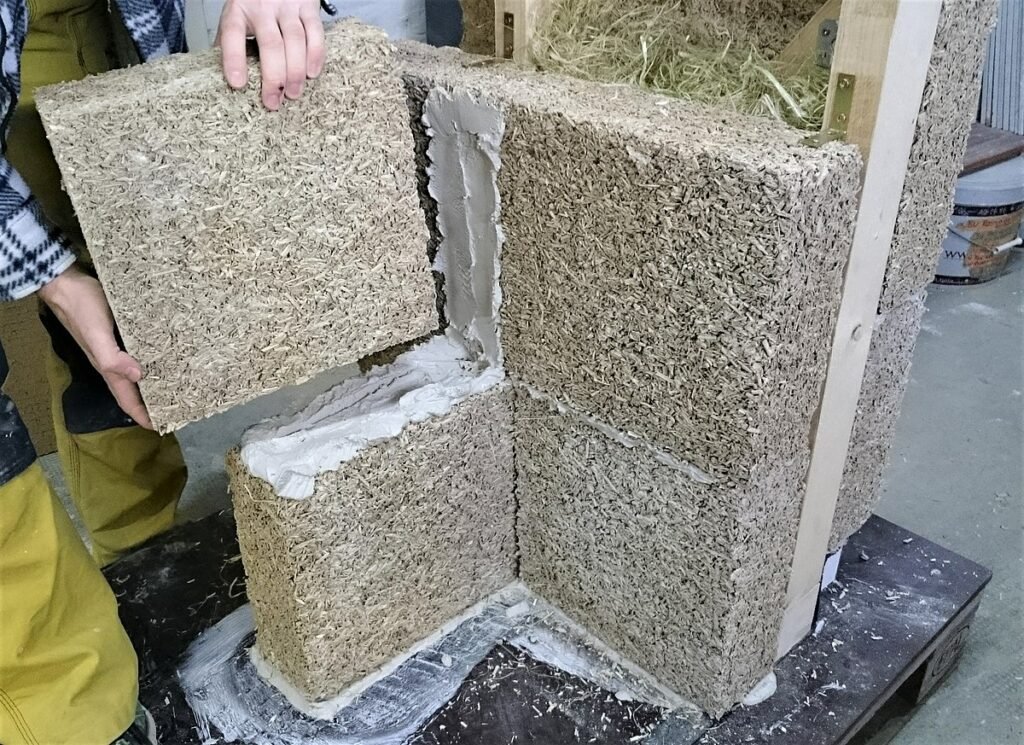
Comparing Natural and Conventional Building Materials
When evaluating options for home construction, it’s helpful to compare natural materials with conventional choices like concrete, steel, and synthetic insulation. While traditional materials can offer certain advantages in terms of cost and availability, they often come with higher embodied energy and may release harmful chemicals into the indoor environment.
| Material Type | Environmental Impact | Indoor Air Quality | Longevity |
|---|---|---|---|
| Bamboo | Low (renewable, fast-growing) | Excellent | High |
| Straw Bale | Very Low (agricultural byproduct) | Excellent | Moderate |
| Clay/Adobe | Low (natural, minimal processing) | Excellent | High |
| Stone | Moderate (quarrying impact) | Excellent | Very High |
| Concrete | High (energy-intensive) | Variable | High |
| Steel | High (energy-intensive) | Good | Very High |
For a comprehensive overview of sustainable options, visit the green building materials list to discover every essential for your project.
How to Source and Use Natural Materials Effectively
To maximize the benefits of natural materials, consider sourcing locally whenever possible. This reduces transportation emissions and supports regional economies. Work with suppliers who prioritize responsible harvesting and ethical labor practices. When planning your build, consult with architects or builders experienced in sustainable design to ensure proper installation and performance.
Many homeowners also combine natural materials with recycled construction materials examples to further reduce environmental impact and promote a circular economy in building practices.
Health and Environmental Benefits of Natural Home Construction
Building with natural materials can significantly improve indoor air quality by minimizing exposure to volatile organic compounds (VOCs) and other toxins commonly found in synthetic products. These materials are also less likely to harbor mold or allergens, contributing to a healthier living space. From an environmental perspective, using renewable and biodegradable resources helps conserve energy, reduce waste, and lower greenhouse gas emissions.
For more details on the advantages of eco-friendly construction materials, see this guide on how these choices benefit both homeowners and the planet.
FAQ: Common Questions About Natural Building Materials
Are natural materials more expensive than conventional options?
The cost of natural materials varies depending on location, availability, and the type of material chosen. While some, like locally sourced straw or clay, can be very affordable, others such as sustainably harvested hardwoods may be more expensive upfront. However, the long-term savings from improved energy efficiency and reduced maintenance often offset initial costs.
How do natural materials affect indoor air quality?
Natural materials are generally non-toxic and free from harmful chemicals, which helps maintain cleaner indoor air. Materials like clay, lime, and untreated wood do not emit VOCs, making them ideal for those with allergies or sensitivities.
Can natural materials be used in any climate?
Yes, but the suitability of each material depends on the local climate and building design. For example, adobe and straw bale work well in dry regions, while wood and stone are versatile in a range of environments. Consulting with local experts can help determine the best options for your area.
Conclusion: Building a Healthier, Greener Home
Integrating natural building materials for homes into your construction or renovation project is a practical way to create a healthier, more sustainable living environment. These materials offer durability, comfort, and a reduced ecological footprint. By making informed choices and working with experienced professionals, you can enjoy a home that is both beautiful and environmentally responsible. For more guidance on sustainable building, check out this guide to eco friendly construction materials and start your journey toward a greener future.