Adopting environmentally friendly construction methods is no longer just a trend—it’s a necessity for builders, architects, and homeowners who want to reduce their ecological footprint. These approaches focus on minimizing resource consumption, reducing waste, and creating healthier living and working environments. As the demand for sustainable solutions grows, understanding the most effective techniques and materials becomes essential for anyone involved in the building industry.
From using renewable resources to optimizing energy efficiency, green building practices can significantly lower the environmental impact of construction. This article explores practical strategies, innovative materials, and actionable steps for making your next project more sustainable. For a comprehensive overview of eco-conscious materials, see our guide on eco friendly construction materials.
Why Choose Sustainable Building Techniques?
The construction sector is responsible for a significant portion of global resource use and greenhouse gas emissions. By embracing eco-conscious construction techniques, builders can help conserve resources, reduce pollution, and create structures that are healthier for occupants. These methods also often lead to long-term cost savings through improved energy efficiency and lower maintenance requirements.
For those interested in the broader benefits and examples of sustainable materials, our article on what are sustainable construction materials provides valuable insights.
Key Principles of Green Construction
Environmentally responsible building is guided by several core principles:
- Resource Efficiency: Using materials and processes that minimize waste and maximize utility.
- Energy Conservation: Designing and constructing buildings to use less energy, both during construction and throughout their lifespan.
- Indoor Environmental Quality: Ensuring healthy air, lighting, and thermal comfort for occupants.
- Water Management: Reducing water usage and managing runoff effectively.
- Site Impact Reduction: Minimizing disruption to the natural environment and promoting biodiversity.
Innovative Materials for Sustainable Construction
Choosing the right materials is a cornerstone of environmentally friendly construction methods. Modern green projects often incorporate:
- Bamboo: A rapidly renewable resource that is strong, lightweight, and versatile.
- Recycled Steel: Reduces the need for new mining and is highly durable.
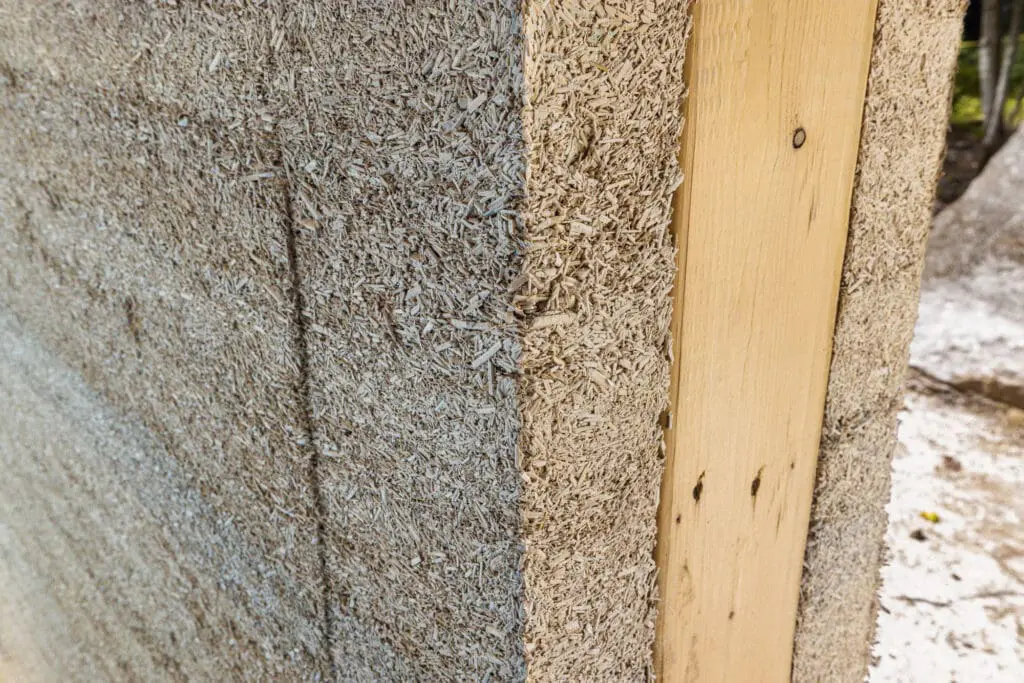
- Hempcrete: Made from hemp fibers and lime, offering excellent insulation and carbon sequestration.
- Reclaimed Wood: Gives new life to old materials and reduces demand for virgin lumber.
- Low-VOC Paints: Improve indoor air quality by minimizing harmful emissions.
For a curated overview of the most effective options, check our sustainable building materials resource.
Energy-Efficient Construction Practices
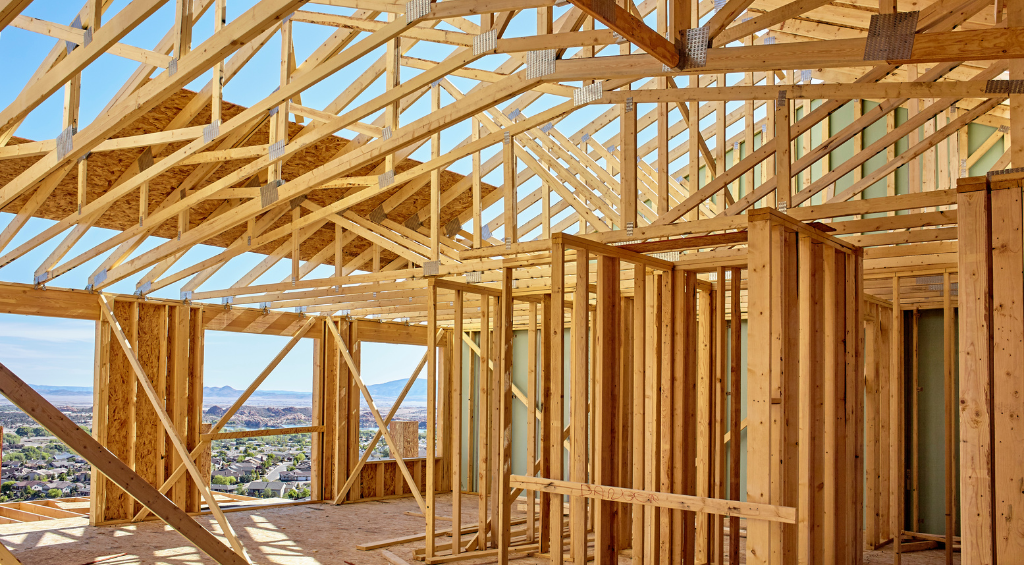
Reducing energy consumption is a fundamental goal of green building. Some of the most impactful strategies include:
- Passive Solar Design: Orienting buildings to maximize natural light and heat, reducing reliance on artificial heating and cooling.
- High-Performance Insulation: Using advanced materials like fiberglass rolls or hemp insulation to minimize heat transfer.
- Energy-Efficient Windows: Installing double- or triple-glazed windows to improve thermal performance.
- Cool Roofs: Reflecting more sunlight and absorbing less heat, which helps lower indoor temperatures.
To explore more about insulation and its role in sustainable building, our eco friendly materials for construction article offers further details.
Waste Reduction and Recycling on the Jobsite
A significant part of green construction is minimizing waste and maximizing reuse. Effective strategies include:
- On-Site Sorting: Separating recyclable materials like metal, wood, and concrete for proper disposal or reuse.
- Modular Construction: Prefabricated components reduce material waste and speed up assembly.
- Deconstruction: Carefully dismantling existing structures to salvage materials for future use.
- Composting: Organic waste from landscaping and site clearing can be composted instead of sent to landfill.
For a comprehensive checklist of green building supplies, see our green building materials list.
Water Conservation Strategies in Construction
Responsible water management is another pillar of sustainable building. Effective approaches include:
- Low-Flow Fixtures: Installing faucets, toilets, and showers that use less water without sacrificing performance.
- Rainwater Harvesting: Collecting and storing rainwater for irrigation or non-potable uses.
- Permeable Paving: Allowing rainwater to soak into the ground, reducing runoff and recharging groundwater.
- Native Landscaping: Using plants adapted to the local climate, which require less irrigation and maintenance.
Certifications and Standards for Green Building
To ensure best practices, many projects aim for third-party certifications such as LEED (Leadership in Energy and Environmental Design), BREEAM, or the Living Building Challenge. These frameworks provide guidelines for energy use, material selection, site impact, and occupant health. Achieving certification can also enhance property value and marketability.
For a deeper dive into the latest research on sustainable construction, see this peer-reviewed article on innovative green building methods.
Challenges and Future Trends in Eco-Conscious Construction
While the benefits are clear, implementing environmentally friendly construction methods can present challenges. These may include higher upfront costs, limited availability of certain materials, and the need for specialized expertise. However, as technology advances and demand increases, costs are decreasing and new solutions are emerging. Trends such as smart building systems, biophilic design, and circular construction are shaping the future of the industry.
Frequently Asked Questions
What are the main benefits of using green building techniques?
The primary advantages include reduced environmental impact, improved energy and water efficiency, healthier indoor environments, and long-term cost savings. Sustainable buildings also often have higher resale values and can qualify for tax incentives or certifications.
Are eco-friendly materials more expensive than traditional options?
Some sustainable materials may have higher initial costs, but they often lead to savings over time due to lower energy bills and reduced maintenance. As demand grows and technology improves, prices for many green materials are becoming more competitive with conventional options.
How can I make my construction project more sustainable?
Start by selecting renewable or recycled materials, optimizing energy and water use, and minimizing waste. Work with professionals experienced in green building, and consider aiming for recognized certifications to guide your project. For more ideas, explore our article on eco friendly construction materials.