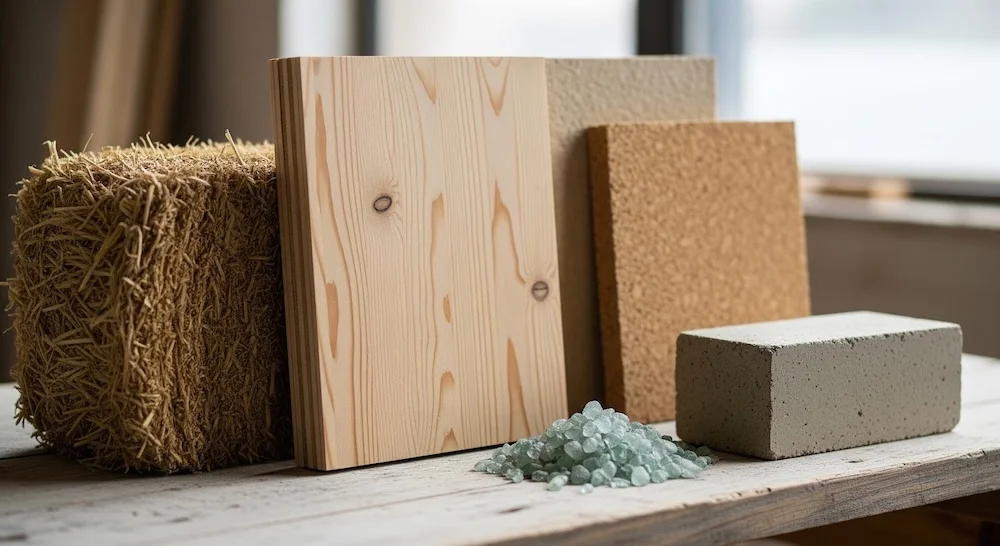
As the construction industry shifts toward sustainability, the use of recycled construction materials examples is becoming essential for reducing waste and environmental impact. Builders, architects, and homeowners are increasingly seeking ways to minimize landfill contributions and conserve natural resources. Embracing zero-waste building practices not only benefits the planet but can also lead to cost savings and innovative design possibilities.
This guide explores practical and widely used recycled materials in modern construction, offering inspiration for anyone interested in sustainable building. If you want to understand the benefits of eco friendly building materials and how they contribute to a greener future, you’ll find valuable insights throughout this article.
Why Choose Recycled Materials in Construction?
Choosing materials made from recycled content is a key strategy for achieving zero-waste goals in building projects. These products help divert waste from landfills, reduce the demand for virgin resources, and often require less energy to produce. Incorporating such materials can also contribute to green certifications and boost a building’s environmental credentials.
For those interested in a broader overview of sustainable options, the eco friendly construction materials guide covers additional alternatives and their environmental impacts.
Common Recycled Construction Materials Examples
There are many innovative and practical materials available today that are made from recycled content. Below are some of the most popular and effective options for zero-waste building:
Recycled Concrete Aggregate (RCA)
One of the most widely used recycled construction materials examples is recycled concrete aggregate. Old concrete from demolished structures is crushed and reused as aggregate in new concrete mixes, road bases, or fill. This process conserves natural stone resources and reduces construction waste.
- Applications: Foundations, road construction, pathways, and landscaping.
- Benefits: Reduces landfill waste, lowers material costs, and decreases the carbon footprint of new builds.
Reclaimed Wood
Salvaged wood from old buildings, barns, or industrial sites is a favorite among sustainable builders. Reclaimed timber can be used for structural framing, flooring, wall paneling, and decorative features. Each piece has unique character and history, adding warmth and authenticity to any project.
- Applications: Flooring, beams, cabinetry, and accent walls.
- Benefits: Preserves mature trees, reduces deforestation, and often provides superior durability compared to new lumber.
Recycled Steel and Metal
Steel is one of the most recycled materials worldwide. Scrap metal from cars, appliances, and demolished buildings is melted down and reformed into new beams, studs, and panels. Using recycled steel reduces mining impacts and energy consumption compared to producing new steel from ore.
- Applications: Structural frames, roofing, siding, and reinforcement bars.
- Benefits: High strength, durability, and a closed-loop recycling process.
Recycled Plastic Building Products
Plastic waste can be transformed into a variety of construction products, including composite lumber, insulation, roofing tiles, and bricks. These products are often lightweight, weather-resistant, and require little maintenance.
- Applications: Decking, fencing, insulation, and drainage pipes.
- Benefits: Diverts plastic from landfills and oceans, and offers durability in harsh conditions.
Recycled Glass in Construction
Crushed glass is used in concrete, tiles, countertops, and decorative panels. Recycled glass aggregate adds unique color and texture, and can improve the reflectivity of surfaces, reducing lighting needs inside buildings.
- Applications: Countertops, tiles, terrazzo flooring, and decorative facades.
- Benefits: Reduces sand mining, offers creative design options, and supports circular economy initiatives.
Innovative Sustainable Materials for Zero-Waste Projects
Beyond traditional recycled options, several innovative materials are gaining popularity for their sustainability and performance. These alternatives further support the shift toward zero-waste construction.
Hempcrete and Plant-Based Insulation
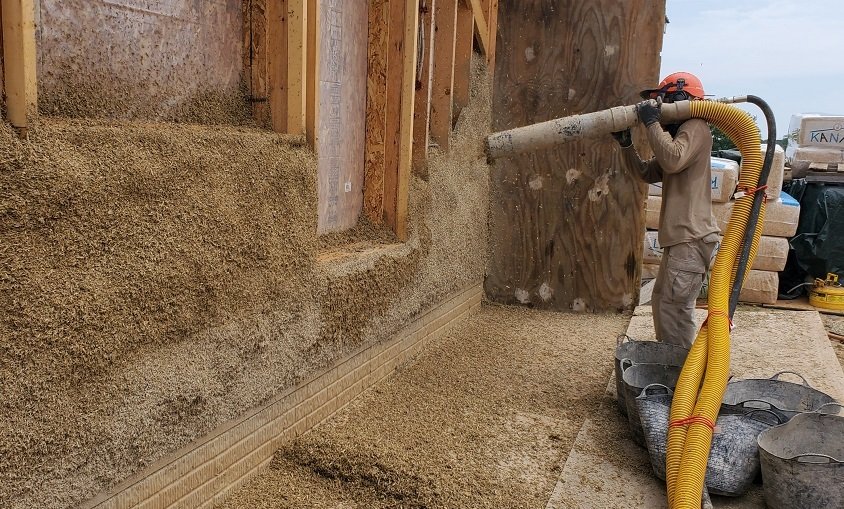
Hempcrete is a bio-composite material made from the inner fibers of the hemp plant mixed with lime. It is lightweight, insulating, and naturally resistant to mold and pests. Plant-based insulation, such as cellulose or recycled denim, also offers excellent thermal performance and is made from renewable or reclaimed sources.
Bamboo and Rapidly Renewable Materials
Bamboo is a fast-growing grass that can be harvested sustainably and used for flooring, paneling, and structural elements. It is strong, lightweight, and naturally resistant to pests. Other rapidly renewable materials, such as cork and straw bales, also offer eco-friendly alternatives for various building needs.
For a comprehensive overview of modern green materials, see the top sustainable building materials resource.
Recycled Gypsum and Drywall
Gypsum from demolished drywall can be processed and reused in new wallboard products. This reduces the need for mining new gypsum and prevents construction debris from ending up in landfills.
- Applications: Interior walls, ceilings, and partition systems.
- Benefits: Reduces waste, supports circular economy, and maintains the same performance as virgin materials.
How to Source and Specify Recycled Materials
When planning a zero-waste project, it’s important to verify the recycled content and certifications of materials. Look for suppliers who provide documentation on recycled percentages, sourcing practices, and environmental standards. Many products carry certifications such as Cradle to Cradle, GreenGuard, or FSC (for wood), which help ensure responsible sourcing and manufacturing.
Consulting resources like the green building materials list can help you identify reputable products and suppliers for your next project.
Challenges and Considerations
While the use of recycled materials offers many benefits, there are some challenges to consider. Availability may vary by region, and some products may have higher upfront costs or require specialized installation techniques. It’s also important to ensure that recycled products meet local building codes and performance standards.
Despite these challenges, the long-term environmental and economic advantages make recycled materials a smart choice for forward-thinking builders and homeowners.
Further Reading and Resources
To learn more about sustainable building practices and material choices, explore the following:
- What Are Sustainable Construction Materials? – Benefits and examples of eco-friendly options.
- Comprehensive guide to sustainable building materials – External resource for additional perspectives and case studies.
Frequently Asked Questions
What are the most common recycled materials used in construction?
The most common recycled materials include concrete aggregate, reclaimed wood, recycled steel, plastic composites, and glass. These materials are widely available and suitable for a variety of structural and decorative applications.
Are recycled construction materials as durable as new materials?
Yes, many recycled materials meet or exceed the performance of their virgin counterparts. For example, recycled steel and concrete aggregate offer comparable strength and durability, while reclaimed wood is often denser and more stable than new lumber.
How can I ensure the materials I choose are truly sustainable?
Look for certifications, supplier transparency, and documentation of recycled content. Consulting guides and lists focused on eco friendly construction materials can help you make informed decisions and avoid greenwashing.