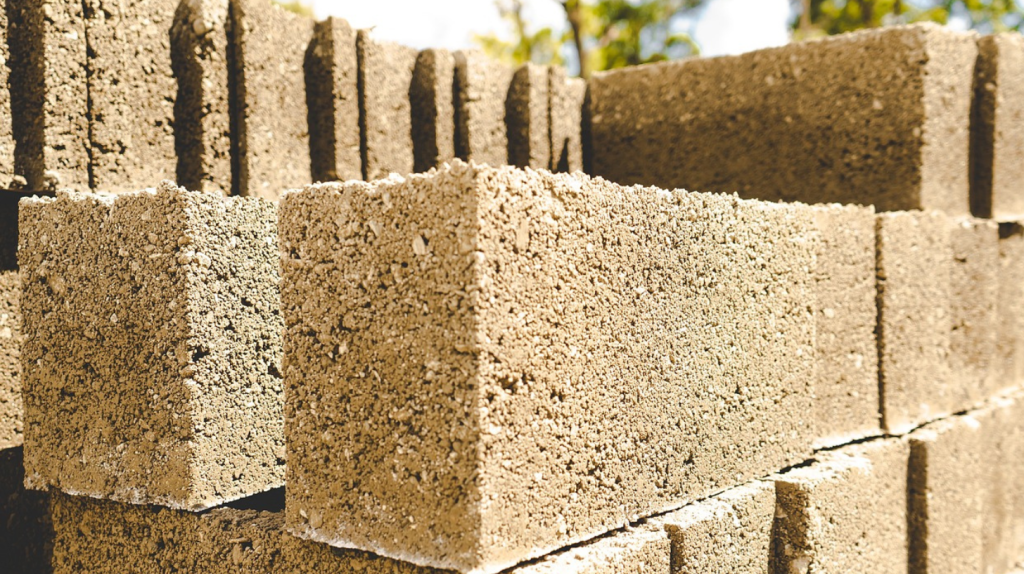
The construction industry is undergoing a transformation as sustainability becomes a top priority. Biodegradable building materials are emerging as a key solution for reducing the environmental impact of new structures. These materials, derived from natural sources and designed to break down harmlessly at the end of their life cycle, offer a promising path toward greener, healthier, and more responsible construction practices.
As architects, builders, and homeowners look for ways to minimize waste and carbon emissions, the use of renewable, compostable, and low-impact alternatives is gaining traction. Whether you are planning a new build or considering renovations, understanding the benefits and options for earth-friendly construction can help you make informed decisions that benefit both people and the planet.
For a deeper dive into practical strategies, see our guide on environmentally friendly construction methods and how they can be integrated into your next project.
What Makes a Building Material Biodegradable?
Not all green materials are created equal. The term “biodegradable” refers to substances that can be broken down by natural processes—such as bacteria, fungi, or other living organisms—into non-toxic components. In construction, this means materials that, after serving their purpose, will decompose without leaving harmful residues or contributing to landfill waste.
Common examples include products made from plant fibers, agricultural byproducts, and certain types of bio-based composites. These alternatives are often renewable, require less energy to produce, and can help reduce the overall ecological footprint of a building.
Popular Types of Biodegradable Building Materials
There is a growing range of options for those interested in sustainable construction. Here are some of the most widely used and innovative choices:
- Bamboo: Fast-growing and highly renewable, bamboo is used for flooring, paneling, and structural elements. Its strength rivals that of traditional hardwoods.
- Hempcrete: Made from hemp fibers mixed with lime, this lightweight concrete alternative offers excellent insulation and is fully compostable at the end of its life.
- Cork: Harvested from the bark of cork oak trees, this material is naturally antimicrobial, resilient, and suitable for flooring and wall coverings.
- Mycelium composites: Created from the root structure of fungi, mycelium-based panels and bricks are lightweight, fire-resistant, and break down naturally.
- Straw bale: Used as insulation or even as load-bearing walls, straw bales are renewable and provide excellent thermal performance.
- Recycled paper and cellulose: Often used as insulation, these materials are treated to resist pests and fire, yet remain biodegradable.
Benefits of Using Biodegradable Materials in Construction
Choosing materials that return safely to the earth offers a range of advantages:
- Reduced landfill waste: At the end of a building’s life, biodegradable components break down instead of persisting in dumpsites.
- Lower carbon footprint: Many of these products require less energy to manufacture and transport, helping to cut greenhouse gas emissions.
- Healthier indoor environments: Natural materials tend to emit fewer volatile organic compounds (VOCs), improving air quality for occupants.
- Renewability: Sourcing from rapidly replenishing plants or agricultural byproducts supports sustainable resource cycles.
- Support for local economies: Many biodegradable materials can be produced locally, reducing transportation impacts and supporting regional industries.
For more on the benefits of eco friendly building materials for the planet, check out our in-depth analysis.
Challenges and Considerations for Biodegradable Construction
While the advantages are clear, there are also some challenges to address:
- Durability and lifespan: Some natural materials may not last as long as synthetic alternatives in certain climates or applications.
- Building codes and standards: Not all regions have updated regulations to accommodate innovative green materials.
- Cost and availability: Depending on location, some options may be more expensive or harder to source than conventional products.
- Performance: It’s important to ensure that biodegradable products meet the structural and safety requirements of your project.
Despite these hurdles, ongoing research and advances in manufacturing are making it easier to incorporate sustainable solutions into mainstream construction.
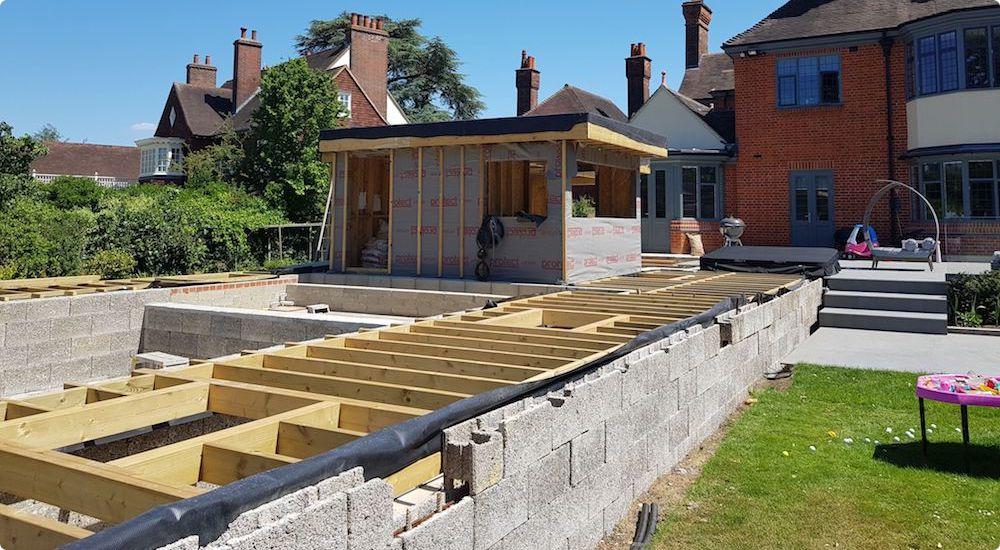
Innovative Examples of Eco-Friendly Materials
New technologies are expanding the possibilities for sustainable construction. Some notable innovations include:
- Ferrock: A concrete alternative made from recycled steel dust and silica, which absorbs carbon dioxide during curing.
- Bio-based plastics: Derived from corn starch, sugarcane, or other plants, these plastics are used for insulation, pipes, and even structural panels.
- Mycelium insulation: Lightweight and naturally fire-resistant, mycelium-based insulation panels are gaining popularity for their performance and compostability.
For more inspiration, see our overview of natural building materials for homes and how they contribute to healthier living spaces.
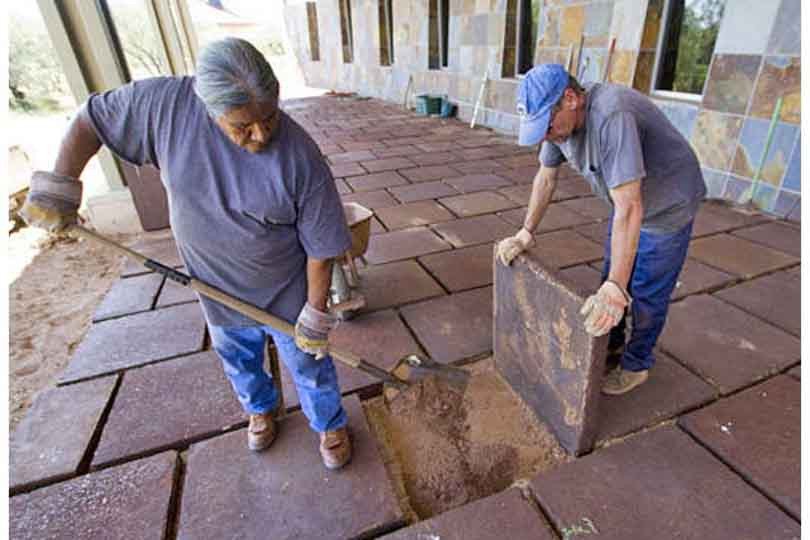
How to Choose the Right Green Materials for Your Project
Selecting the best sustainable options depends on your specific needs, budget, and local climate. Here are some tips to guide your decision:
- Research local suppliers to reduce transportation emissions and support regional businesses.
- Check for certifications such as FSC (Forest Stewardship Council) for wood or Cradle to Cradle for overall sustainability.
- Consider the full life cycle of the material, from sourcing and installation to disposal or composting.
- Consult with architects or builders experienced in green construction to ensure compatibility with your design.
- Balance cost with long-term savings from improved energy efficiency and reduced maintenance.
For more ideas on reducing your project’s environmental impact, see our resource on low carbon building materials and their benefits.
Looking Ahead: The Role of Biodegradable Materials in Sustainable Construction
The demand for eco-friendly solutions is driving rapid innovation in the building industry. As more companies and consumers recognize the importance of minimizing waste and pollution, the adoption of compostable and renewable products is expected to accelerate. Governments and industry organizations are also updating standards and incentives to encourage greener practices.
For a broader perspective on the latest advances, explore this comprehensive overview of sustainable building materials from leading experts.
Ultimately, choosing biodegradable options is not just about environmental responsibility—it’s about creating healthier, more resilient spaces for generations to come. As technology and awareness continue to grow, these materials will play an increasingly central role in shaping the future of construction.
Frequently Asked Questions
Are biodegradable building materials as durable as traditional options?
Many compostable products, such as bamboo and hempcrete, offer impressive strength and longevity. However, their durability can depend on factors like climate, installation, and maintenance. It’s important to match the material to the specific requirements of your project and consult with professionals experienced in sustainable construction.
Can biodegradable materials be used in all types of buildings?
These materials are suitable for a wide range of applications, from residential homes to commercial spaces. Some, like straw bale or mycelium panels, are best for insulation, while others, such as bamboo, can be used structurally. Always check local building codes and standards before specifying any new product.
How do biodegradable materials compare in cost to conventional products?
Costs can vary depending on the material, location, and availability. While some options may have a higher upfront price, they often provide long-term savings through energy efficiency and reduced waste disposal fees. As demand increases and production scales up, prices are expected to become more competitive.
What are some other ways to make construction projects more sustainable?
In addition to using compostable and renewable materials, consider incorporating recycled construction materials examples, optimizing energy efficiency, and minimizing water use. Thoughtful design and responsible sourcing can further reduce the environmental impact of any project.