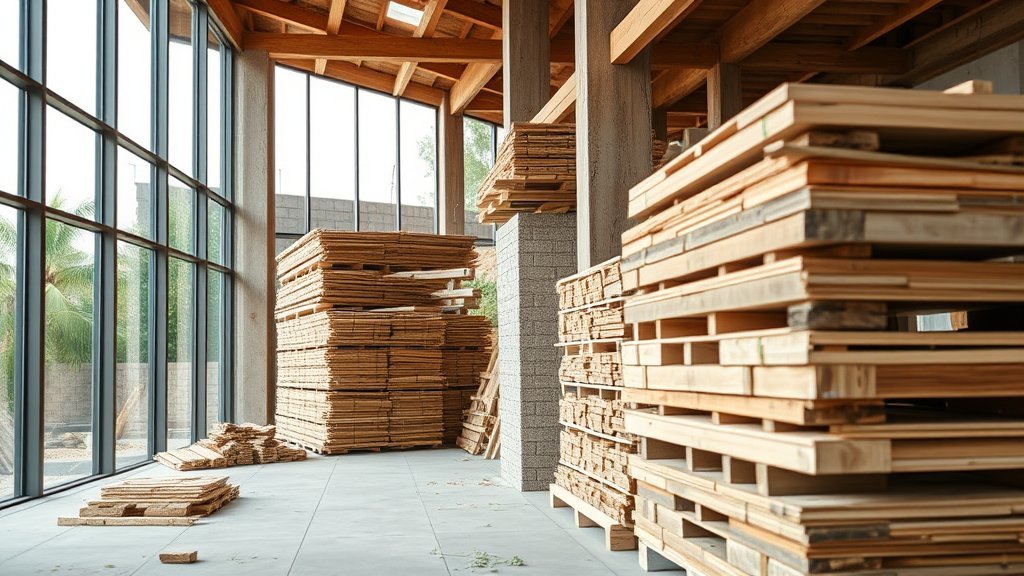
As the demand for sustainable and eco-friendly building solutions grows, bamboo construction materials advantages are gaining attention among architects, builders, and homeowners. Bamboo stands out as a renewable resource that combines impressive strength, flexibility, and a modern aesthetic. This article explores the unique benefits of bamboo in construction, how it compares to other green materials, and why it’s becoming a preferred choice for innovative projects.
For those interested in exploring more sustainable options, our guide on green concrete materials offers additional insights into eco-conscious building practices.
What Makes Bamboo a Standout Building Material?
Bamboo’s rapid growth and renewability make it a compelling alternative to traditional timber and steel. Unlike hardwood trees that can take decades to mature, bamboo reaches full height in just three to five years. Its natural ability to regenerate after harvesting means it can be sourced with minimal environmental impact.
The structural properties of bamboo are equally impressive. With a high strength-to-weight ratio, bamboo rivals steel in tensile strength and surpasses many hardwoods in compressive strength. This combination allows for lightweight yet durable construction, suitable for both residential and commercial applications.
Key Benefits of Using Bamboo in Construction
The advantages of bamboo construction materials extend beyond sustainability. Here are some of the most notable benefits:
- Renewable and Fast-Growing: Bamboo can be harvested every few years, reducing pressure on forests and supporting responsible sourcing.
- High Strength and Flexibility: Its unique cellular structure provides resilience against earthquakes and strong winds, making it ideal for disaster-prone regions.
- Lightweight: Easier to transport and handle on-site, reducing labor costs and construction time.
- Natural Aesthetics: Bamboo’s warm tones and sleek appearance bring a modern, organic feel to interiors and exteriors.
- Carbon Sequestration: Bamboo absorbs more carbon dioxide and releases more oxygen than many tree species, contributing to cleaner air.
- Versatility: Suitable for structural framing, flooring, wall panels, scaffolding, and decorative elements.
Comparing Bamboo to Other Eco-Friendly Materials
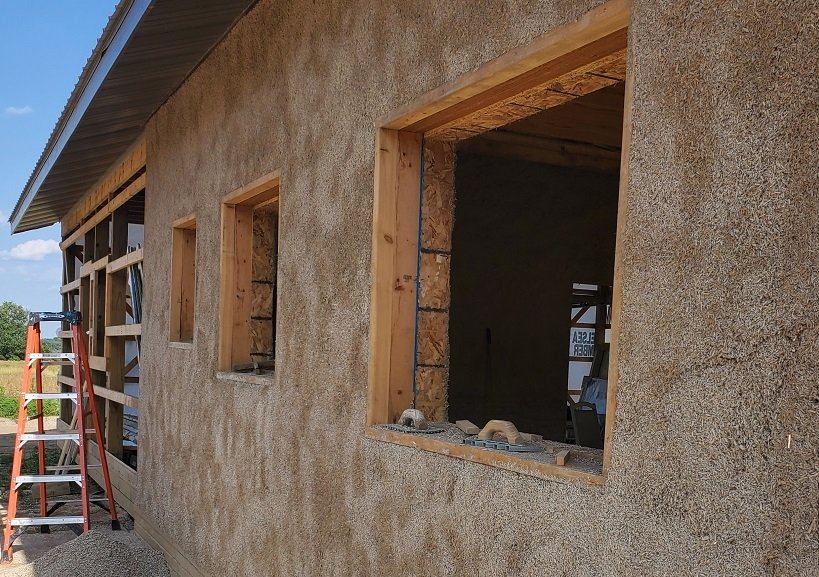
When evaluating bamboo construction materials advantages, it’s helpful to compare them to other sustainable options. For example, biodegradable building materials like straw bale and hempcrete also offer environmental benefits, but bamboo’s combination of strength, renewability, and design flexibility sets it apart.
In contrast to renewable construction materials such as cork or reclaimed wood, bamboo’s rapid growth cycle and ability to thrive in diverse climates make it one of the most accessible green materials globally. Its resistance to pests and moisture, when properly treated, further enhances its longevity compared to some biodegradable alternatives.
Applications of Bamboo in Modern Construction
Bamboo’s versatility allows it to be used in a wide range of construction projects. Some common applications include:
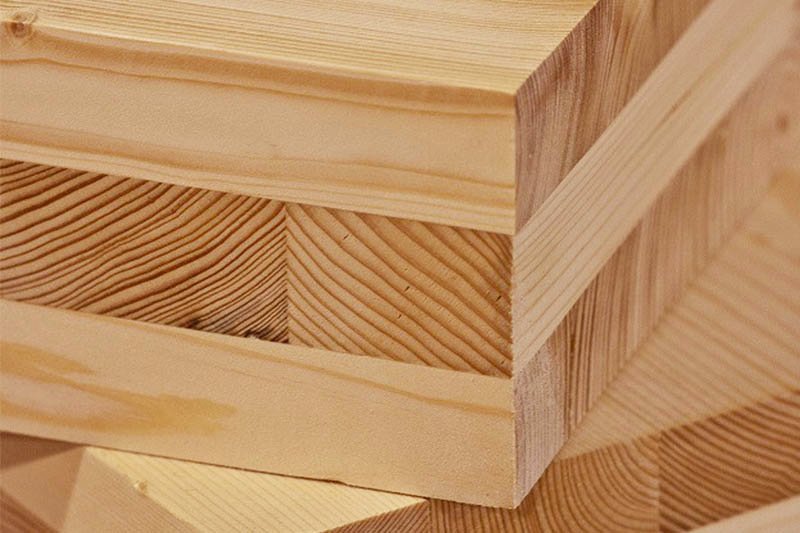
- Structural Framework: Bamboo poles and engineered bamboo beams are used for framing houses, bridges, and pavilions.
- Flooring and Wall Panels: Processed bamboo boards provide a durable, stylish alternative to hardwood flooring and wall coverings.
- Scaffolding: In many Asian countries, bamboo scaffolding is preferred for its strength, flexibility, and cost-effectiveness.
- Decorative Elements: Bamboo can be crafted into furniture, ceilings, and screens, adding a natural touch to interiors.
For those interested in exploring other innovative materials, our article on sustainable concrete alternatives discusses additional options for eco-friendly construction.
Environmental Impact and Sustainability
One of the most significant bamboo construction materials advantages is its positive environmental impact. Bamboo plantations require minimal fertilizers and pesticides, and their dense root systems help prevent soil erosion. When managed responsibly, bamboo harvesting supports biodiversity and provides economic opportunities for local communities.
Bamboo’s ability to sequester carbon makes it a valuable tool in combating climate change. According to research, bamboo can absorb up to 12 tons of carbon dioxide per hectare annually, making it more effective than many tree species in reducing greenhouse gases.
Challenges and Considerations When Using Bamboo
While bamboo offers many benefits, there are important factors to consider before choosing it for a project:
- Proper Treatment: Untreated bamboo is susceptible to insects and moisture. Modern preservation techniques, such as boron treatment, are essential for durability.
- Building Codes: In some regions, regulations may not fully recognize bamboo as a structural material. It’s important to consult local codes and work with experienced professionals.
- Quality Control: Not all bamboo is created equal. Sourcing from reputable suppliers ensures consistent quality and performance.
- Skill Requirements: Working with bamboo requires specialized knowledge and tools, particularly for engineered bamboo products.
For a broader look at eco-friendly options, see our resource on eco friendly cement alternatives to further reduce your project’s carbon footprint.
Design Flexibility and Aesthetic Appeal
One of the most celebrated aspects of bamboo is its visual appeal. Its natural grain, warm hues, and ability to be shaped into curves or straight lines make it a favorite among designers seeking a blend of tradition and modernity. Bamboo can be left exposed for a rustic look or finished for a sleek, contemporary style.
Whether used for flooring, wall cladding, or furniture, bamboo brings a sense of harmony and connection to nature. Its adaptability allows it to complement a wide range of architectural styles, from minimalist urban lofts to tropical resorts.
Cost and Accessibility of Bamboo Materials
The affordability of bamboo varies by region and product type. In areas where bamboo is abundant, it is often less expensive than hardwoods or steel. Engineered bamboo products, such as laminated beams or flooring, may carry a higher upfront cost but offer long-term savings due to their durability and low maintenance requirements.
As global interest in sustainable building grows, more suppliers are offering certified bamboo products that meet international standards. This increased availability is making it easier for builders and homeowners to incorporate bamboo into their projects.
Further Reading and Resources
To learn more about the environmental and practical benefits of green building, explore this comprehensive overview of eco-friendly construction materials.
Frequently Asked Questions
Is bamboo stronger than traditional wood?
Bamboo has a higher tensile strength than many types of wood and even some steels. Its strength-to-weight ratio makes it ideal for structural applications, provided it is properly treated and maintained.
How long does bamboo last in construction?
When treated against pests and moisture, bamboo can last 30 years or more in structural applications. Engineered bamboo products often have warranties similar to hardwoods.
Is bamboo suitable for all climates?
Bamboo performs well in many climates, but it requires proper treatment in humid or termite-prone areas. Consulting with local experts ensures the best results for your specific environment.
Can bamboo be used in combination with other green materials?
Absolutely. Bamboo pairs well with other sustainable options like recycled steel, hempcrete, and biodegradable building materials for projects that prioritize both strength and environmental responsibility.